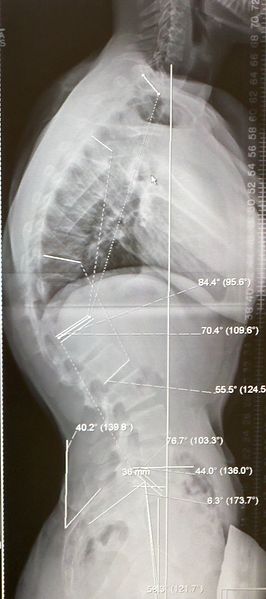
Mnemonic: Remember “S” for Scheurmann Structural kyphosis (sagittal deformity) of thoracic or thoracolumbar spine Skeletally immature sons (0.4-10% of adolescents between 10-14 years; onset with prepubertal growth spurt; M:F = 2-7:1) Strong hereditary (genetic) predisposition and Several theories: Scheurmann’s vertebral epiphyseal disturbance theory Schmorl’s nodes (herniation of disc material into…
Tag: Orthopedics
Section Editor: Dr. Sulabh Kumar Shrestha, MBBS, PGY1 Orthopedics
PGMEE, MRCS, USMLE, MBBS, MD/MS
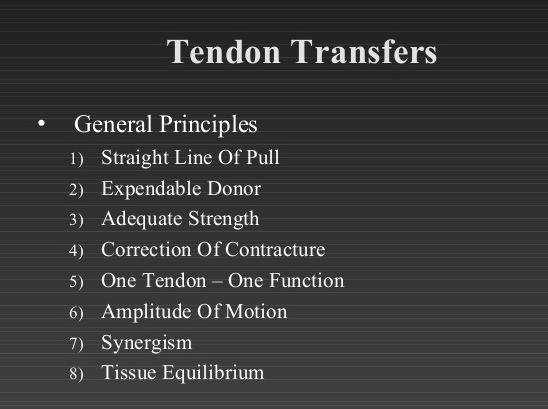
Tendon Transfer Principles : Mnemonic
Tendon transfer is the use of the power of a functioning muscle unit to activate a non-functioning nerve/muscle/tendon unit. The transferred tendon remains attached to its parent muscle with an intact neurovascular pedicle. Mnemonic: SEACOAST-1 a. Synergistic: act together to produce a single composite movement (facilitate each other). e.g. b….
PGMEE, MRCS, USMLE, MBBS, MD/MS
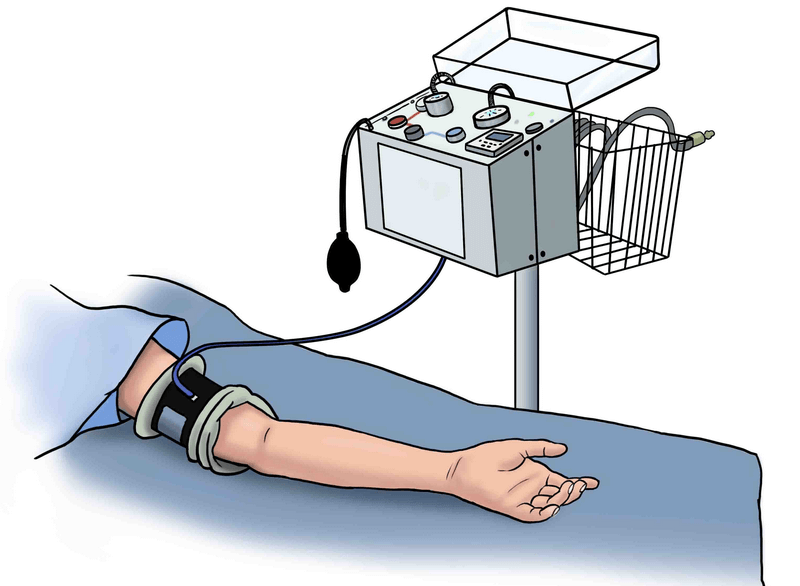
Tourniquet Paralysis Syndrome
Synonym: Pressure paralysis Mechanism: Direct extrinsic pressure (displacement of ranvier node) or axonal hypoxia on the nerves beneath the tourniquet and are related to the cuff pressure and duration of application.\ It is different from post tourniquet syndrome which caused due to combined effect of muscle ischemia, edema and microvascular…
PGMEE, MRCS, USMLE, MBBS, MD/MS
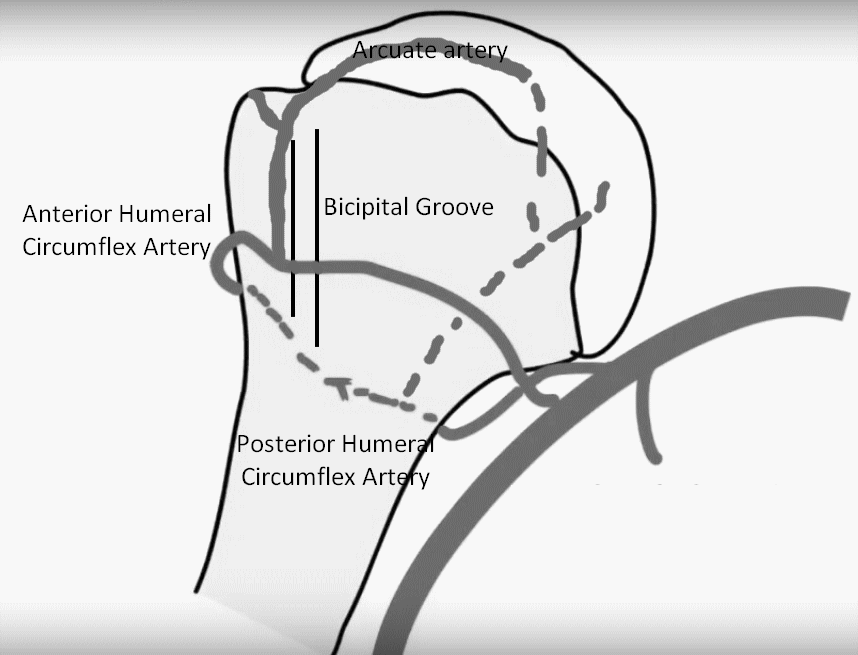
Blood Supply of Humeral Head
Anterior Humeral Circumflex Artery (AHCA) Origin: Axillary artery Course: Along the inferior border of subscapularis Gives anterolateral ascending branch which courses along lateral aspect of bicipital groove entering the humeral head and becoming arcuate artery Continues posterolaterally to anastomose with Posterior Humeral Circumflex Artery (PHCA) Posterior Humeral Circumflex Artery (PHCA)…
PGMEE, MRCS, USMLE, MBBS, MD/MS

Paraplegia in Extension and Flexion
Paraplegia in extension and paraplegia in flexion occur only after the spinal shock has ceased. Paraplegia in extension indicates an increase in the extensor muscle tone owing to the overactivity of gamma efferent nerve fibers to muscle spindles as the result of the release of these neurons from the higher…
PGMEE, MRCS, USMLE, MBBS, MD/MS
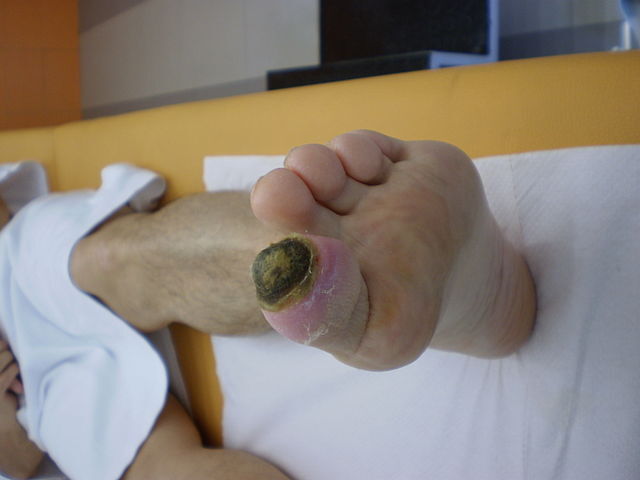
Diabetic Foot Management : Mnemonic Approach
Definition of Diabetic foot According to the WHO and International Working Group on the Diabetic Foot (IWGDF), diabetic foot is defined as the foot of diabetic patients with ulceration, infection and/or destruction of the deep tissues, associated with neuropathy and/or peripheral artery disease in the lower extremity of a person…
PGMEE, MRCS, USMLE, MBBS, MD/MS
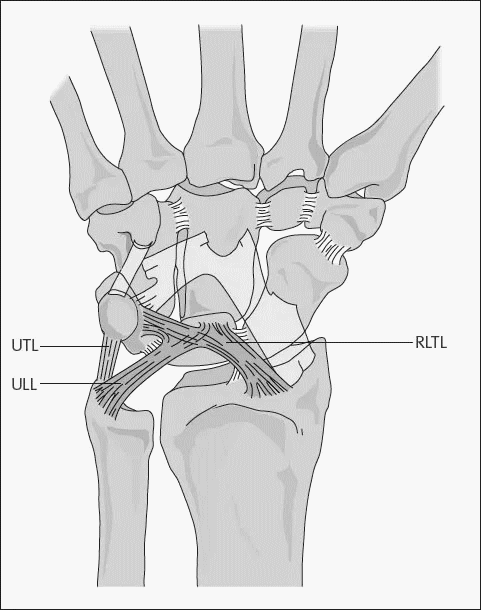
Wrist Ligaments
a. Interosseous: Extend deeply, directly between two bones Radioscapholunate (RSL) aka Ligament of Testut (neurovascular conduit to SL ligament) Scapholunate (SL) and Lunotriquetral (UL) – volar, dorsal and proximal fibrocartilaginous membrane components Capitohamate (CH) b. Palmar-proximal V: Converge as an “upside-down V” from the radius/ulna to lunate Radio-luno-triquetral (RLT) –…
PGMEE, MRCS, USMLE, MBBS, MD/MS
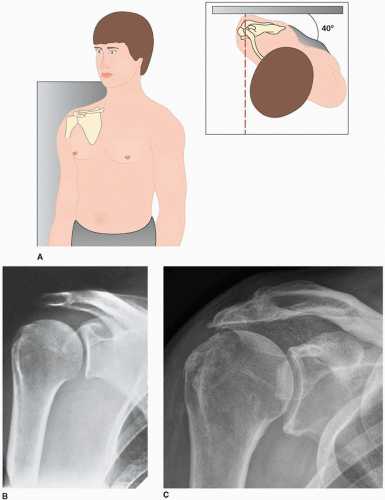
Shoulder X-ray views
Shoulder X-ray views AP Shoulder: in plane of thorax AP in plane of scapula: Angled 45 degrees lateral Scapular Y lateral: Erect with opposite shoulder rotated 40 degrees out and beam centered on spine of scapula (shoulder dislocations and scapula fractures) Supraspinatus outlet view: Scapular Y view with beam caudally…