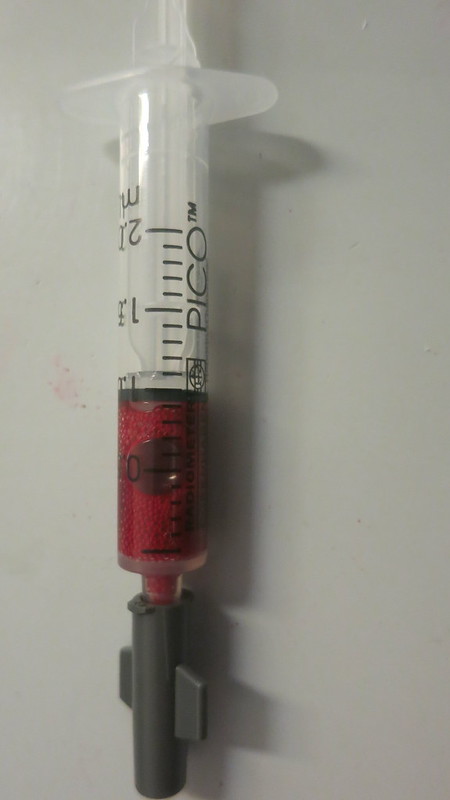
Normal values Step 1: pH Step 2: pCO2 Step 3: HCO3- Step 4: Determine compensation If there is metabolic acidosis or alkalosis, determine if there is appropriate respiratory compensation: No respiratory compensation: Expected pCO2 = Measured pCO2 Respiratory compensation: Expected pCO2 ≠ Measure pCO2 Step 5: Delta ratio ΔAG /…
Tag: Anesthesia
Emergency Medicine
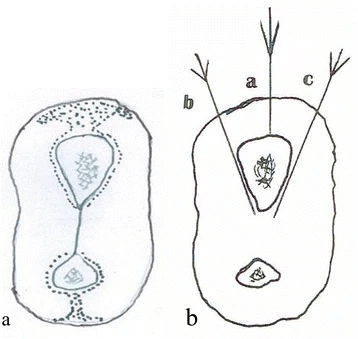
Circumferential Periosteal Block (CPB)
Use: Alternative to hematoma block in reduction of distal radius and ulna fractures Advantage: Providing distance from the fracture hematoma (no theoretical risk of converting closed fracture into open fracture) Disadvantage: Risk of neurovascular injury on volar surface of forearm Local anesthetic and volume: 10–15 ml of 1 % plain lidocaine…
PGMEE, MRCS, USMLE, MBBS, MD/MS
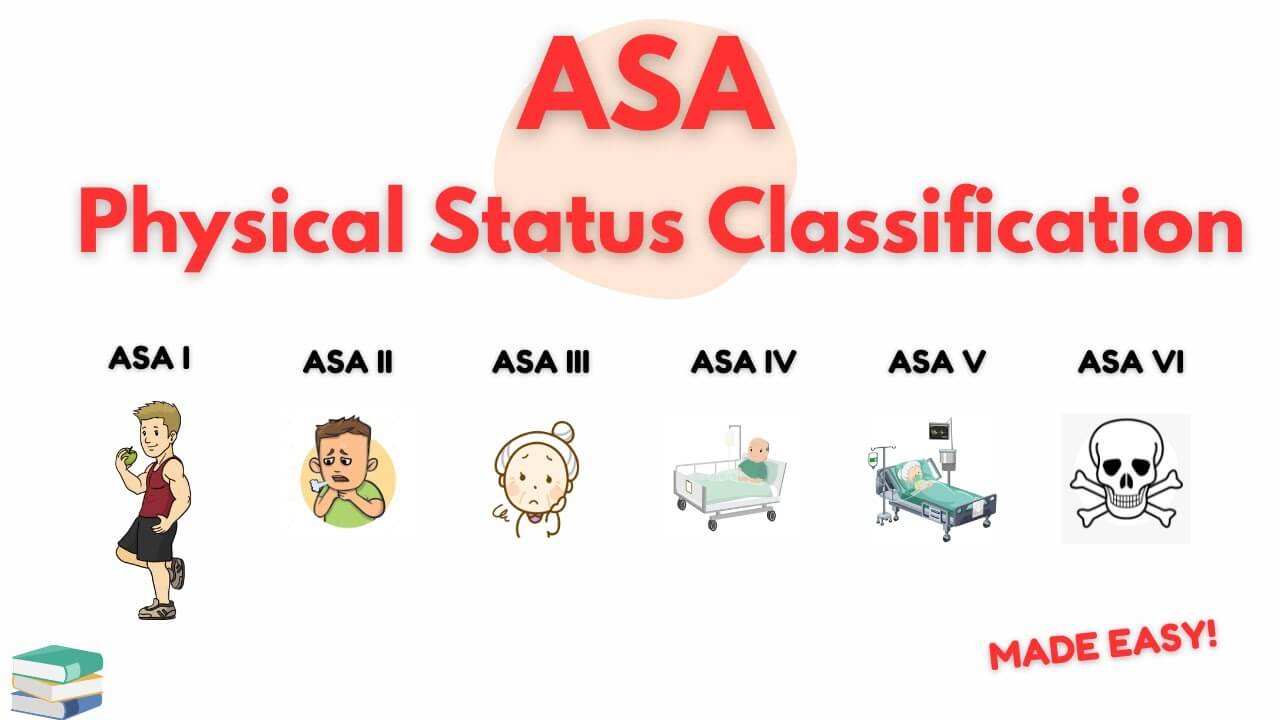
ASA Classification: Made Easy
The purpose of the system is to assess and communicate a patient’s pre-anesthesia medical co-morbidities. The classification system alone does not predict the perioperative risks, but used with other factors (e.g., type of surgery, frailty, level of deconditioning), it can be helpful in predicting perioperative risks. ASA grade Definition Mortality…
PGMEE, MRCS, USMLE, MBBS, MD/MS
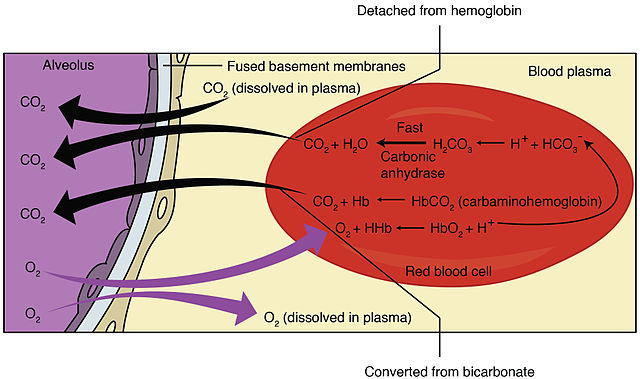
Bohr and Haldane Effect : Mnemonics
Haldane effect Mnemonic: HALD Bohr Effect Mnemonic: BOHR
PGMEE, MRCS, USMLE, MBBS, MD/MS
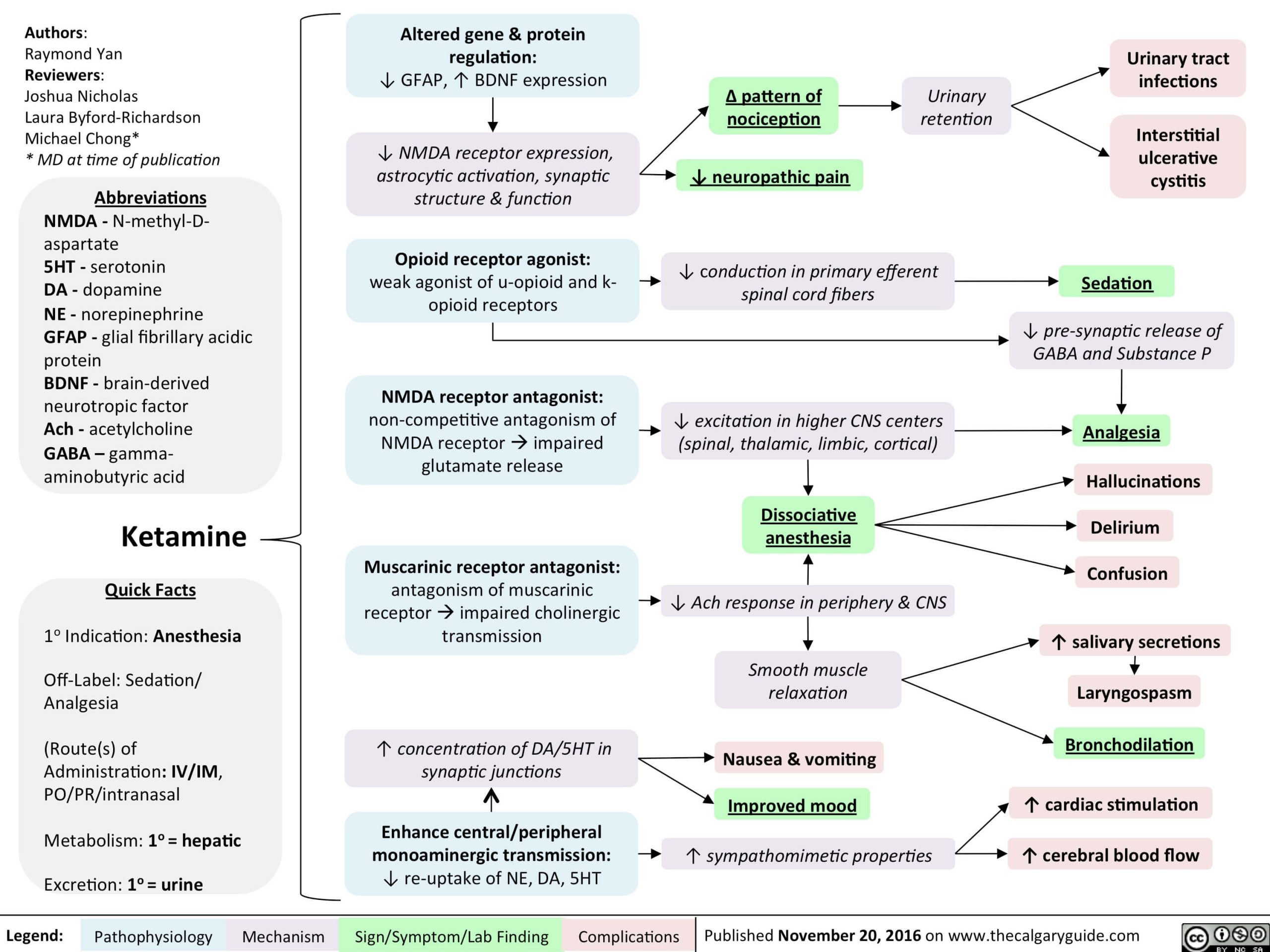
Ketamine : Mnemonic
K: Kids (Induction agent of choice in children) E: Emergence reaction (floating sensations, vivid dreams and hallucination; reduced using benzodiazepines), Enantiomers (S-Ketamine and R-Ketamine) T: Thalamo-cortical dissociation with limbic system causing dissociative anesthesia A: Analgesic, Amnesic, Antidepressant, All routes (IV, IM, PO, Intranasal, Epidural, Intrathecal) M: Meals – can be…
Emergency Medicine
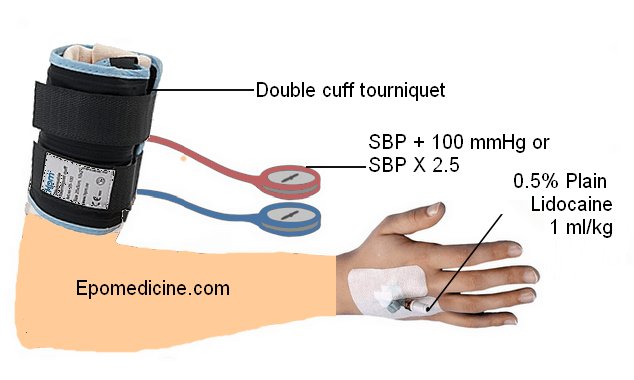
Bier Block
Named after: German Surgeon August Bier (first introduced the block in 1908) Definition: It is a peripheral intravenous local anesthetic block (IVRA; Intravenous Regional Anesthesia) of the upper limb using a pneumatic cuff technique Mechanism of action: Local anesthesia diffuses into the small veins surrounding the nerves and then into…
PGMEE, MRCS, USMLE, MBBS, MD/MS
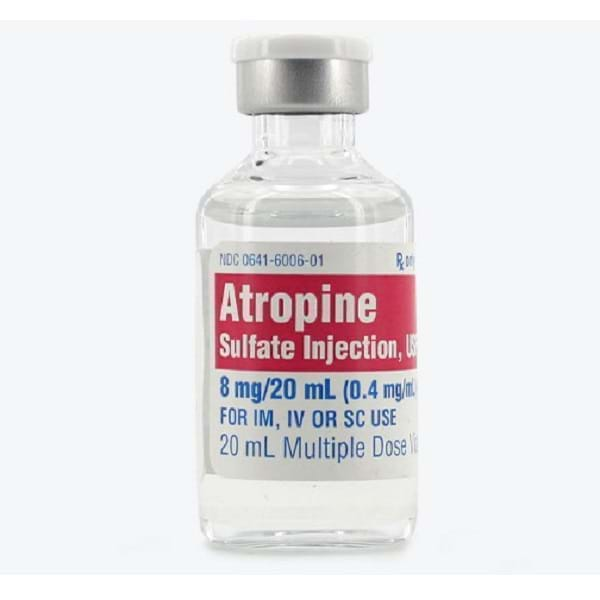
Atropine Induced Paradoxical Bradycardia
Atropine induced paradoxical bradycardia is the sinus bradyarrhythmia following low-dose atropine resulting from the paradoxical slowing in the sinoatrial (SA) node discharge rate. Mechanism of Atropine Induced Paradoxical Bradycardia Central vagotonic effect (blocking M1 acetylcholine receptors in parasympathetic ganglion controlling SA node) of atropine which, at higher doses, is masked…
PGMEE, MRCS, USMLE, MBBS, MD/MS
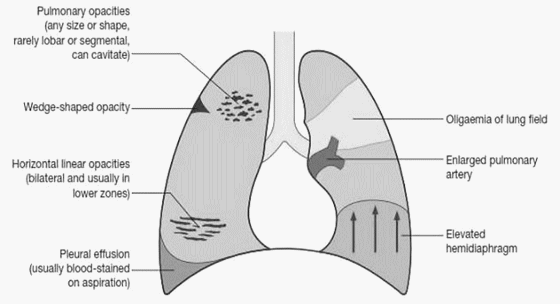
Perioperative Management of Venous thromboembolism (VTE)
Recommended duration of anticoagulant prophylaxis The recommendations are as follows: 1. Provoked DVT (with reversible surgical or nonsurgical provoking factor): 3 months 2. Unprovoked isolated distal DVT (has low risk of recurrence): 3 months 3. Unprovoked proximal DVT or PE: Indefinite therapy if D-dimer positive after 1 month after 3 months of therapy or second VTE…