Skip to content
Epomedicine

Mnemonics, Simplified Concepts & Thoughts

Epomedicine

Mnemonics, Simplified Concepts & Thoughts

Bohr and Haldane Effect : Mnemonics

Epomedicine, May 23, 2023May 23, 2023

Haldane effect

Mnemonic: HALD

  1. Haldane effect
  2. when blood reaches Alveoli
  3. Left shift of oxygen hemoglobin dissociation curve due to –
  4. Decarboxylation of hemoglobin (oxygen displaces carbon dioxide which is expired)
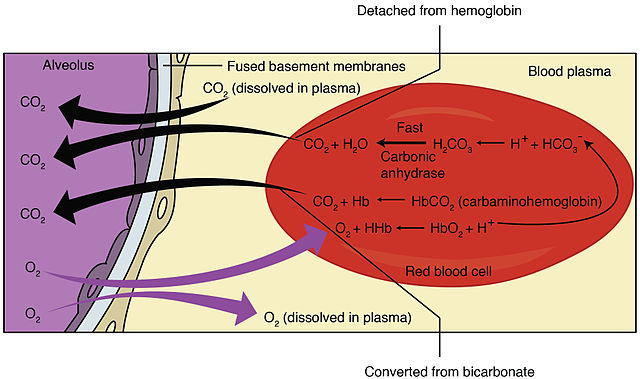
haldane effect
OpenStax College, CC BY 3.0, via Wikimedia Commons

Bohr Effect

Mnemonic: BOHR

  1. Bohr effect
  2. when blood reaches Organs (tissues)
  3. Hydrogen ion (released from carbon dioxide) causes –
  4. Right shift of oxygen hemoglobin dissociation curve (oxygen is released from hemoglobin into tissues)
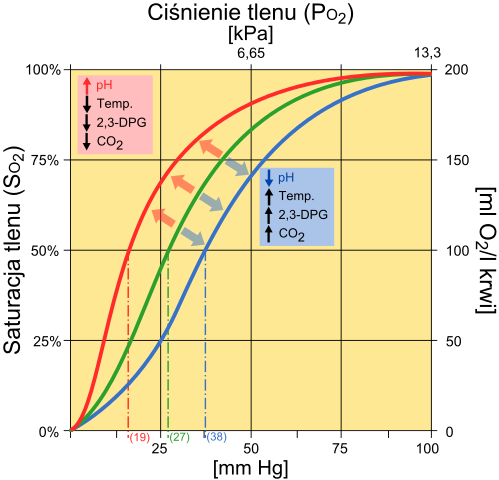
bohr effect
Michal Komorniczak ([email protected]), CC BY 3.0, via Wikimedia Commons
  • Facebook
  • Twitter
PGMEE, MRCS, USMLE, MBBS, MD/MS AnesthesiaPhysiology

Post navigation

Previous post
Next post

Related Posts

PGMEE, MRCS, USMLE, MBBS, MD/MS lateral brainstem syndrome

Anatomical basis of Wallenberg (Lateral Medullary) Syndrome : Mnemonic

Jan 21, 2016Oct 26, 2022

Before proceeding into the disease itself, let’s review – relevant anatomy of the medulla with a simple mnemonic. The Side (lateral) part of Medulla contains 6 “S“ 1. Spinocerebellar tract Posterior spinocerebellar tract: Ascends and enters to ipsilateral cerebellum via ipsilateral inferior cerebellar peduncle Anterior spinocerebellar tract: Ascends and enters…

Read More
PGMEE, MRCS, USMLE, MBBS, MD/MS

Atropine Induced Paradoxical Bradycardia

Jan 5, 2022Jan 5, 2022

Atropine induced paradoxical bradycardia is the sinus bradyarrhythmia following low-dose atropine resulting from the paradoxical slowing in the sinoatrial (SA) node discharge rate. Mechanism of Atropine Induced Paradoxical Bradycardia Central vagotonic effect (blocking M1 acetylcholine receptors in parasympathetic ganglion controlling SA node) of atropine which, at higher doses, is masked…

Read More
PGMEE, MRCS, USMLE, MBBS, MD/MS priming, precurarization and self-taming

Priming, Precurarization and Self taming

Oct 21, 2016

Priming Administration of a small sub-paralyzing dose of non-depolarizing muscular blocking agent (usually 10% of the intubating dose) is given 2-4 minutes before administering a 2nd large dose for tracheal intubation to accelerate the onset of non-depolarizing NM blockade by 30-60 seconds. Mechanism and Concept of Priming 2 theories have…

Read More

Leave a Reply Cancel reply

Your email address will not be published. Required fields are marked *

This site uses Akismet to reduce spam. Learn how your comment data is processed.

Pre-clinical (Basic Sciences)

Anatomy

Biochemistry

Community medicine (PSM)

Embryology

Microbiology

Pathology

Pharmacology

Physiology

Clinical Sciences

Anesthesia

Dermatology

Emergency medicine

Forensic

Internal medicine

Gynecology & Obstetrics

Oncology

Ophthalmology

Orthopedics

Otorhinolaryngology (ENT)

Pediatrics

Psychiatry

Radiology

Surgery

RSS Ask Epomedicine

  • What to study for Clinical examination in Orthopedics?
  • What is the mechanism of AVNRT?

Epomedicine weekly

  • About Epomedicine
  • Contact Us
  • Author Guidelines
  • Submit Article
  • Editorial Board
  • USMLE
  • MRCS
  • Thesis
©2026 Epomedicine | WordPress Theme by SuperbThemes