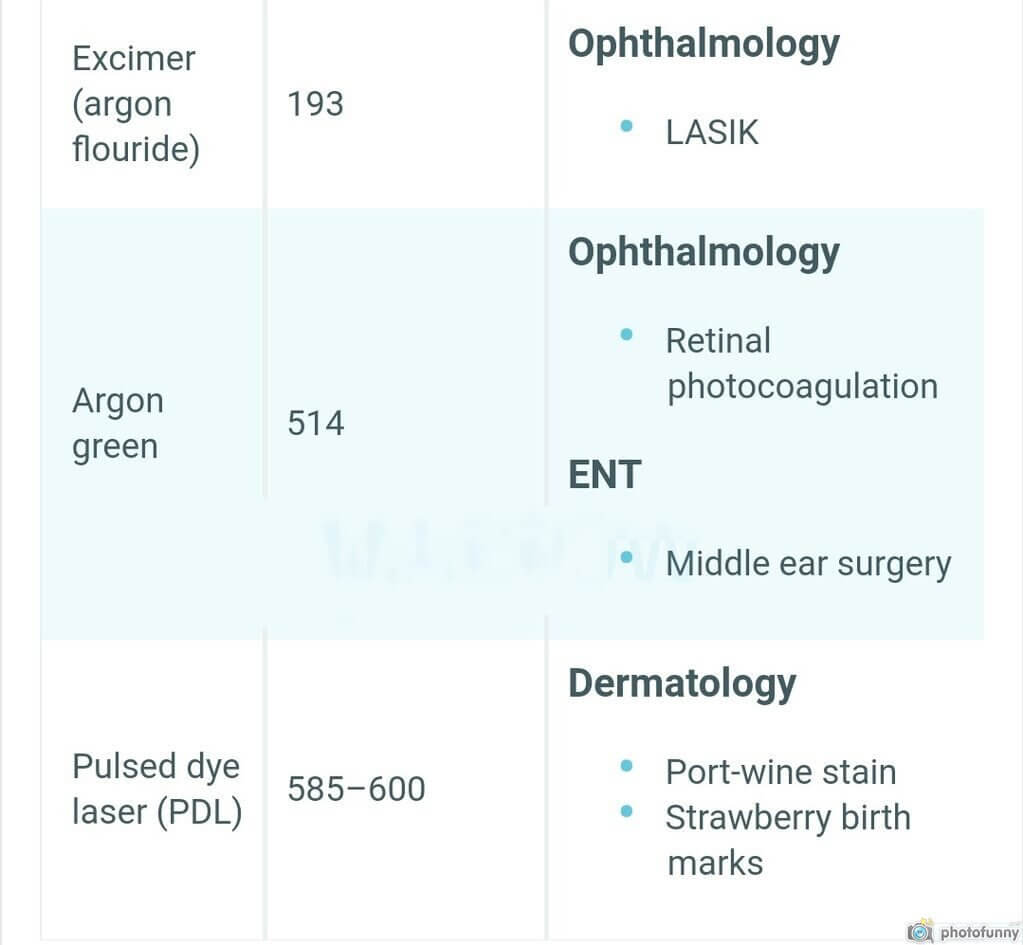
Order of decreasing wavelength Mnemonic: CHyNa PuRE The laser tissue interaction can be remembered in the reverse order using the mnemonic ACiDiTy. Carbon dioxide (CO2): 10600 (photoThermal) Holmium YAG: 2100 (photoDisruption) Nd:YAG: 1064 (photoDisruption) Pulsed dye laser: 585-600 (photoChemical) aRgon green: 514 (photoChemical) Excimer: 193 (photoAblation) Indications of Laser aRgon…
Category: PGMEE, MRCS, USMLE, MBBS, MD/MS
Medical knowledge in bullet points with understandable language, simplified images and graspable mnemonics.
PGMEE, MRCS, USMLE, MBBS, MD/MS
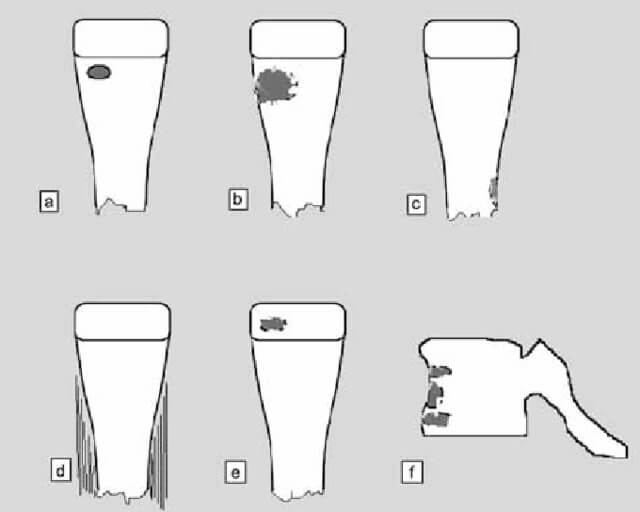
Definitions, Criteria and Classifications in Osteomyelitis
Morrey and Peterson’s Definition of Osteomyelitis Definite osteomyelitis: Positive bone or adjacent soft tissue culture or histologic evidence Probable osteomyelitis: Positive blood culture + Clinical & radiological evidence of osteomyelitis Likely osteomyelitis: Typical clinical and radiographic features of osteomyelitis responding to antibiotic therapy (in absence of positive culture) Peltola and…
PGMEE, MRCS, USMLE, MBBS, MD/MS
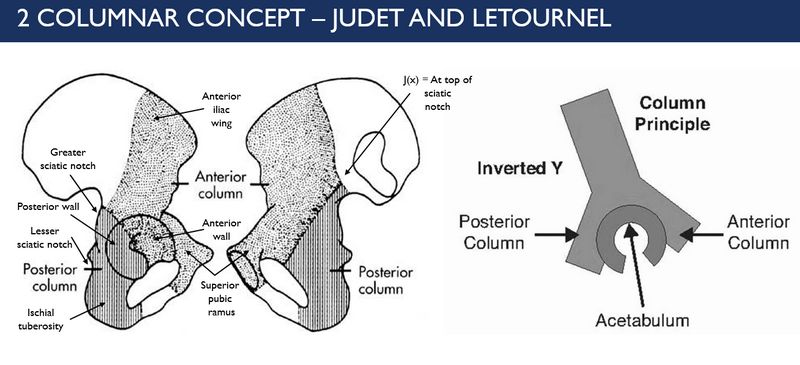
Column Concept of Acetabulum
2 Column Concept or Principle of Acetabulum (Letournel and Judet) According to this concept, “C” shaped acetabular structure is contained between the limbs of lamda [λ] or inverted “y”. The longer limb represents anterior column and the shorter limb represents the posterior column. The anterior and posterior walls are extensions…
PGMEE, MRCS, USMLE, MBBS, MD/MS
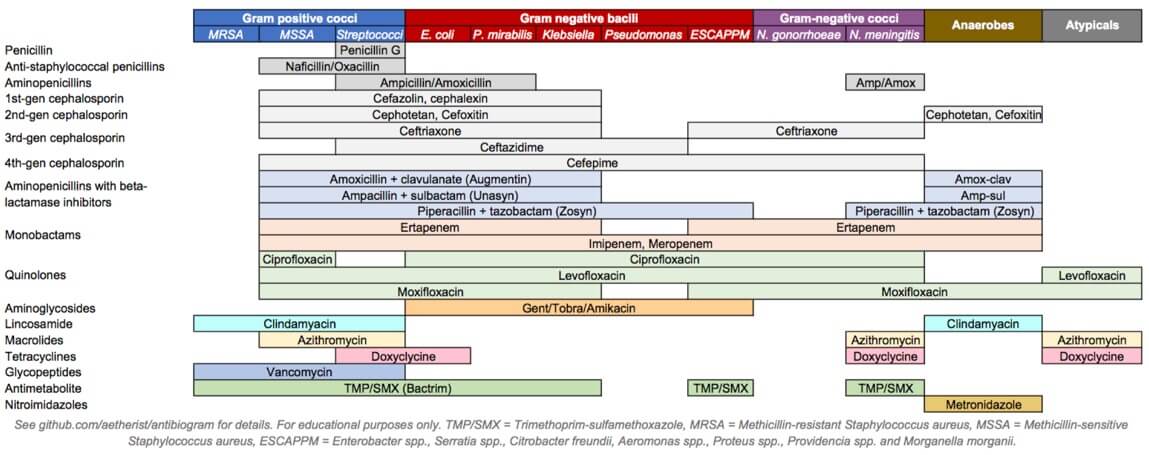
Antibiotic Spectrums : Cheat sheet
Gram positive and Gram negative Amoxicillin-clavulanate Tazobactam-piperacillin Carbapenem: Ertapenen, Imipenem, Meropenem Cefuroxime Cefotaxime Ceftriaxone Anaerobes Amoxicillin-clavulanate Tazobactam-piperacillin Carbapenems Clindamycin Metronidazole Pseudomonas Tazobactam-piperacillin Carbapenems (except Ertapenem) Ceftazidime, Cefoperazone, Cefepime Gentamicin, Amikacin, Tobramycin Ciprofloxacin Colistin Aztreonam Only gram positive Vancomycin Teicoplanin Linezolid Daptomycin Only gram negative Ceftazidime Colistin Aztreonam “Non-culturable” bacteria Macrolides:…
PGMEE, MRCS, USMLE, MBBS, MD/MS
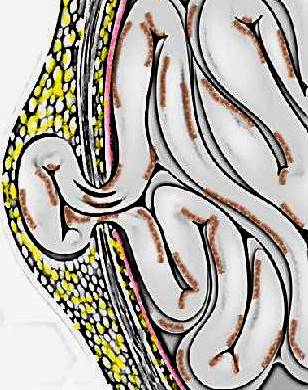
Hernia – The Others
Hernia is classically defined as a protrusion of the contents of a cavity through its walls. It is a condition which occurs not only in the abdomen but also other regions of the body such as in the thorax and cranium. In this article one can find the description of…
PGMEE, MRCS, USMLE, MBBS, MD/MS
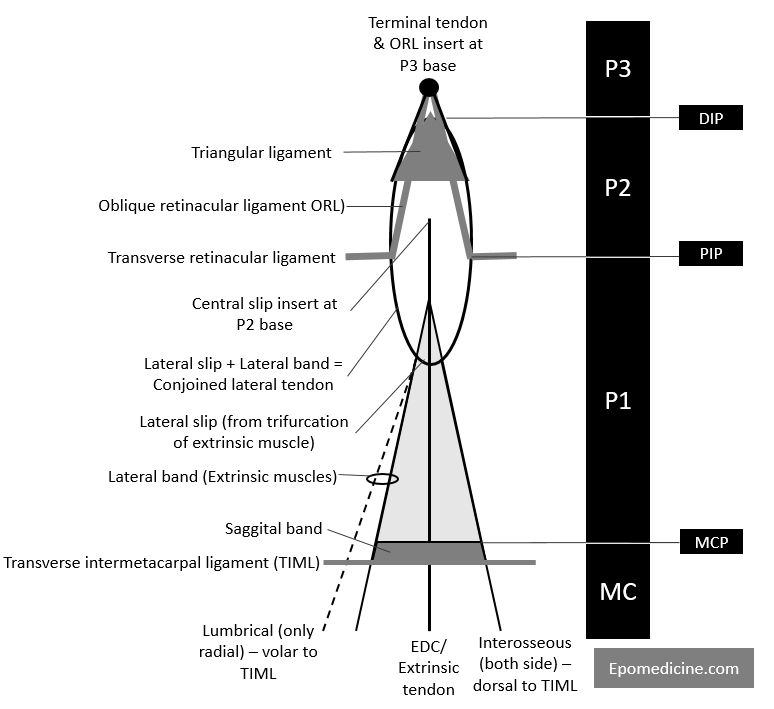
Finger Extensor Apparatus – Simplified
Synonyms: Extensor expansion, Extensor hood, Dorsal expansion, Dorsal hood, Dorsal aponeurosis Components: Extrinsic tendons Intrinsic tendons Soft-tissue stabilizing structures Extrinsic tendon Extensor Digitorum Communis (EDC; may be absent in little fingers) ± Extensor Indicis Proprius (EIP; usually ulnar to EDC) ± Extensor Digiti Minimi (EDM; ulnar to EDC) passes dorsally…
PGMEE, MRCS, USMLE, MBBS, MD/MS
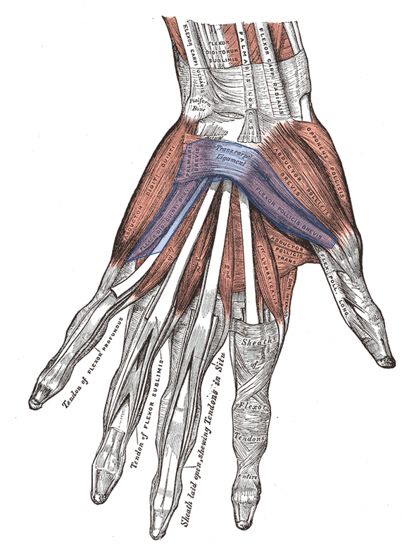
Intrinsic Muscles of Hand : Mnemonics
Hand comprises of 10 compartments: Thenar Adductor Hypothenar Palmar interosseous (3) Dorsal interosseous (4) Thenar and Adductor Muscles Thenar and Adductor muscles can be remembered using following technique: Additionally, thenar, adductor and hypothenar muscles of hand can be remembered in their relative position in palm using the mnemonics given below….
PGMEE, MRCS, USMLE, MBBS, MD/MS
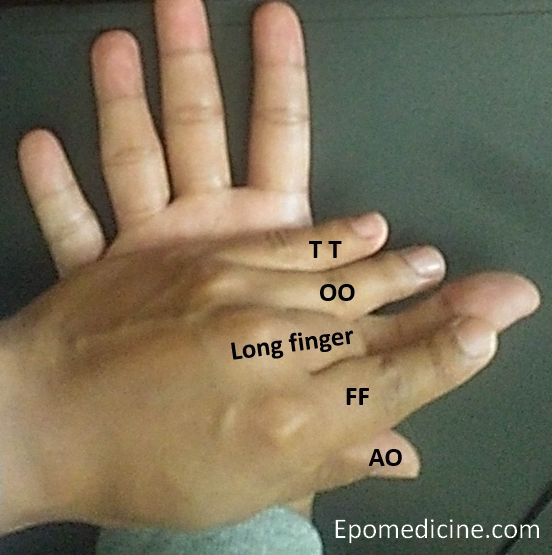
Intrinsic thumb muscles : Tricks to Remember
The muscles of thumb will make 2 compartments – thenar compartment and adductor compartment. Mnemonic: Do it yourself as shown in the image below. Put your left hand with curled in middle/long finger above the palm of right hand. There are 2 muscle layers in this side of the hand….