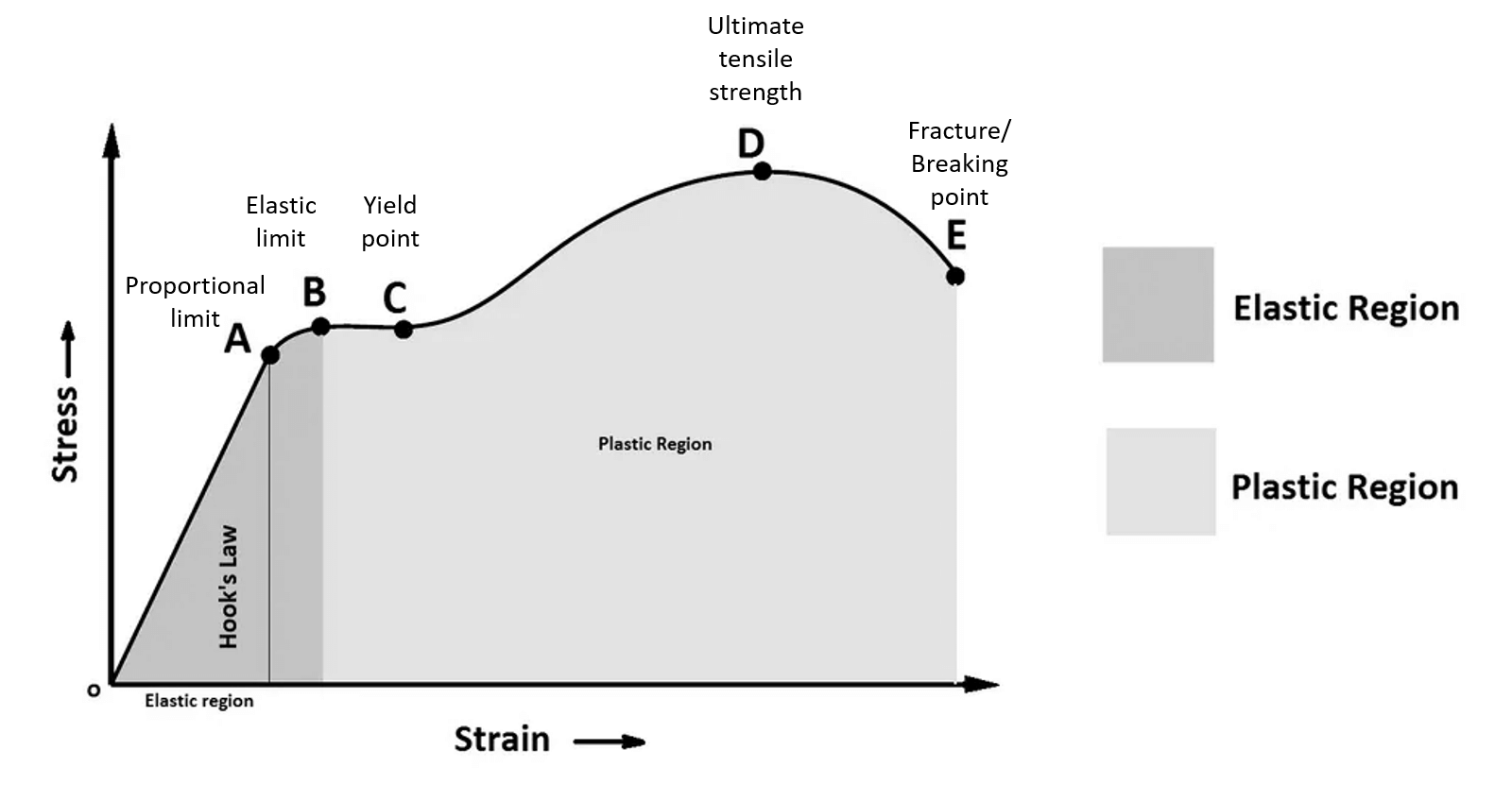
Stress or load: Force over area (has units of Newton per square metre) Strain or deformation: Change in length over original length caused by applied stress or load (unitless and expressed as ratio or percentage) Mnemonic: If your boss is under a lot of stress, his personality changes (strain) A….
Category: PGMEE, MRCS, USMLE, MBBS, MD/MS
Medical knowledge in bullet points with understandable language, simplified images and graspable mnemonics.
PGMEE, MRCS, USMLE, MBBS, MD/MS
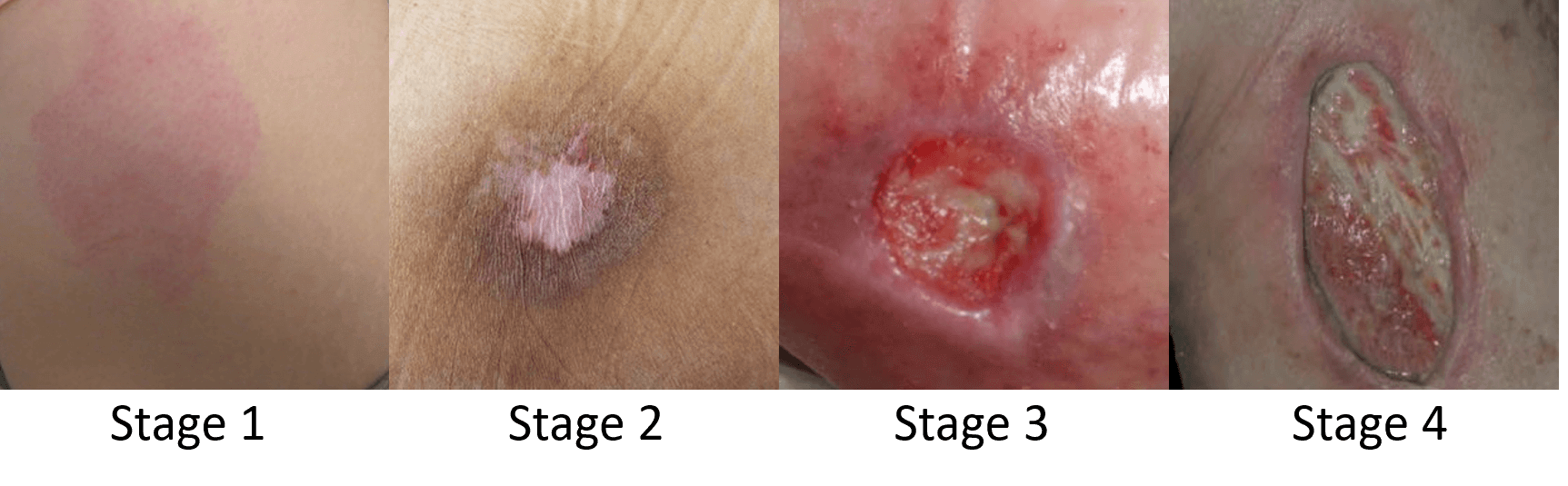
Pressure Sores and Bed Sores
A pressure injury is localized damage to the skin and underlying soft tissue usually over a bony prominence or related to a medical or other device. Normal capillary refill is 16-33 mmHg. Ischemia occurs with prolonged pressure >33 mmHg: Ischial tuberosity: >100 mmHg during sitting Sacral region: 40-60 mmHg in…
PGMEE, MRCS, USMLE, MBBS, MD/MS
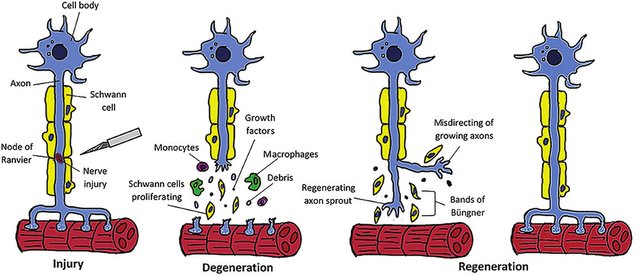
Motor March Phenomenon
Motor march phenomenon is a sign of reinnervation like Hoffman-Tinel’s sign which has been discussed earlier. Observed in: Axonotmesis Repaired Neurotmesis Not observed in: Neuropraxia Motor march phenomenon: As the re-innervation of injured nerve proceeds, the muscles nearest to the site of injury recovers first followed by distal ones sequentially…
PGMEE, MRCS, USMLE, MBBS, MD/MS
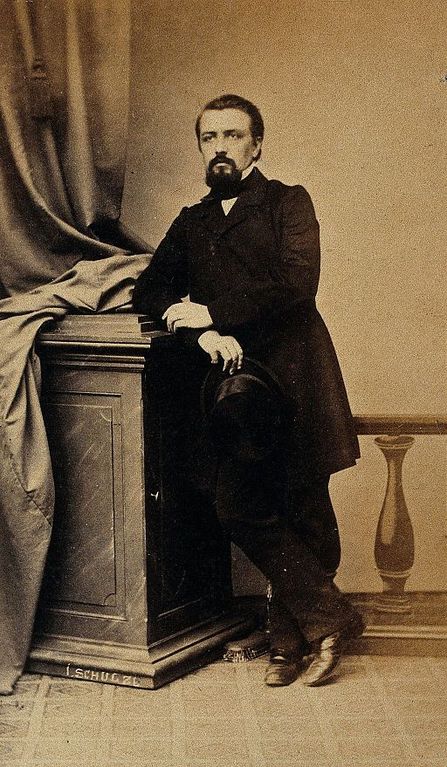
Friedreich’s Ataxia : Mnemonic
Friedreich’s ataxia is a hereditary spinocerebellar degenerative disorder named after German neurologist, Professor Nicholaus Friedreich. Mnemonic: FRIEDREICH’S Ataxia 1. Foot deformity (progressive cavo-varus), Frataxin expression reduced 2. Recessive (autosomal), Repeat of trinucleotide GAA (chromosome 9) 3. Iron accumulation in mitochondria 4. Extensor plantar response 5. Dysarthria (within 5 years of…
PGMEE, MRCS, USMLE, MBBS, MD/MS
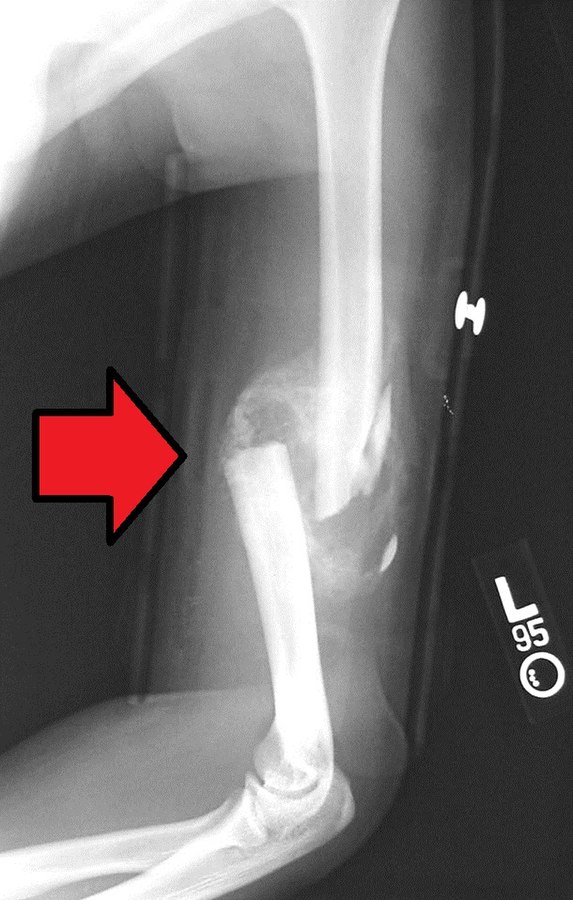
Perkin’s Timetable for Fracture Healing
One needs to understand the difference between bone union and consolidation first Union Consolidation Definition Partial/Incomplete repair Full/Complete repair Callus Calcified Ossified Attempted angulation Painful Painless Fracture line in X-ray Still visible Obliterated and crossed by bony trabeculae Full weight bearing Cannot be undertaken Can be undertaken Reference: Physiotherapy in…
PGMEE, MRCS, USMLE, MBBS, MD/MS

AO fracture classification made easy
It is an alpha-numeric system of classification developed by Muller and colleagues. Step 1: 1st digit specifies bone Step 2: 2nd digit specifies segment of bone Square definition: Proximal and distal segments are defined by a square whose sides = length of widest part of epiphysis Exceptions of square definition:…
PGMEE, MRCS, USMLE, MBBS, MD/MS
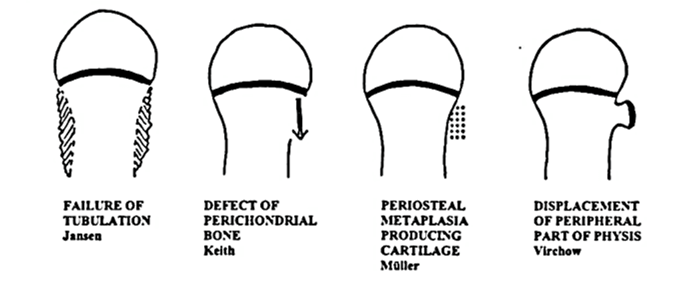
Osteochondroma : Mnemonics
Features of Osteochondroma Mnemonic: Six “C” Commonest benign bone tumor Continue to grow until Closure of physis Cartilage cap (appears larger clinically than in X-ray) Continuous with native bone (cortex and medullary canal) Cane (pedunculated/stalked points away from joint and sessile/broad based have higher risk of malignant degeneration) Change (mutation)…
PGMEE, MRCS, USMLE, MBBS, MD/MS
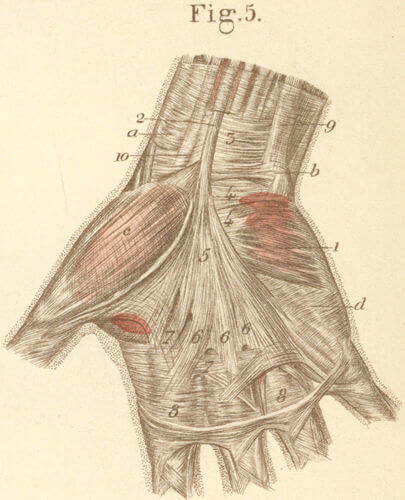
Palmar Aponeurosis or Fascia
5 components a. Central aponeurosis It is triangular in shape with apex originating at the level of flexor retinaculum as a continuation of palmaris longus and thins and fans out distally. It has 3 dimensional fiber orientation: longitudinal, transverse and vertical 1. Longitudinal: Gives 4 pre-tendinous band (PTB) in the…