Skip to content
Epomedicine

Mnemonics, Simplified Concepts & Thoughts

Epomedicine

Mnemonics, Simplified Concepts & Thoughts

Edward Syndrome : Mnemonic

Epomedicine, Sep 16, 2022Jul 23, 2024
edward syndrome
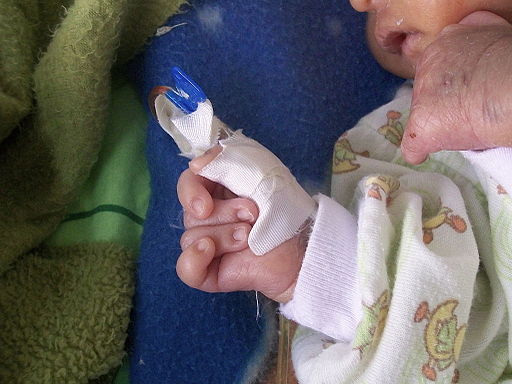
Bobjgalindo, CC BY-SA 4.0, via Wikimedia Commons

Mnemonic: EDWARDS

1. Eighteen trisomy, Elongated skull

2. Digit overlapping with clenched fist

3. Webbing of 2nd and 3rd toes

4. Absent radii, Arthrogryposis

5. Rocker-bottom feet

6. Dysplastic ears, Disability (intellectual), Diseased heart (VSD)

7. Small lower jaw
  • Facebook
  • Twitter
PGMEE, MRCS, USMLE, MBBS, MD/MS Pediatrics

Post navigation

Previous post
Next post

Related Posts

PGMEE, MRCS, USMLE, MBBS, MD/MS

Physiology of Pulmonary Surfactant

Jun 16, 2020Jun 16, 2020

Origin Type II alveolar cells/pneumocytes (small but numerous) and Lamellar bodies (appear in Type II pneumocytes at around the 20th week of gestation) Type I alveolar cells (large and covers 95% alveoli) are squamous cells and involved in gas exchange process. Recycling 90% is reprocessed (through endocytosis); average time for…

Read More
PGMEE, MRCS, USMLE, MBBS, MD/MS tympanogram interpretation

Understanding and Interpreting a Tympanogram

Aug 3, 2015

Relevant terms and definitions: 1. Tympanogram: plots compliance changes of the Tympanic Membrane (TM) versus air pressure in the EAC Y-axis shows pressure gradient and X-axis shows compliance change 2. Peak: point on the tympanogram that represents the point of maximum compliance, in which pressure of the external ear canal equals the pressure of the…

Read More
PGMEE, MRCS, USMLE, MBBS, MD/MS hilum signs

Chest Xray – Approach to hilum

Jun 24, 2015Jun 24, 2015

Hilum in human anatomy refers to the depression where structures such as blood vessels and nerves enter an organ. The structures contributing to hilar shadows in a Chest X-ray are: Major: Pulmonary artery and veins Minor: Fat, Lymph nodes and Bronchial walls Normal Hilum: Position: Left hilum is slightly higher…

Read More

Comment

  1. Kelvin says:
    Sep 17, 2022 at 9:24 am

    Thank you thank you and thank you. God bless you 🙏🙏🙏🙏🙏

    Reply

Leave a Reply Cancel reply

Your email address will not be published. Required fields are marked *

This site uses Akismet to reduce spam. Learn how your comment data is processed.

Pre-clinical (Basic Sciences)

Anatomy

Biochemistry

Community medicine (PSM)

Embryology

Microbiology

Pathology

Pharmacology

Physiology

Clinical Sciences

Anesthesia

Dermatology

Emergency medicine

Forensic

Internal medicine

Gynecology & Obstetrics

Oncology

Ophthalmology

Orthopedics

Otorhinolaryngology (ENT)

Pediatrics

Psychiatry

Radiology

Surgery

RSS Ask Epomedicine

  • What to study for Clinical examination in Orthopedics?
  • What is the mechanism of AVNRT?

Epomedicine weekly

  • About Epomedicine
  • Contact Us
  • Author Guidelines
  • Submit Article
  • Editorial Board
  • USMLE
  • MRCS
  • Thesis
©2026 Epomedicine | WordPress Theme by SuperbThemes