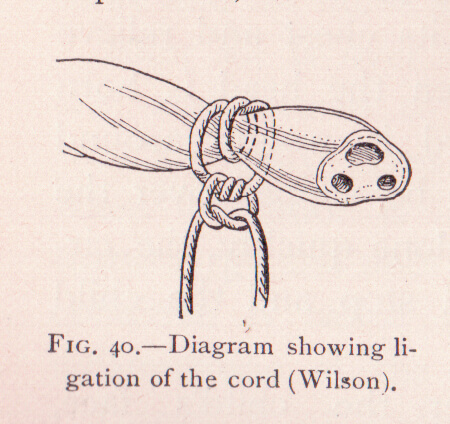
Anatomy of Umbilical Cord Umbilical cord is a connecting link between fetus and placenta through which fetoplacental circulation occurs. It is formed from allantois carrying vessels from Fetus to Chorion and passing abdominal stalk. It is around 50 cm long and contains 2 umbilical arteries and 1 umbilical vein surrounded by…
Category: PGMEE, MRCS, USMLE, MBBS, MD/MS
Medical knowledge in bullet points with understandable language, simplified images and graspable mnemonics.
PGMEE, MRCS, USMLE, MBBS, MD/MS

Heart Disease in pregnancy
Mortality risk associated with pregnancy Group I – Mortality <1% Group II – Mortality 5-15% Group III – Mortality 25-50% Commonest in Pregnancy Valvular heart disease: Mitral stenosis Congenital heart disease: ASD Cyanotic congenital heart disease: Fallot’s tetralogy (TOF) Predictors of Cardiac Events during Pregnancy N – NYHA Class >II…
PGMEE, MRCS, USMLE, MBBS, MD/MS
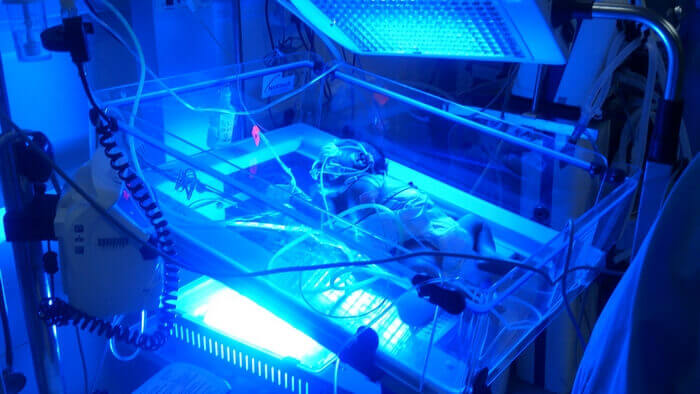
Apt Test in Newborn: Maternal vs Neonatal Blood
We had few cases of suspected GI bleeding, admitted or referred to our NICU. One was case of Hematochezia and other was case of fresh blood in vomitus. Both babies were born to mother with Antepartum hemorrhage. The general condition of the babies were fine, and the vitals. There was…
PGMEE, MRCS, USMLE, MBBS, MD/MS
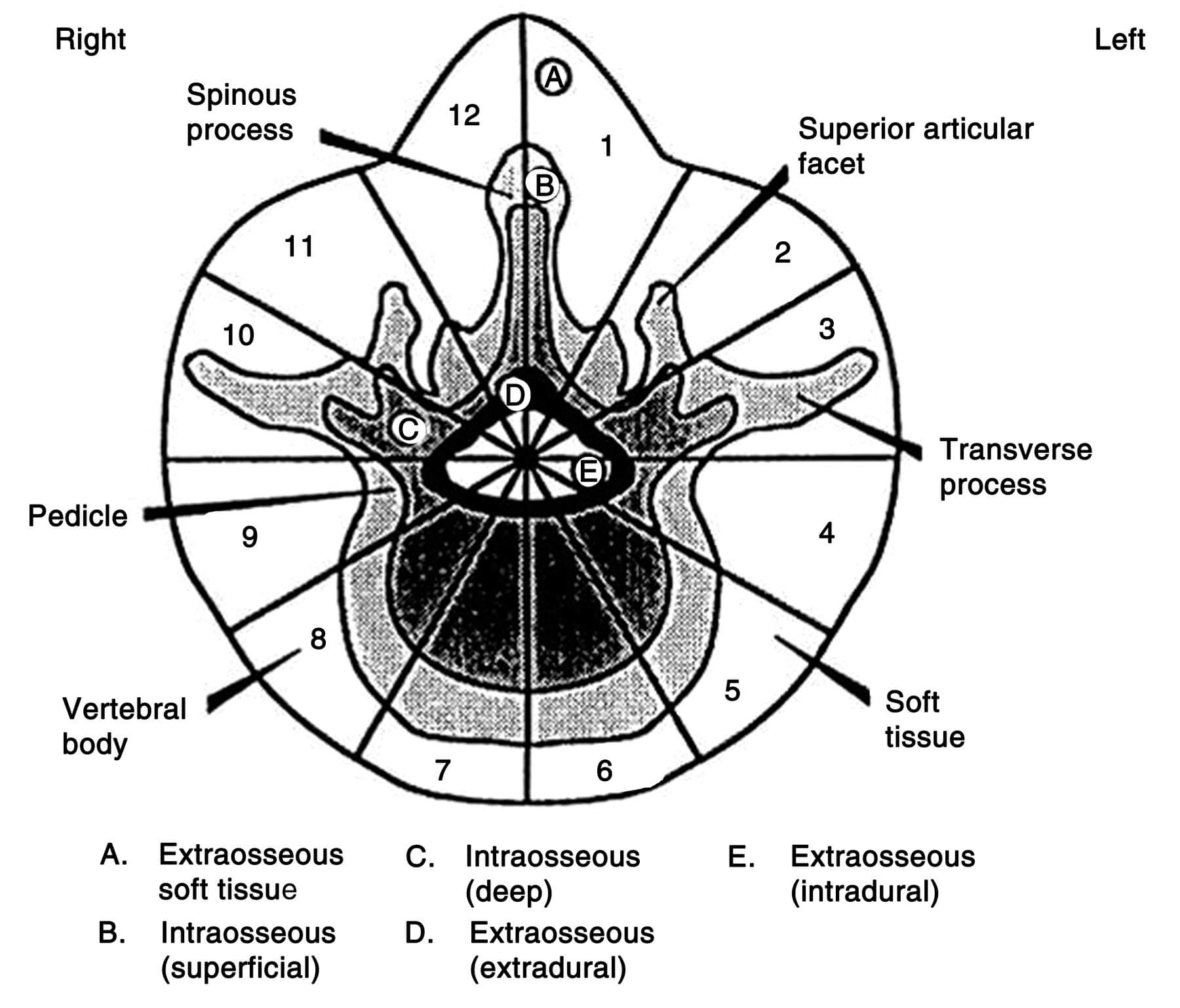
Staging and Grading of Bone Tumors (Neoplasm)
Enneking (MSTS) Staging for Malignant Bone Tumors Stage Grade Site Metastasis IA Low Intra-compartmental None IB Low Extra-compartmental None IIA High Intra-compartmental None IIB High Extra-compartmental None III Any Any Regional or Distant Low-grade tumors generally have few mitotic figures, little if any cellular atypia, and have a relatively non-infiltrative…
PGMEE, MRCS, USMLE, MBBS, MD/MS
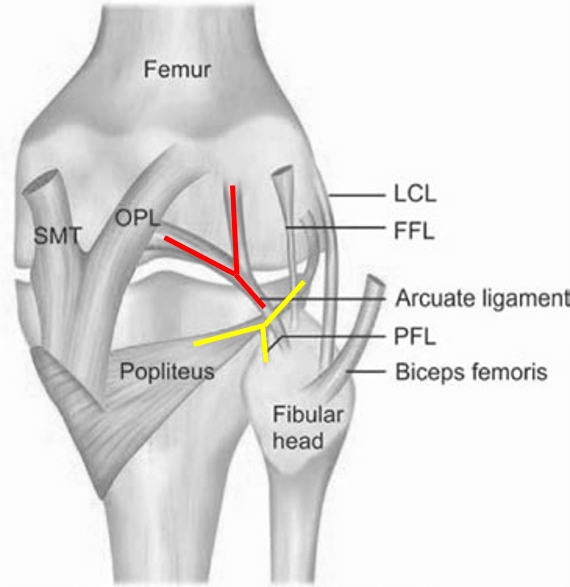
Posterolateral corner (PLC) of knee
Anatomy of PLC 3 major static stabilizers of PLC Lateral collateral ligament Popliteus tendon Popliteofibular ligament Other static stabilizers of PLC Lateral capsule thickening Arcuate ligament Fabellofibular ligament Dynamic stabilizers of PLC Biceps femoris Popliteus muscle Iliotibial band (ITB) Lateral head of gastrocnemius There are 2 “Y” shaped structures in…
PGMEE, MRCS, USMLE, MBBS, MD/MS
Osteogenesis Imperfecta : Mnemonic
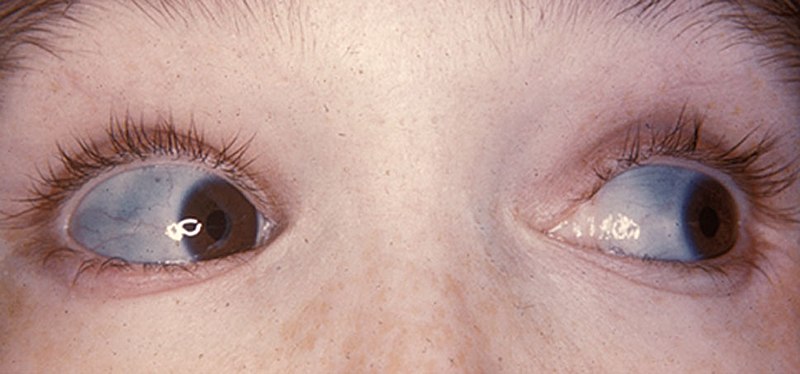
Synonym: Brittle Bone Disease Incidence: 1 in 20,000 Gene defect: Col1A1 (17q) and Col1A2 (7q) Mnemonic: Remember “one” for “bone”. Collagen one is the main composition of bone. OI is a disorder of bone. Hence, the defect is is in Col1. Features Mnemonic: BLOOD Sillence Type Inheritance Features Mnemonic Collagen…
PGMEE, MRCS, USMLE, MBBS, MD/MS
BIND score in severe hyperbilirubinemia
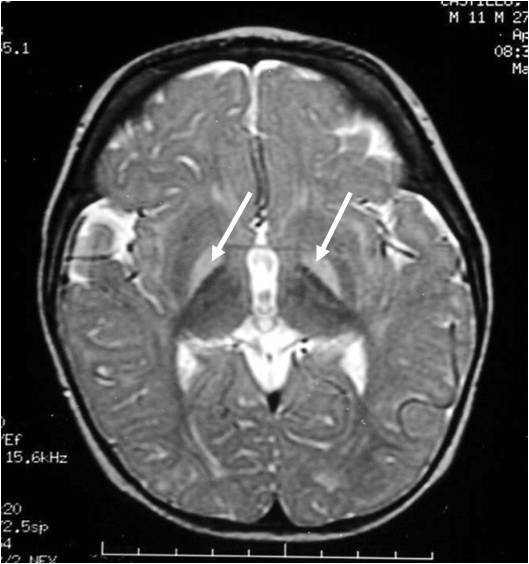
Bilirubin-induced neurologic dysfunction (BIND) Score is used to assess bilirubin induced encephalopathy in neonates with severe hyperbilirubinemia. Johnson et al developed the BIND score to help identify an infant who requires more aggressive monitoring and management. The scoring system has 3 parameters: 1. Cry pattern 2. Behavior and mental status…
PGMEE, MRCS, USMLE, MBBS, MD/MS
Linea Aspera
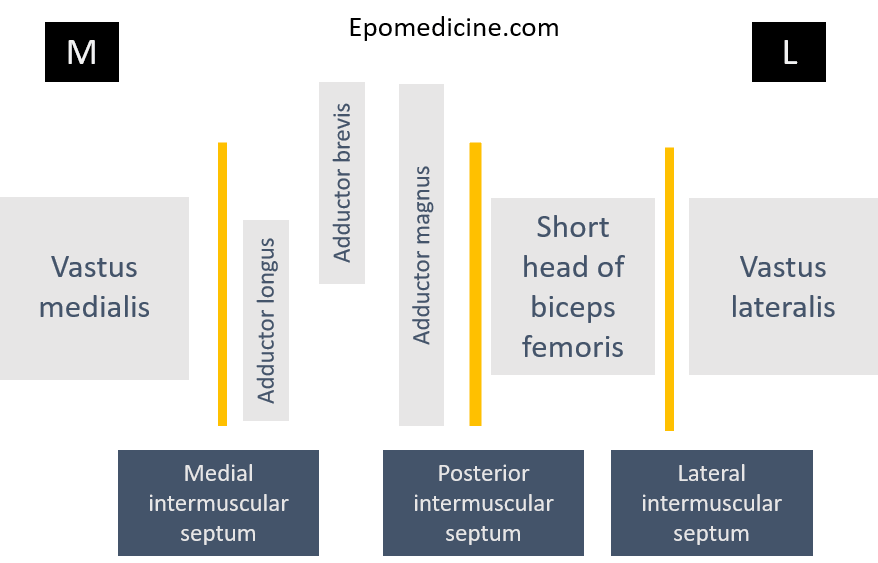
Linea aspera is a ridge of roughened surface on the posterior surface of the shaft of femur which serves as a site for attachment of muscles and intermuscular septum. The various structures attached to linea aspera can be remembered using few mnemonics: Mnemonic 1#: 1, 2, 3 It gives attachment…