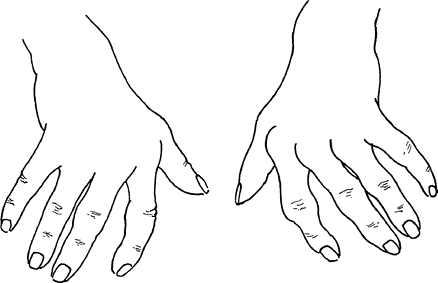
Ulnar drift or deviation of fingers Normal anatomical factors contributing to ulnar drift of fingers at MCP joint: Normal mechanical advantage of ulnar intrinsic muscles Asymmetry and ulnar slope of metacarpal heads of index and middle fingers Greater ulnar deviation permitted by radial collateral ligament when MCP joint is flexed…
Category: PGMEE, MRCS, USMLE, MBBS, MD/MS
Medical knowledge in bullet points with understandable language, simplified images and graspable mnemonics.
PGMEE, MRCS, USMLE, MBBS, MD/MS
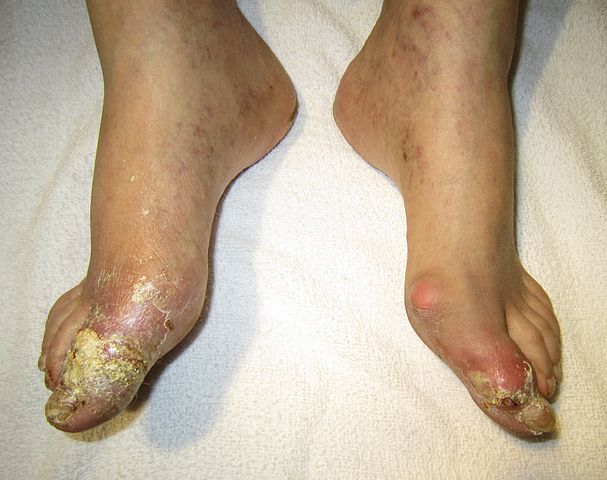
Gout : Mnemonics
Urate Lowering Therapy (ULT) Mnemonic: 1, 2, 3, 4, 5, 6 Start Urate Lowering Therapy if: ≥1 subcutaneous tophi ≥2 flares per year ≥3 stage CKD with Serum uric acid (SUA) ≥ 9 mg/dl Other indications: Urate renal stone, Evidence of joint destruction in X-ray 4. ≥4 weeks to be…
PGMEE, MRCS, USMLE, MBBS, MD/MS
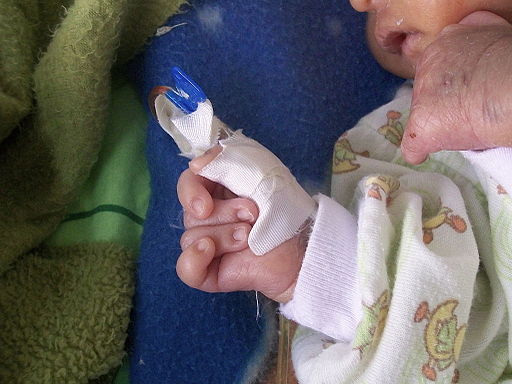
Edward Syndrome : Mnemonic
Mnemonic: EDWARDS 1. Eighteen trisomy, Elongated skull 2. Digit overlapping with clenched fist 3. Webbing of 2nd and 3rd toes 4. Absent radii, Arthrogryposis 5. Rocker-bottom feet 6. Dysplastic ears, Disability (intellectual), Diseased heart (VSD) 7. Small lower jaw
PGMEE, MRCS, USMLE, MBBS, MD/MS

Pharmacology of Clindamycin : Mnemonic
Class: Lincosamide Mechanism of action: Binds 50S subunit of ribosome and inhibits translation – bacteriostatic (Remember the mnemonic: buy AT 30 & CELLS at 50) Spectrum: Gram positive and Anaerobes Mnemonic: PAST Penicillinase producing Staphylococci Anaerobes (Bacteroides, Clostridium, Fusobacterium) Streptococci (Viridans, Pyogenes, Pneumoniae) Toxoplasma Uses: Mnemonic: PAST Peritonitis, Pelvic abscess,…
PGMEE, MRCS, USMLE, MBBS, MD/MS

CTEV Made Easy
CAVE deformities Mnemonic Deformity Site Components C Cavus Midfoot Plantar flexed 1st metatarsal A Adductus Forefoot (Tarsometatarsal joint) Medial displacement of navicular and cuboid along with talar neck and head; Calcaneus and distal calcaneal articulating surfaces adducted along V Varus Hindfoot (Subtalar joint) Calcaneum is adducted, plantar flexed and inverted…
PGMEE, MRCS, USMLE, MBBS, MD/MS
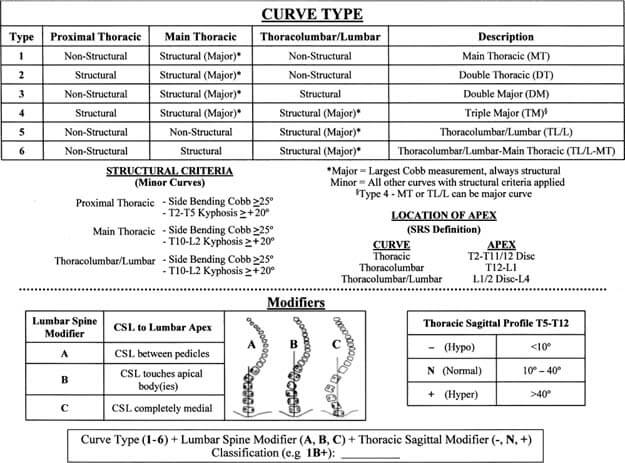
Idiopathic Scoliosis Made Easy
Definition Cobb’s angle >10° Diagnosis of exclusion: Congenital scoliosis and Neuromuscular scoliosis ruled out Types: Early onset (<10 years): Infantile: 0-3 years Juvenile: 4-10 years Late onset (>10 years) Adolescent: 10-18 years Adult: >18 years Indications for MRI in general Mnemonic: Left JAPAN Left thoracic curves Juvenile onset (<10 years)…
PGMEE, MRCS, USMLE, MBBS, MD/MS
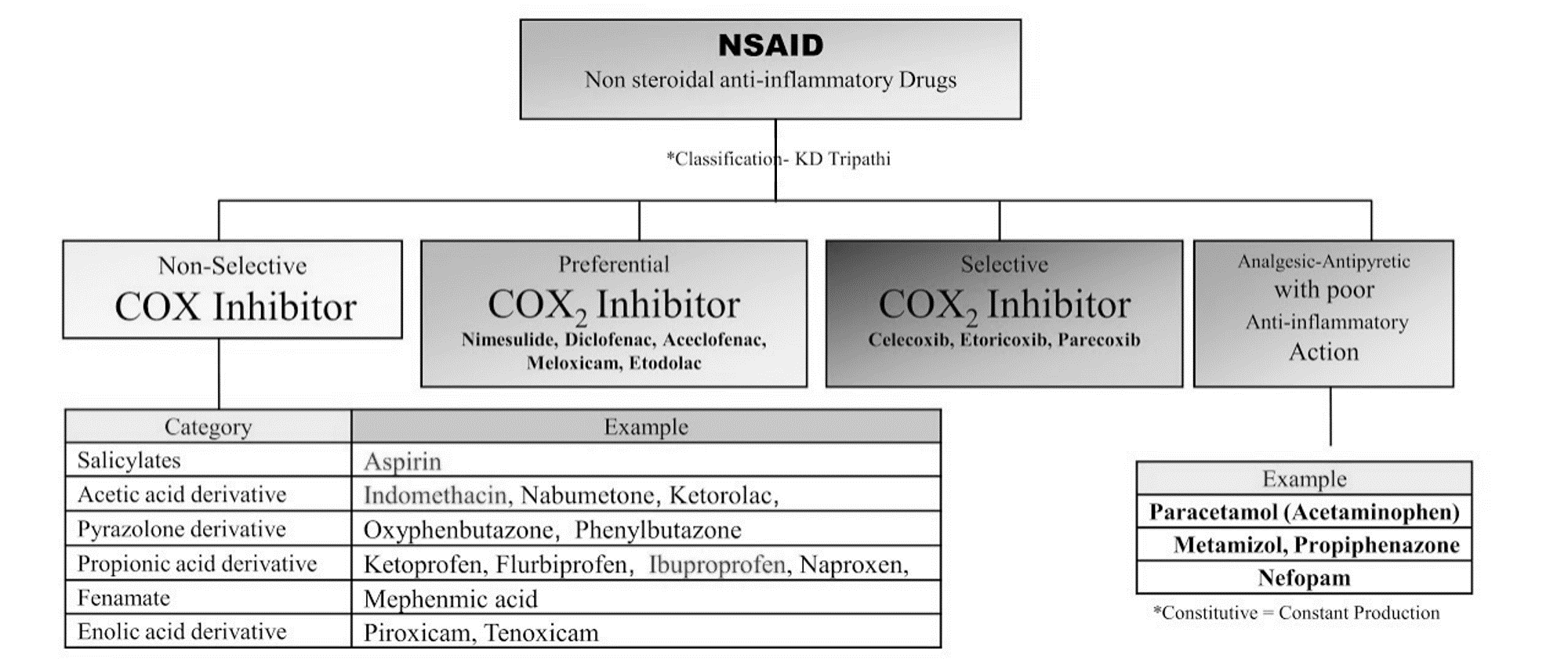
NSAIDs : Mnemonics
Classification Mnemonic: Prescribed By SOFIA Propionic acid derivatives: Ibuprofen, Ketoprofen, Flurbiprofen, Naproxen Pyrrolo-pyrrole derivates: Ketoroloac Pyrazolone derivatives: Phenylbutazone, Oxybutazone Benzoxazocine derivatives: Nefopam Salicyaltes: Aspirin Selective COX-2 inhibitor: Celecoxib, Etoricoxib, Parecoxib Oxicam derivatives: Piroxicam, Tenoxicam Fenamic acid derivatives: Mefenamic acid (Anthranilic acid derivative) Indol derivatives: Indomethacin, Sulindac Aryl acetic acid derivatives:…
PGMEE, MRCS, USMLE, MBBS, MD/MS
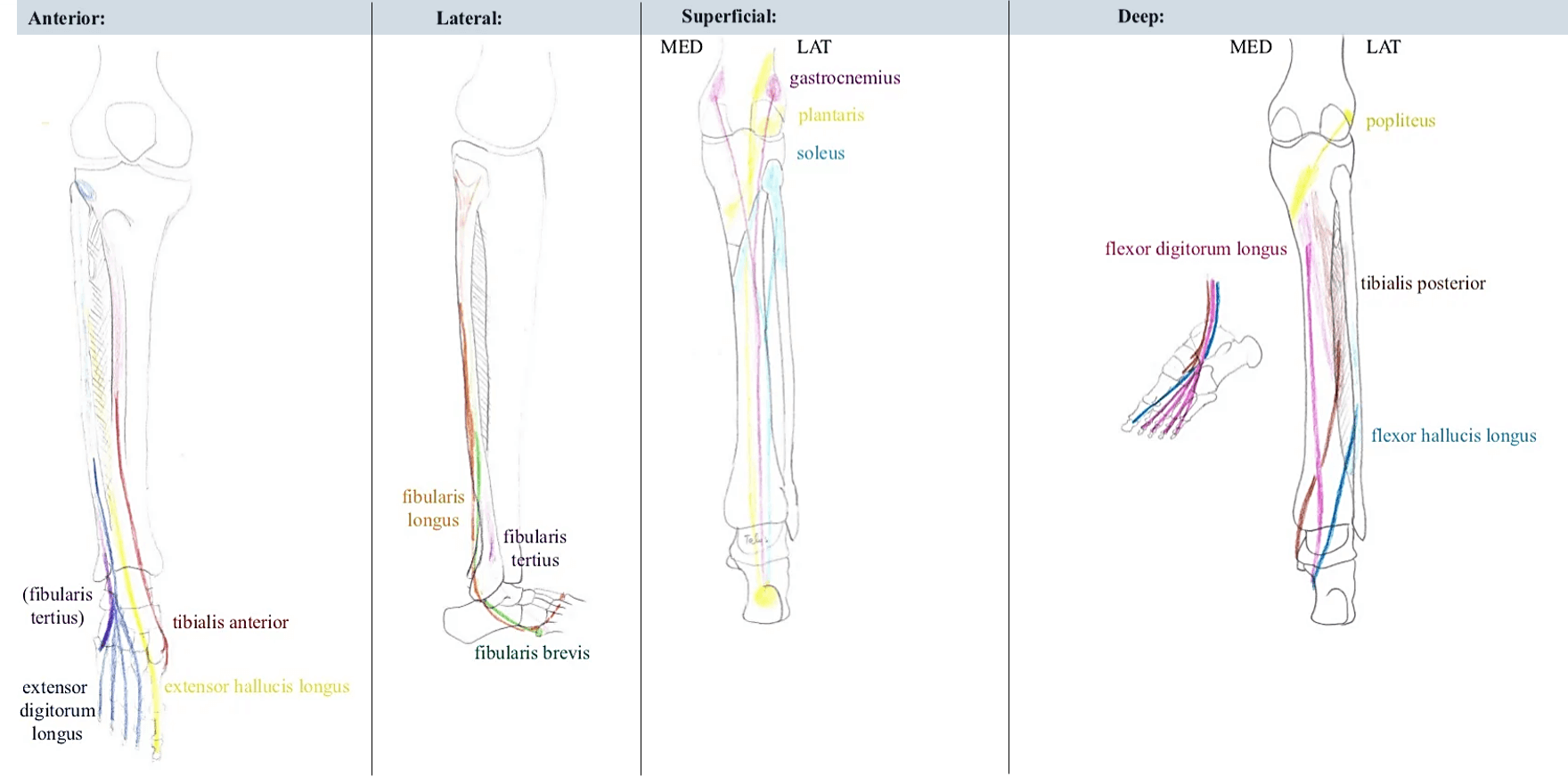
Compartments, Muscles and Fasciotomy of the leg
Muscle Origin Insertion Action Innervation Anterior compartment 1. Tibialis anterior (TA) Superior 2/3 lateral surface of tibia Medial cuneiform, 1st metatarsal Dorsiflexion, foot inversion Deep peroneal nerve (L5) 2. Extensor digitorum longus (EDL) Superior 2/3 of fibula and interosseous membrane Middle and distal phalanx, lateral 4 toes Dorsiflexion, toe extension…