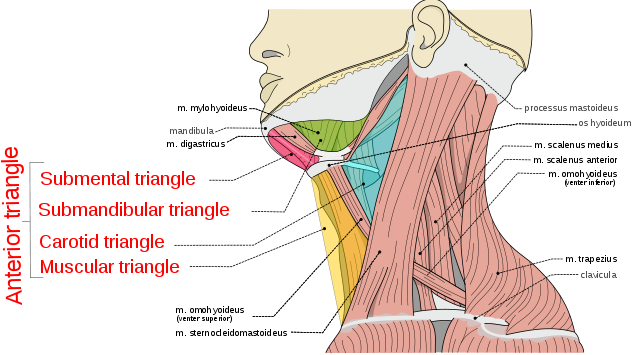
Triangles Subdivisions Boundaries Floor Contents Clinical relevance Anterior Digastric (submandibular) – further subdivided into 3 small triangles:a. Lesser’sb. Pirogov’sc. Beclard’s 2 digastric belliesMandible Mylohyoid Submandibular glandSubmandibular nodesFacial nerve – Marginal mandibular branch (MMB)Facial vesselsLingual vesselsHypoglossal nerveNerve to mylohyoid Incision 2 finger breadth below inferior border of mandible avoids MMB of…
Category: PGMEE, MRCS, USMLE, MBBS, MD/MS
Medical knowledge in bullet points with understandable language, simplified images and graspable mnemonics.
PGMEE, MRCS, USMLE, MBBS, MD/MS
Colorectal carcinoma – Duke Staging and Management
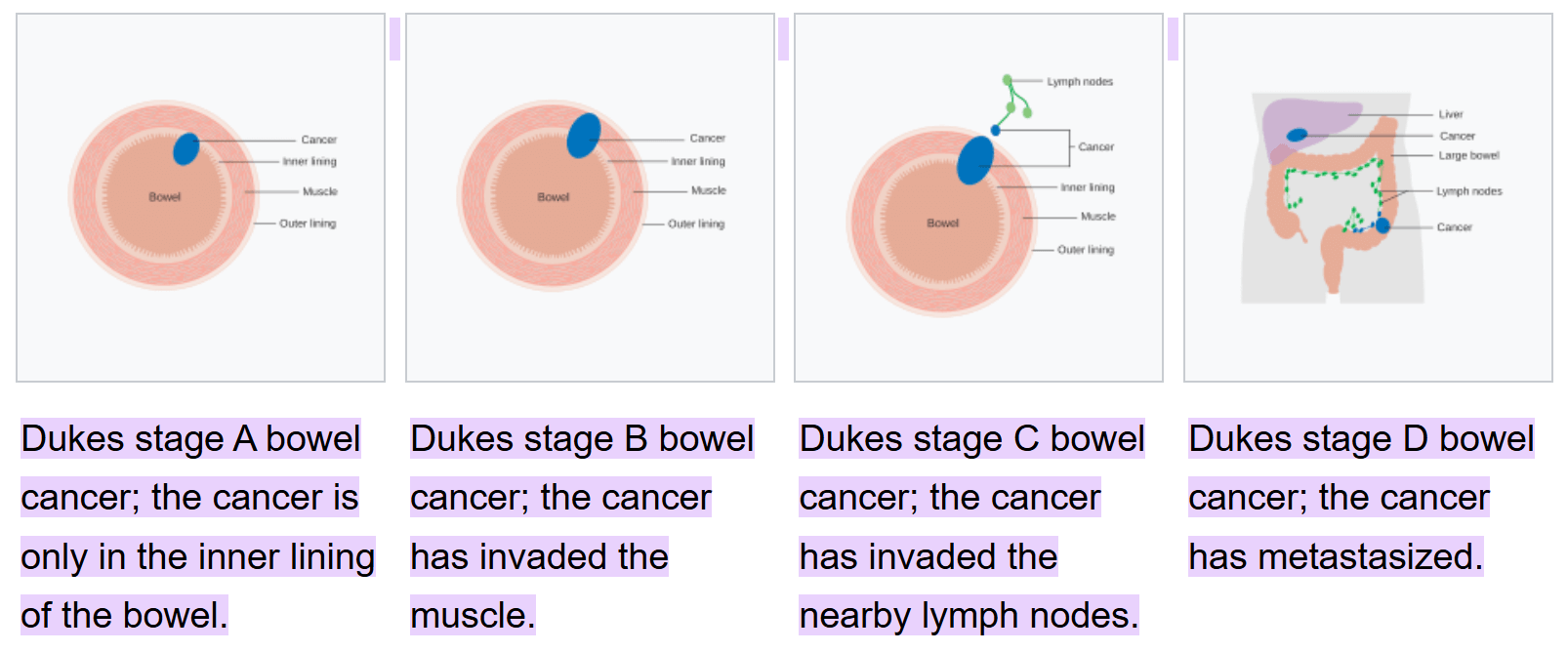
TNM stage Duke’s stage Description 5 yr survival Surgery Chemotherapy Radiotherapy 0 – Tis, N0, M0 Limited to mucosa >95% Local excision/polypectomy → Surveillance No No Mnemonic I – T1-2, N0, M0 A A-Ok limited to bowel wall only 90% Wide surgical resection + Anastomosis No No II – T3-4,…
PGMEE, MRCS, USMLE, MBBS, MD/MS
Spleen, Liver, Kidney Trauma
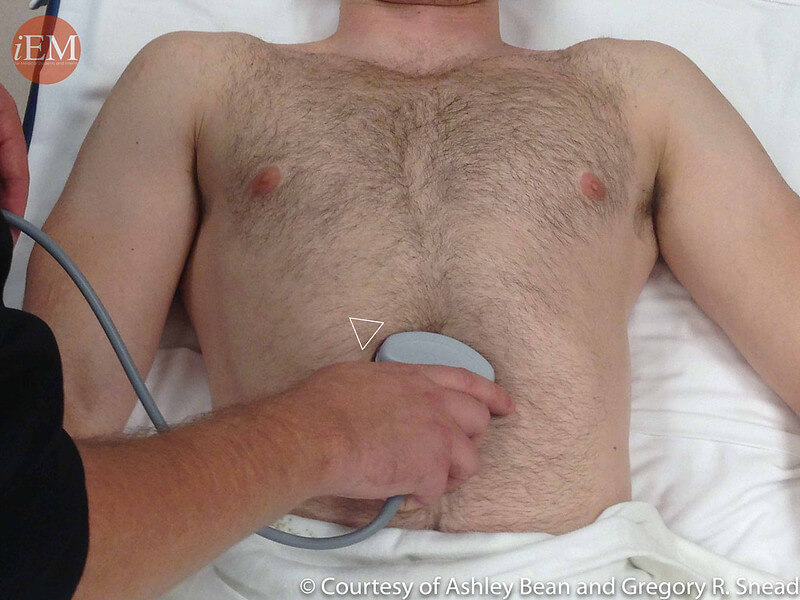
Approach to abdominal trauma has been discussed earlier. Spleen Injury Liver Injury Kidney Injury General 2nd m/c injured intra-abdominal organ in blunt trauma m/c injury requiring operative intervention in blunt trauma m/c injured intra-abdominal organ overall m/c injured intra-abdominal organ in blunt trauma m/c from blunt trauma maximum warm ischemia…
PGMEE, MRCS, USMLE, MBBS, MD/MS
Bacterial Food Poisoning
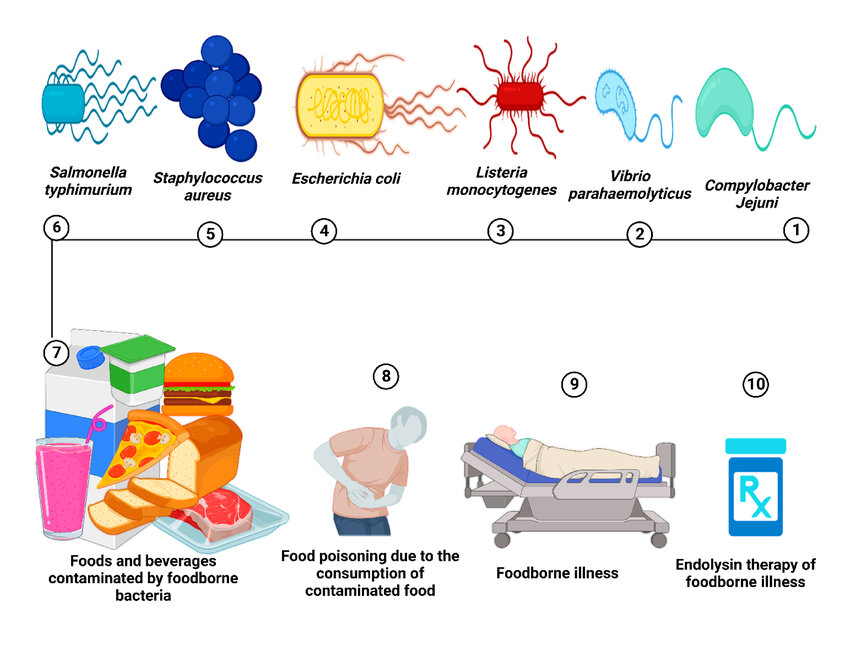
Mnemonic: AB-BC-CES Bacteria Vomiting Diarrhea Fever Food source Duration 1-6 hrs (Preformed toxins) Aureus (S. aureus) +++ +/- +/- Meats, dairy, bakery 24-48 hrs B. Cereus +++ +/- – Reheated fried rice 24 hrs 8-16 hrs B. Cereus (diarrheal toxin) +/- +++ – Meats, stews, gravy 24-48 hrs C. Perfringes…
PGMEE, MRCS, USMLE, MBBS, MD/MS
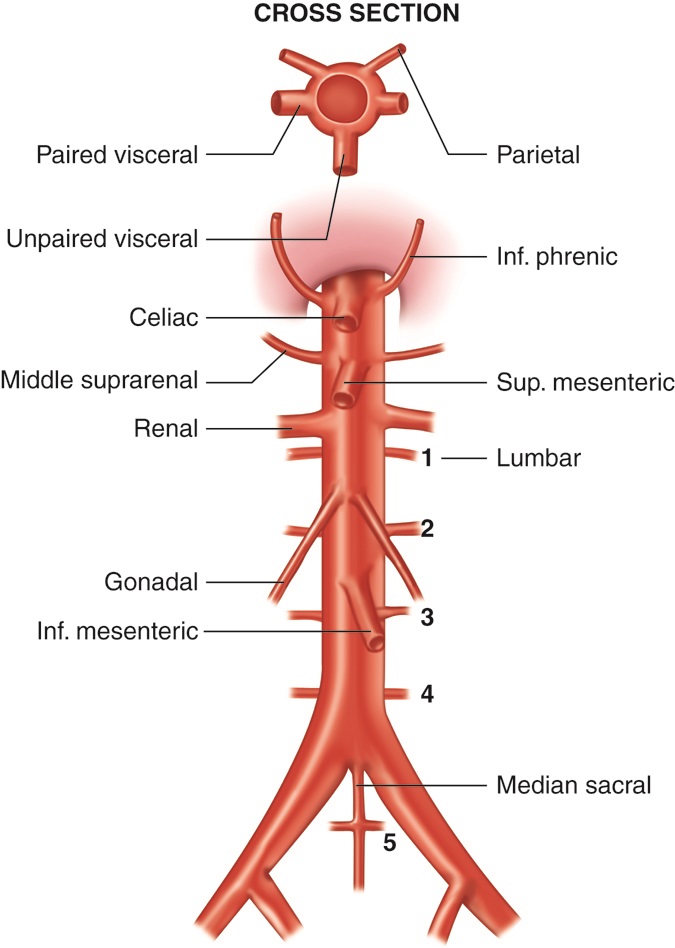
Unpaired Branches of Abdominal Aorta : Mnemonic
Celiac trunk Superior mesenteric artery (SMA) Inferior mesenteric artery (IMA) Level T12 L1 L3 Branches LHS (Left Hand Side) MRI (distal to proximal) LeSS 1. Left gastric artery Middle colic artery Left colic artery 2. common Hepatic artery Right colic artery Sigmoid arteries 3. Splenic artery Ileocolic artery Superior rectal…
PGMEE, MRCS, USMLE, MBBS, MD/MS
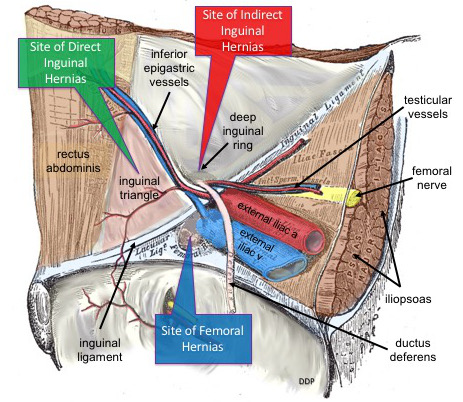
Inguinal Canal : Mnemonics
Walls of Inguinal Canal Mnemonic: SALP 2 X MALT Starting from superior, moving counterclockwise in order to posterior: 1. Superior (Roof): 2 Muscles (Internal oblique, Transverse abdominus) 2. Anterior: 2 Aponeuroses (External abdominal oblique, Internal abdominal oblique) 3. Lower (Floor): 2 Ligaments (Lacunar and Inguinal) 4. Posterior: 2 T‘s (conjoint…
PGMEE, MRCS, USMLE, MBBS, MD/MS
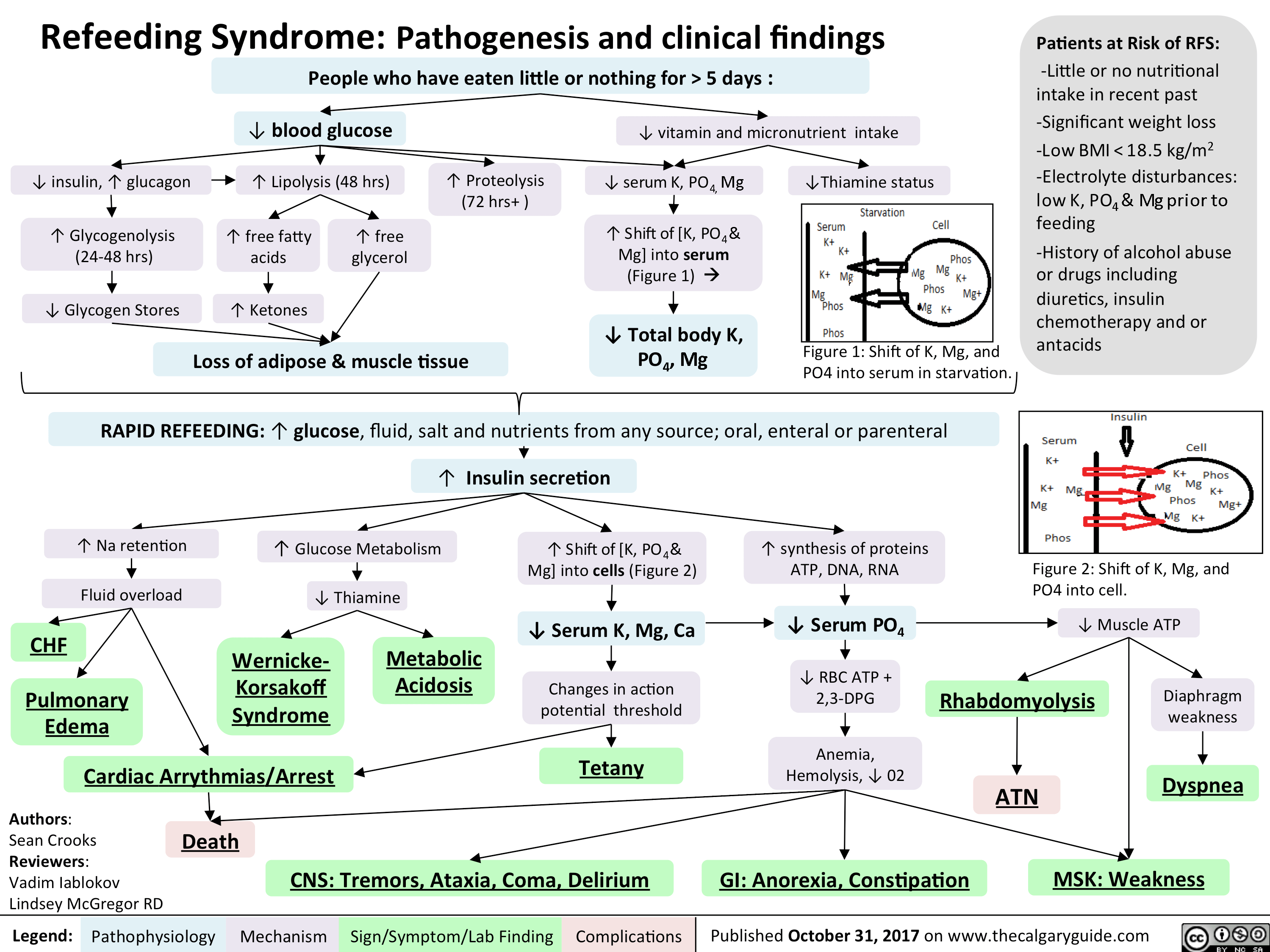
Refeeding Syndrome : Mnemonics
Risk factors Mnemonic: ABCD Pathophysiology Mnemonic: PPM Malnourished (depleted intracellular Phosphate, Potassium, Magnesium) → Refeeding → Increased glucose load → Insulin spikes → Drives PPM into cells → Hypophosphatemia (major abnormality), hypokalemia, hypomagnesemia Prevention If patient hasn’t not eaten for >5 days, aim to refeed at <50% energy and protein…
PGMEE, MRCS, USMLE, MBBS, MD/MS
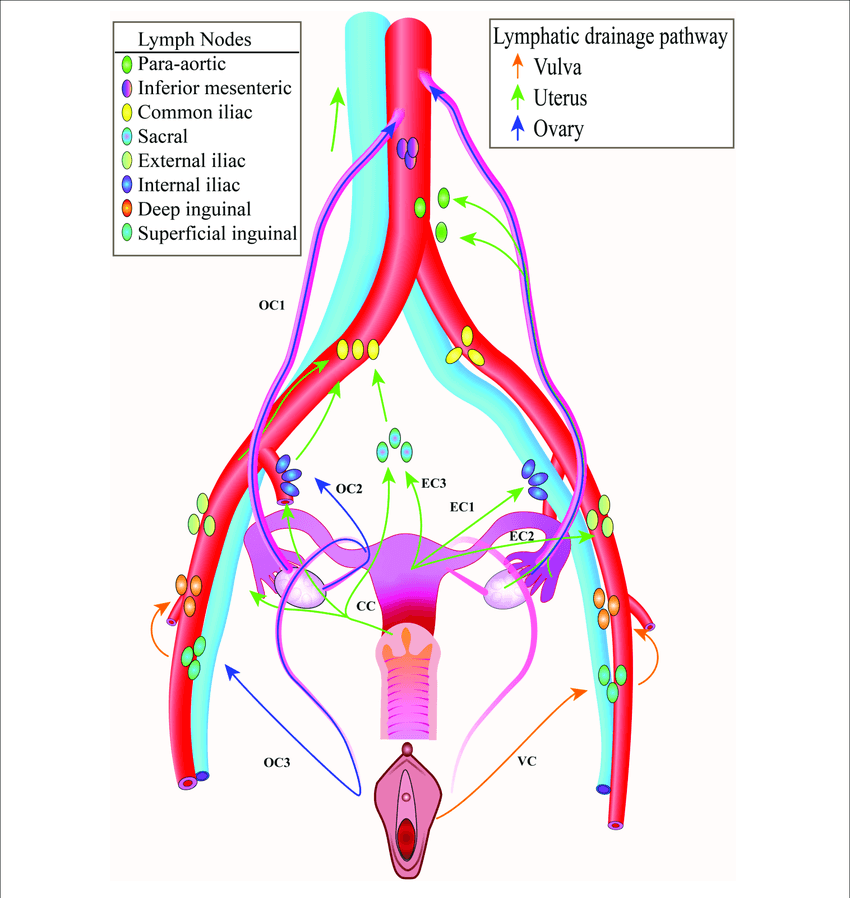
Pelvic Lymphatic Drainage
1. Para-aortic (lumbar) nodes: Gonads (derive blood supply from kidneys) 2. Inferior mesenteric nodes: As of blood supply – to the structures derived from hindgut 3. Common iliac nodes: Receives external and internal iliac nodes; Drains into para-aortic nodes 4. Superficial inguinal nodes: Everything that can be touched with fingers…