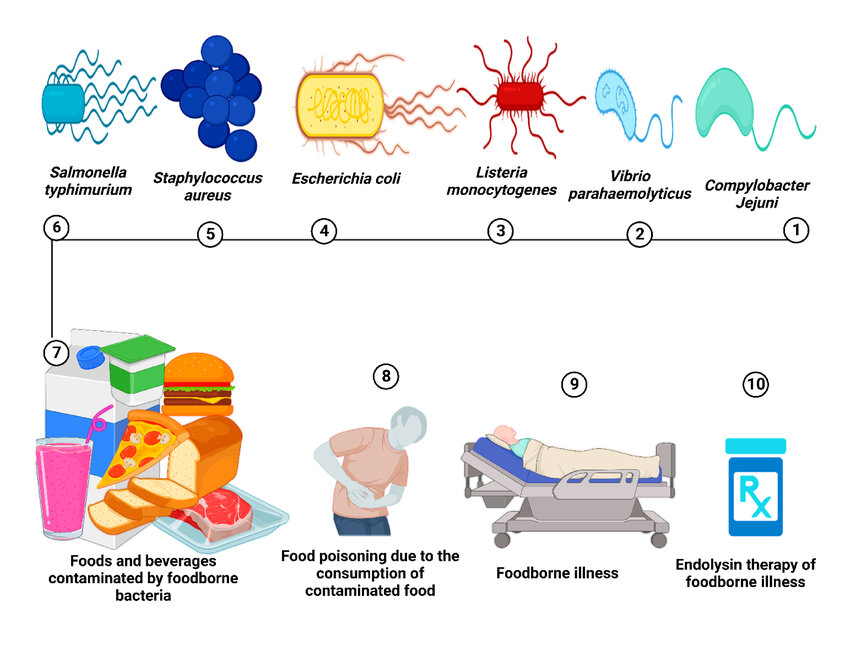
Mnemonic: AB-BC-CES Bacteria Vomiting Diarrhea Fever Food source Duration 1-6 hrs (Preformed toxins) Aureus (S. aureus) +++ +/- +/- Meats, dairy, bakery 24-48 hrs B. Cereus +++ +/- – Reheated fried rice 24 hrs 8-16 hrs B. Cereus (diarrheal toxin) +/- +++ – Meats, stews, gravy 24-48 hrs C. Perfringes…
Category: PGMEE, MRCS, USMLE, MBBS, MD/MS
Medical knowledge in bullet points with understandable language, simplified images and graspable mnemonics.
PGMEE, MRCS, USMLE, MBBS, MD/MS
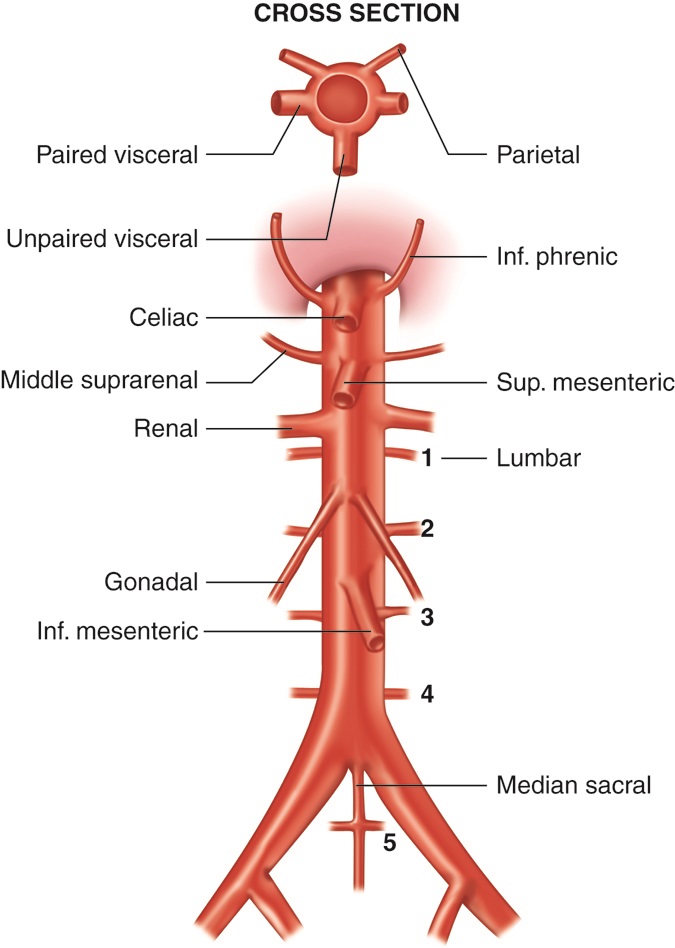
Unpaired Branches of Abdominal Aorta : Mnemonic
Celiac trunk Superior mesenteric artery (SMA) Inferior mesenteric artery (IMA) Level T12 L1 L3 Branches LHS (Left Hand Side) MRI (distal to proximal) LeSS 1. Left gastric artery Middle colic artery Left colic artery 2. common Hepatic artery Right colic artery Sigmoid arteries 3. Splenic artery Ileocolic artery Superior rectal…
PGMEE, MRCS, USMLE, MBBS, MD/MS
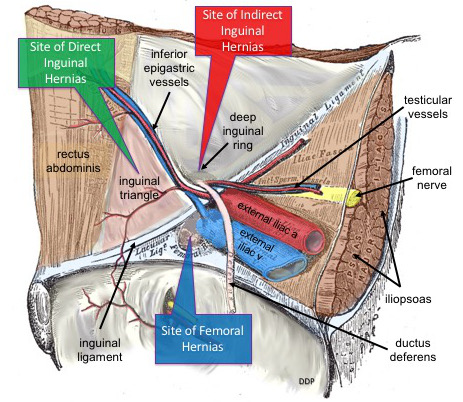
Inguinal Canal : Mnemonics
Walls of Inguinal Canal Mnemonic: SALP 2 X MALT Starting from superior, moving counterclockwise in order to posterior: 1. Superior (Roof): 2 Muscles (Internal oblique, Transverse abdominus) 2. Anterior: 2 Aponeuroses (External abdominal oblique, Internal abdominal oblique) 3. Lower (Floor): 2 Ligaments (Lacunar and Inguinal) 4. Posterior: 2 T‘s (conjoint…
PGMEE, MRCS, USMLE, MBBS, MD/MS
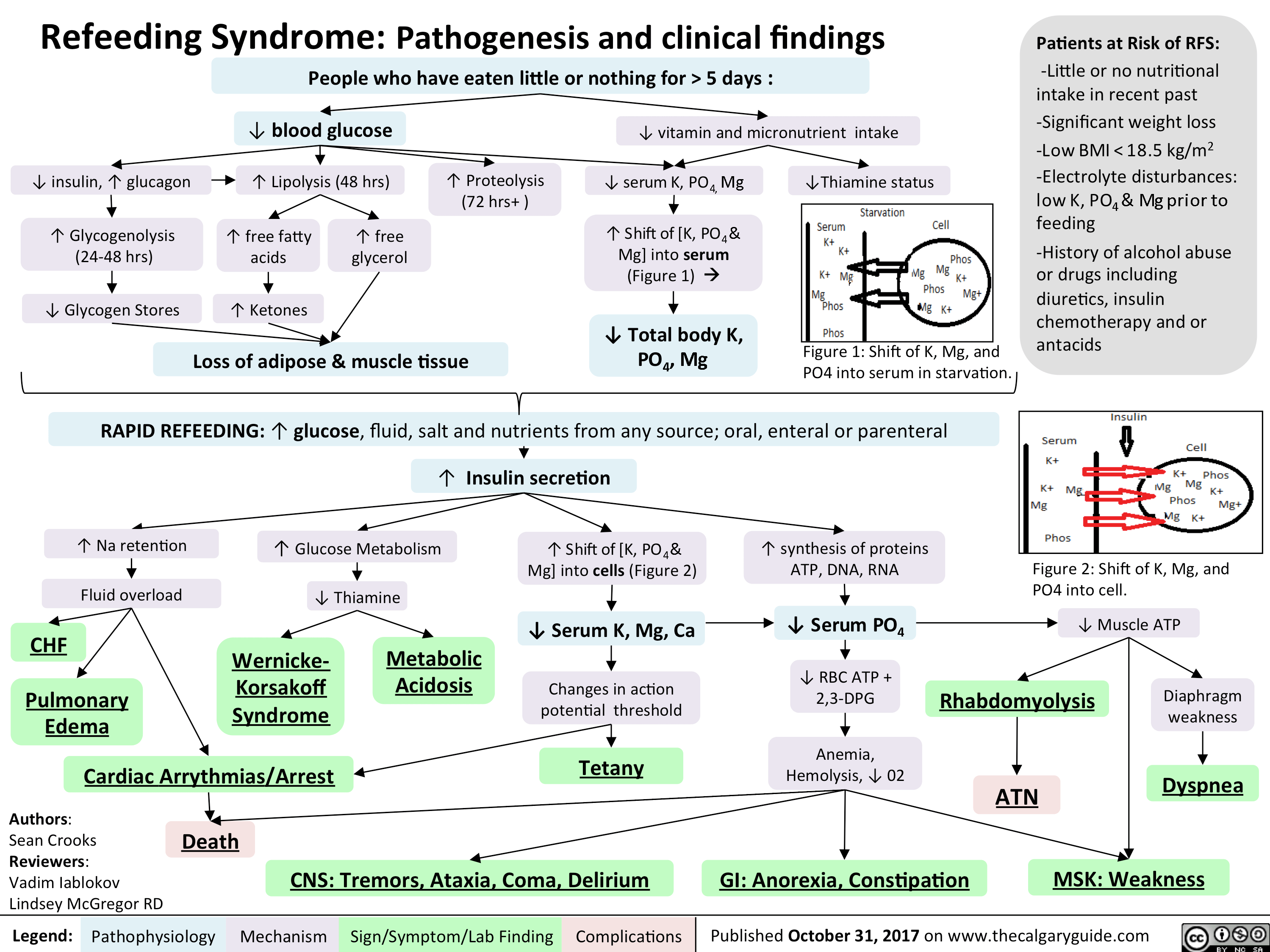
Refeeding Syndrome : Mnemonics
Risk factors Mnemonic: ABCD Pathophysiology Mnemonic: PPM Malnourished (depleted intracellular Phosphate, Potassium, Magnesium) → Refeeding → Increased glucose load → Insulin spikes → Drives PPM into cells → Hypophosphatemia (major abnormality), hypokalemia, hypomagnesemia Prevention If patient hasn’t not eaten for >5 days, aim to refeed at <50% energy and protein…
PGMEE, MRCS, USMLE, MBBS, MD/MS
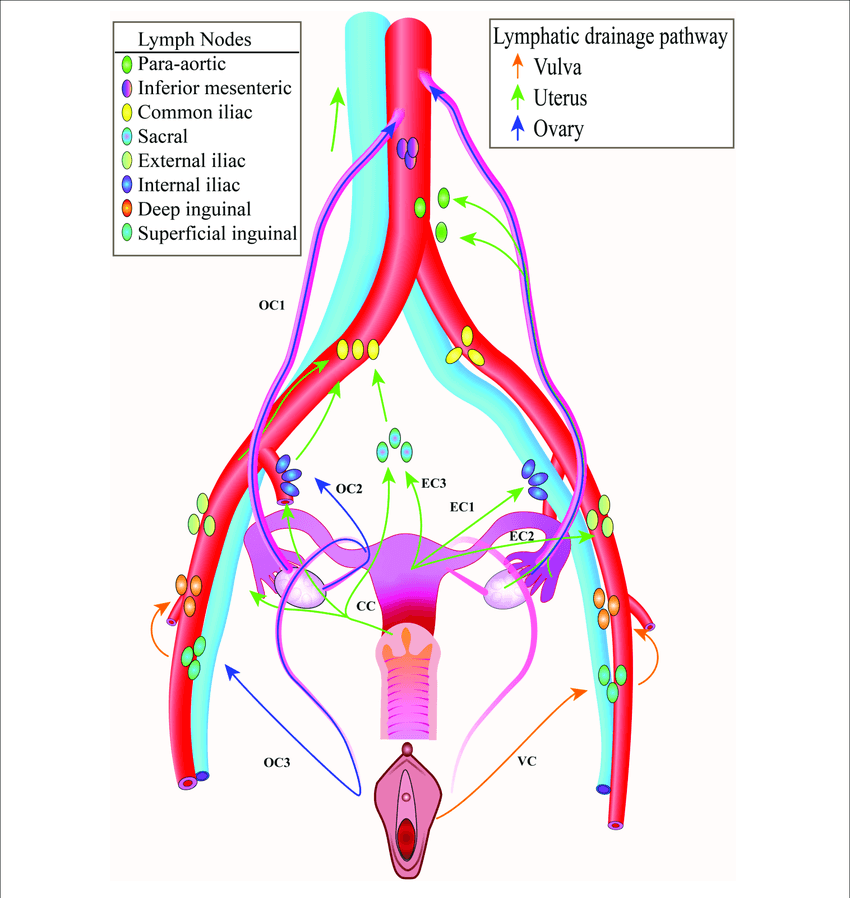
Pelvic Lymphatic Drainage
1. Para-aortic (lumbar) nodes: Gonads (derive blood supply from kidneys) 2. Inferior mesenteric nodes: As of blood supply – to the structures derived from hindgut 3. Common iliac nodes: Receives external and internal iliac nodes; Drains into para-aortic nodes 4. Superficial inguinal nodes: Everything that can be touched with fingers…
PGMEE, MRCS, USMLE, MBBS, MD/MS
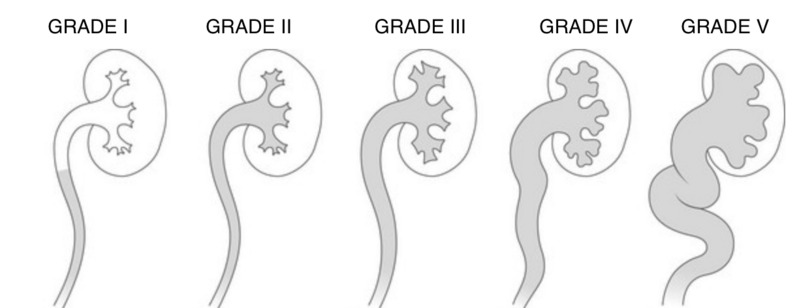
Vesicoureteric reflux (VUR) Grading : Mnemonic
Mnemonic: Upset Kidneys Drink Their Pee Grade 1: reflux up to Ureter (w/o dilation) Grade 2: reflux up to Kidneys (w/o dilation) Grade 3: Dilation (ureter/pelvis/calyces) Grade 4: Tortuosity (and worse dilation) Grade 5: Papillary impression loss Source: Tweet from Ben Abelson
PGMEE, MRCS, USMLE, MBBS, MD/MS
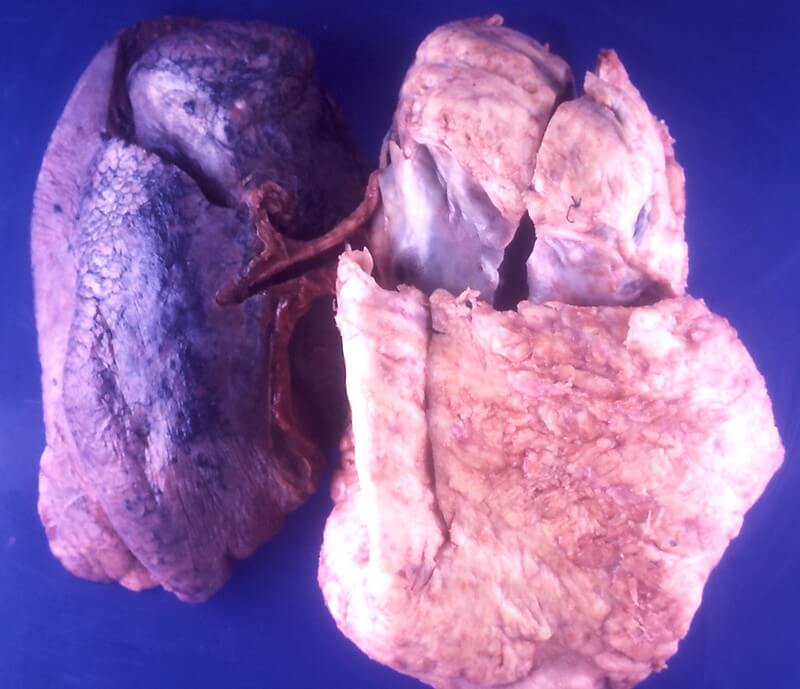
Lung Cancer : Mnemonics
Types Most common cancer: Metastases Primary lung cancer: Type Frequency Location Association Features Small (oat) cell carcinoma 15% Sentral (central) Smoker Neuroendocrine differentiation (Kulchitsky cells)Aggressive (disseminate early – lymphadenopathy)Paraneoplastic syndrome (ACTH, ADH, Antibodies – Lambert eaton)InoperableChemosensitive Adenocarcinoma 40% Peripheral Non-smoker (most common) k-Ras, EGFR, ALK mutationsNodule/massHypertrophic osteoarthropathy (clubbing)Bronchio-alveolar subtype (pneumonia-like):…
PGMEE, MRCS, USMLE, MBBS, MD/MS
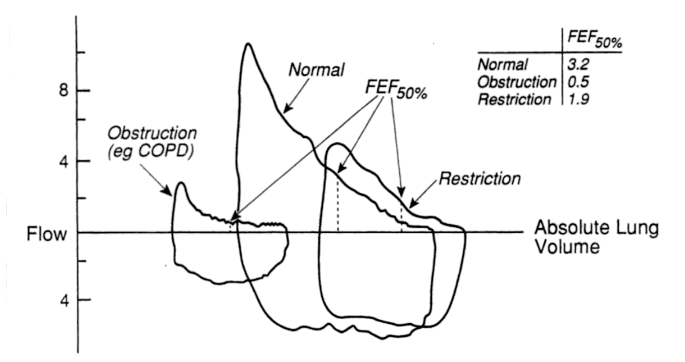
Flow-Volume Loop : Mnemonics
The flow-volume loop is a plot of inspiratory and expiratory flow (on the Y-axis) against volume (on the X-axis) during the performance of maximally forced inspiratory and expiratory maneuvers. Condition Mnemonic Flow-volume loop Features Obstructive lung disease (small airways) Shift to leftConcave/Scooped out expiratory flow (↓FEV 25-75%) ↑TLC and RV↓FEV1…