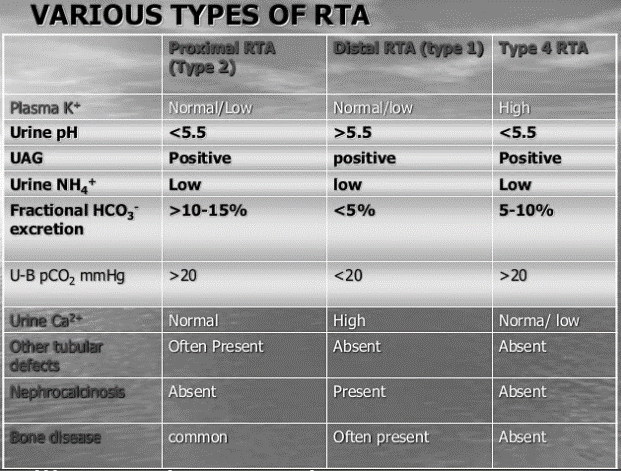
Renal Tubular Acidosis (RTA) cause non-anion gap metabolic acidosis. Type 1: H+ excretion defect (A proton or 1st element of periodic table) This occurs in distal tubule (hence, distal defect) K+ is excreted instead of H+ causing Hypokalemia. Distal tubule H+ is non-functioning – urine pH >5.5. Chronic acidosis leads…
Category: PGMEE, MRCS, USMLE, MBBS, MD/MS
Medical knowledge in bullet points with understandable language, simplified images and graspable mnemonics.
PGMEE, MRCS, USMLE, MBBS, MD/MS
Pelvis X-ray : Simplified Approach
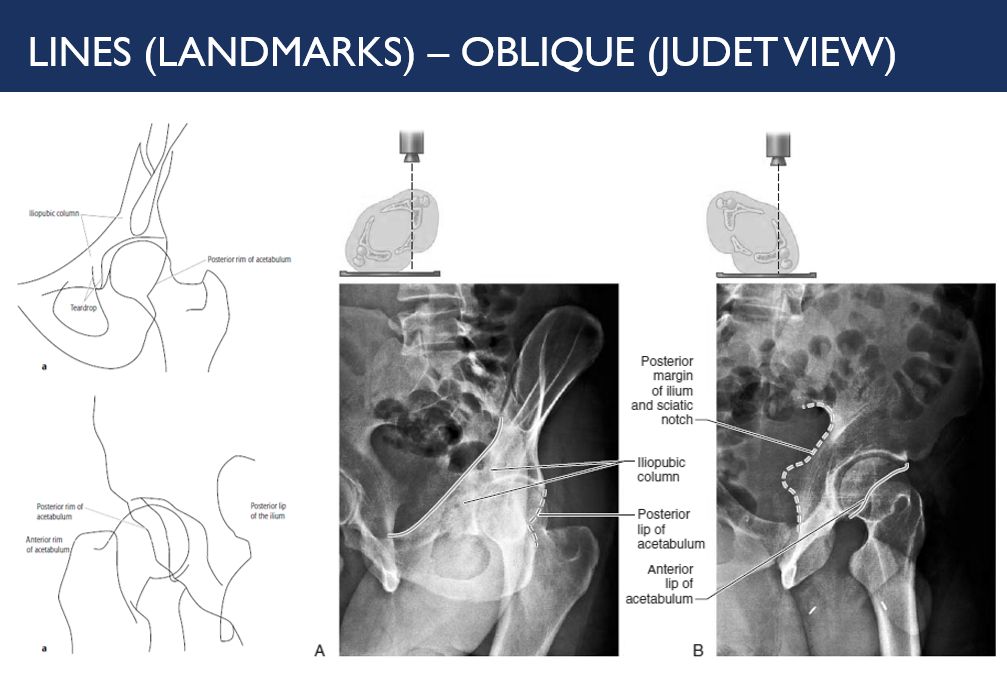
Views AP pelvis: patient supine and the x-ray beam oriented 90 degrees to the patient’s long axis, passing through the patient from anterior to posterior Pubic symphysis and coccyx in straight line in middle of screen with 1-3cm between superior pubic symphysis and tip of coccyx Greater and lesser trochanters…
PGMEE, MRCS, USMLE, MBBS, MD/MS
Nipah virus
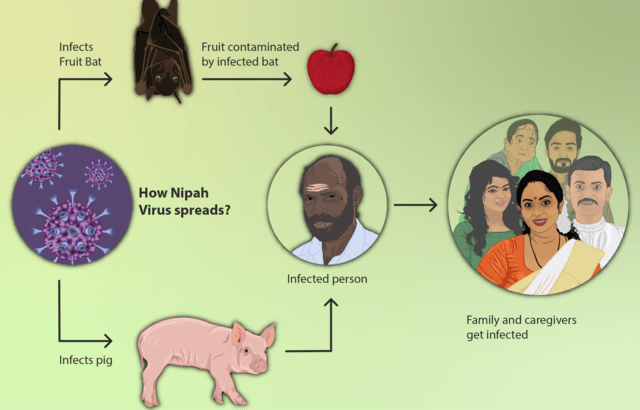
Nipah virus is closely related to, but distinct from Hendra virus. Family: Paramyxoviridae Genus: Henipavirus History: A Nipah epidemic of viral encephalitis, complicated by respiratory failure, occurred in Malaysia in 1998 and 1999, causing 265 infections and 105 fatalities (93% had occupational exposure to pigs). An associated outbreak among abbatoir…
PGMEE, MRCS, USMLE, MBBS, MD/MS

Definition of terms in Psychiatry
1. Speech: Ideas, thoughts, feelings expressed through language 2. Emotion: Complex phenomenon involving reactions in 3 different components: Feeling experienced by subject (joy, sadness, anger) Behavioral (expressive component) Autonomic and endocrine component 3. Affect: Objective outward expression of the immediate cross-section emotion at a given time 4. Mood: Sustained pervasive…
PGMEE, MRCS, USMLE, MBBS, MD/MS
Proptosis : Mnemonic based Approach
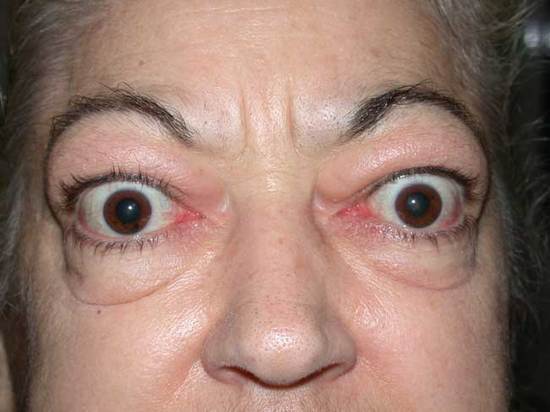
Proptosis refers to the forward displacement of the eyeball beyond the orbital margin with the patient looking straight ahead. The term “Exopthalmos” is reserved for bilateral proptosis or proptosis due to thyroid eye disease. Proptosis can be evaluated using a mnemonic 15 “P”s. A) Pseudoproptosis ruled out: 1. Enlarged globe:…
PGMEE, MRCS, USMLE, MBBS, MD/MS
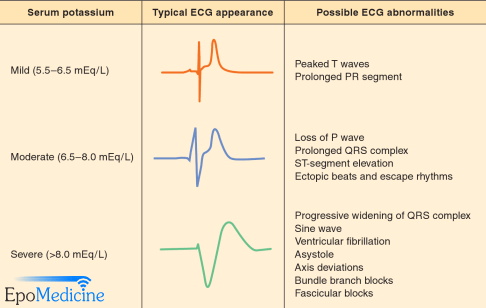
Hyperkalemia Management – Mnemonic Approach
Mnemonic: C BIG K D Calcium gluconate (Cardiac stabilizer) It is generally accepted that calcium should be given when there are ECG changes associated with hyperkalaemia. Calcium gluconate 10% 10-30 ml IV (1-3 gm) over 5-10 minutes (Can be repeated after 5 minutes if ECG changes persistent) 0.5 ml/kg in…
PGMEE, MRCS, USMLE, MBBS, MD/MS
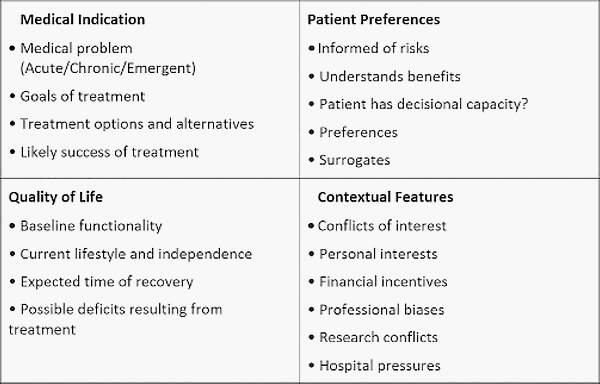
4 Box Model for Clinical Decision Making
Remember the 4 Cs: Clinical indication (Principle of Benevolence and Non-maleficence) Choice of patient (Principle of respect for Autonomy) Contextual features (Principle of Loyalty and Fairness) Condition (quality) of life (Principle of Benevolence, Non-maleficence and respect for Autonomy) A 5th box can be added: Catholic perspective Example: Clinical indications 18…
PGMEE, MRCS, USMLE, MBBS, MD/MS
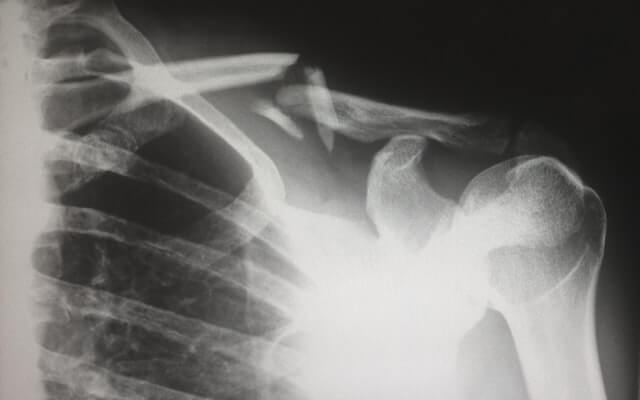
Complications of Fractures
This is a tabulated compilation for complications of fractures in general which can be immediate, early or delayed and local or generalized/systemic. This topic is commonly tested in exams. Local Systemic Immediate 1. Soft tissue injuries (Skin, Nerve, Vessels, Muscle-tendon) 2. Physeal injury 3. Hemarthrosis 4. Local visceral injury 1….