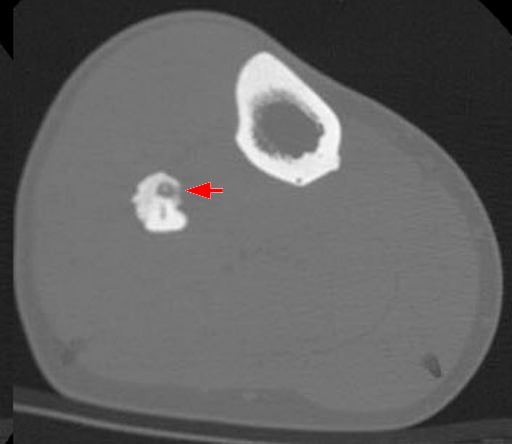
Epidemiology and Clinical features Mnemonic: LMNOP Lower extremity predilection (proximal femur > tibial diaphysis) Male predilection (2:1 to 3:1) Night pain relieved by NSAIDs (absent in osteoblastoma) Osteogenic benign tumor Prostaglandins (PGE2) and Cyclooxygenase (COX1 and 2) release by nidus (explains night pain and response to NSAIDs) 3 Concentric layers…
Category: PGMEE, MRCS, USMLE, MBBS, MD/MS
Medical knowledge in bullet points with understandable language, simplified images and graspable mnemonics.
PGMEE, MRCS, USMLE, MBBS, MD/MS
Pregabalin vs Gabapentin
Both pregabalin and gabapentin are GABA analogues that bind to presynaptic neuron’s voltage-gated calcium channels (VGCC), specifically to the alpha-2-delta protein leading to reduced calcium influx at the nerve terminals. This leads to reduced release of excitatory neurotransmitters. Though the compounds are similar they have few important differences that must…
PGMEE, MRCS, USMLE, MBBS, MD/MS
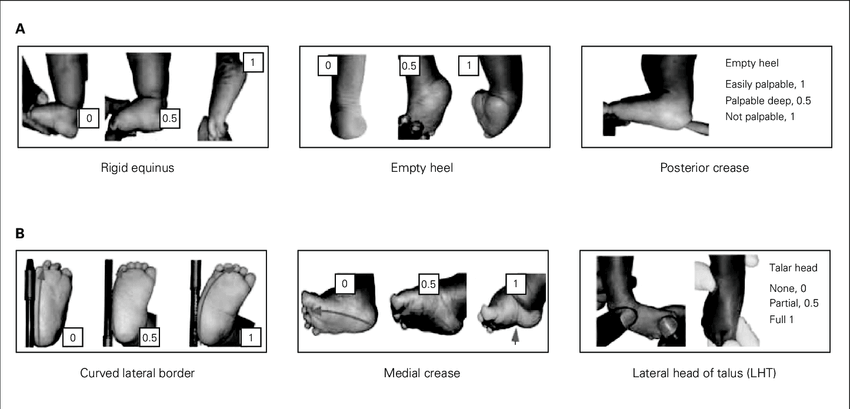
Pirani Score and Dimeglio Classification for Clubfoot Assessment
Pirani socre Pirani score for assessment of clubfoot (CTEV) consists of 6 parameters (3 each in midfoot and hindfoot) which is scored as 0, 0.5 or 1 with a maximum possible score of 6. The parameters can be remembered using the mnemonic: PER TOM Posterior crease Empty heel Rigid equinus…
PGMEE, MRCS, USMLE, MBBS, MD/MS
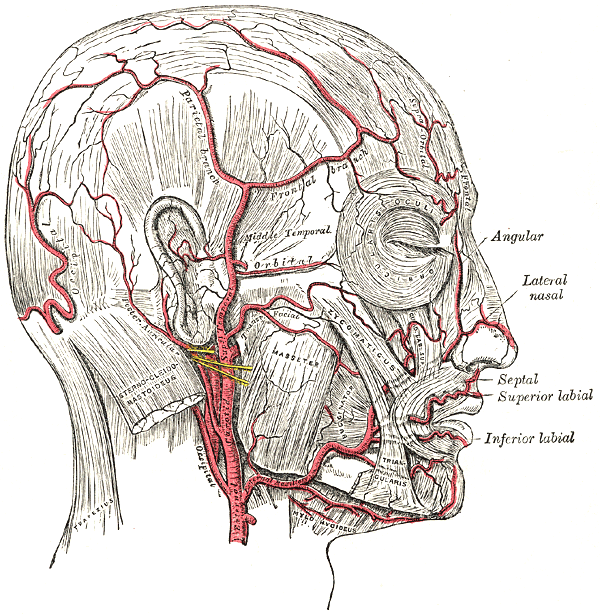
Temporal Arteritis : Mnemonic
The 1990 ACR criteria for temporal arteritis can be remembered using the mnemonic: TEMPL3 T: Temporal artery abnormality (Tenderness or reduced pulse) E: Elevated ESR (50 mm/hr or more) M: Multinucleate giant cells (Present on biopsy) P: Pain (New onset localized headache) L: Later life (Age 50 years or over…
PGMEE, MRCS, USMLE, MBBS, MD/MS
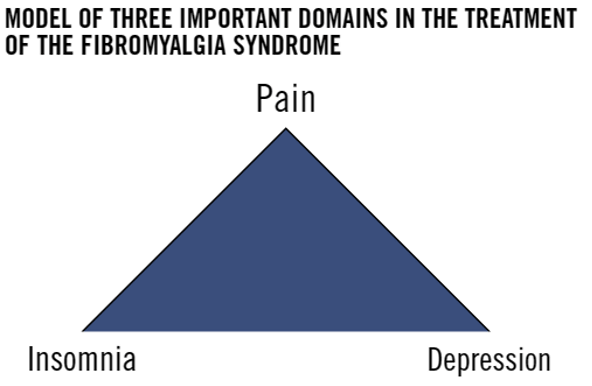
Fibromyalgia : Mnemonic Approach
Clinical Features Mnemonic: FIBRO 1. Fatigue: 80-90% 2. Fibrofog: Dyscognition or Cognitive impairment e.g. trouble concentrating, forgetfulness, and disorganized or slow thinking 3. Insomnia: 90% 4. Blues: Depression and anxiety 5. Rigidity: Prolonged early morning stiffness not relieved by exercise and absence of synovitis 6. Ow!: Pain (the predominant symptom)…
PGMEE, MRCS, USMLE, MBBS, MD/MS
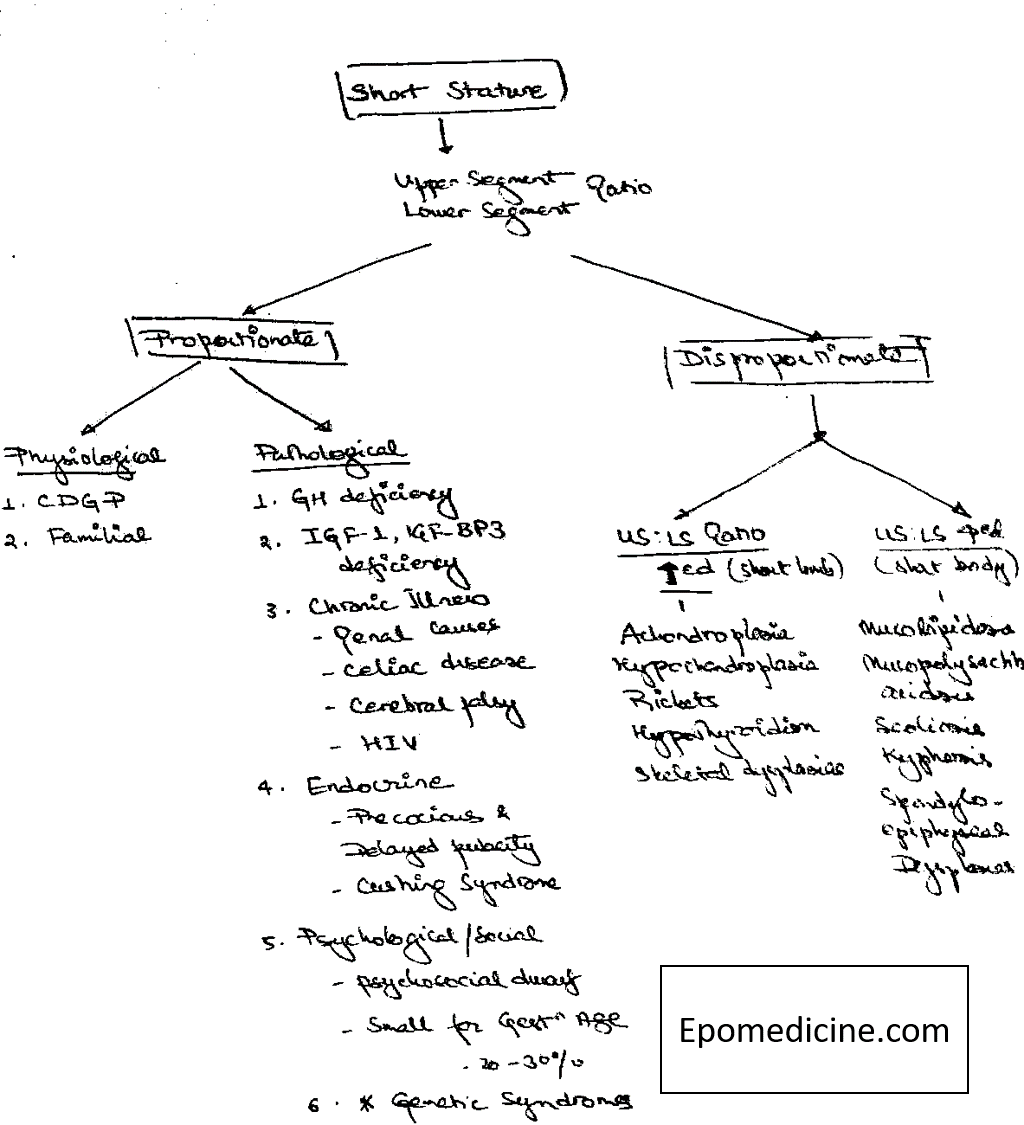
Approach to a Child with Short Stature
Definition of Short Stature Short stature refers to the height below 3rd Centile or 2 Standard Deviations (-2 SD) or more below the mean height for chronological age and gender for the standard population. When height is >-3 SD it’s most likely pathological. Assessment of Short stature 1. Accurate height…
PGMEE, MRCS, USMLE, MBBS, MD/MS
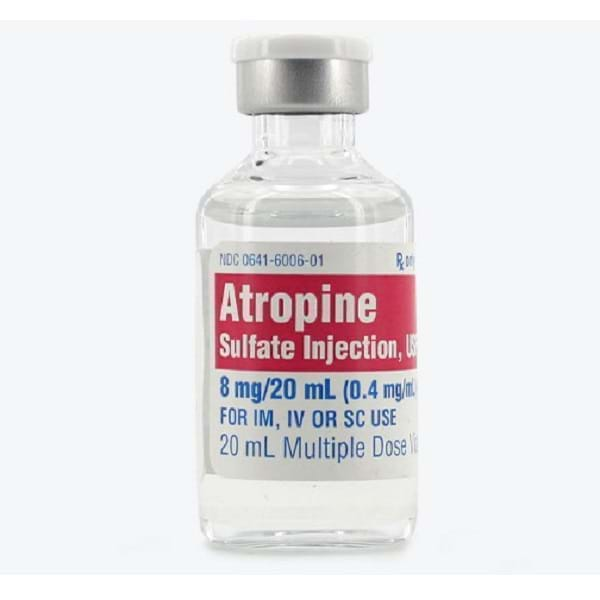
Atropine Induced Paradoxical Bradycardia
Atropine induced paradoxical bradycardia is the sinus bradyarrhythmia following low-dose atropine resulting from the paradoxical slowing in the sinoatrial (SA) node discharge rate. Mechanism of Atropine Induced Paradoxical Bradycardia Central vagotonic effect (blocking M1 acetylcholine receptors in parasympathetic ganglion controlling SA node) of atropine which, at higher doses, is masked…
PGMEE, MRCS, USMLE, MBBS, MD/MS
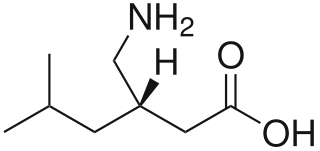
Pregabalin : Pharmacology
Pharmacokinetics After oral ingestion, Pregabalin is rapidly absorbed (Tmax 1.3 hr) Bioavailability is >90% and independent of dose Pregabalin is NOT protein bound Vd is 0.4 L/kg Serum pregabalin concentrations are linearly related to dosage Pregabalin is NOT metabolized Pregabalin is primarily excreted unchanged in urine (98%) with a clearance…