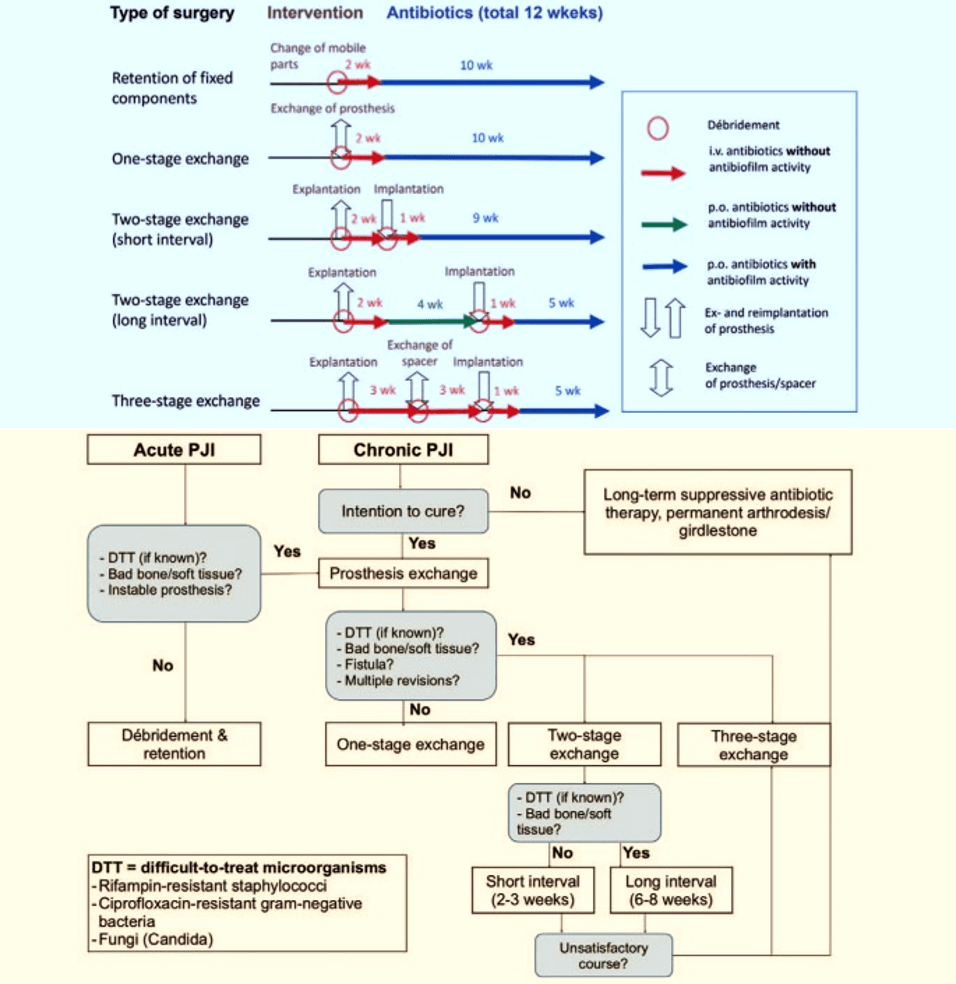
Key concept Irrigation and debridement with polyethylene insert exchange (IDPE) or Open debridement and polyethylene insert exchange (ODPE) is a form of DAIR (Debridement, Antibiotics and Implant Retention) used for selected acute periprosthetic joint infections (PJI) after TKA. When to consider and when not to consider IDPE or ODPE? Favorable…
Category: Fellowship Blog
Fellowship Blog
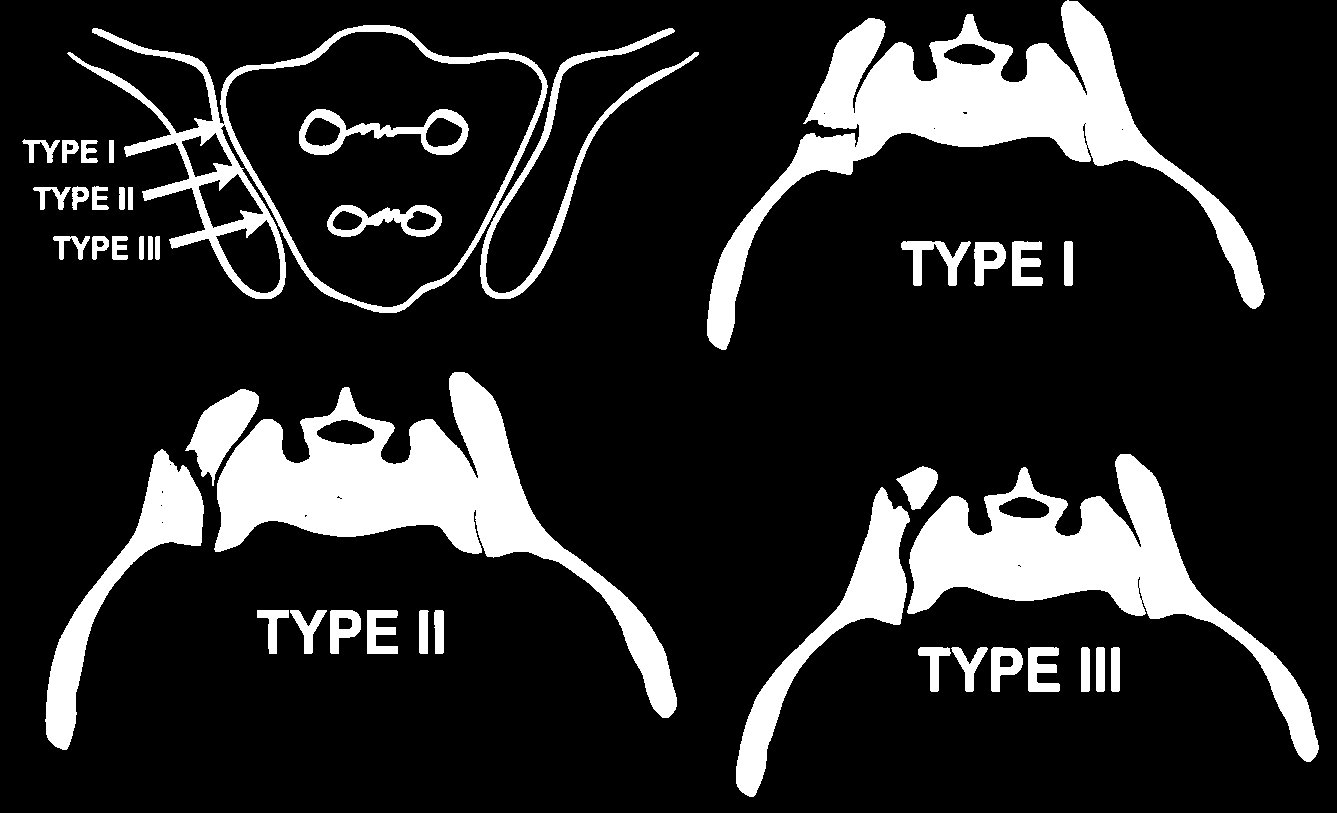
Crescent Fractures (Trans-iliac Fracture Dislocation of Sacroiliac Joint)
Definition: Transiliac fracture dislocation of the SI joint, which combines a ligamentous disruption of the inferior part of the SI joint with a vertical fracture line of the posterior ilium, extending from the SI joint and reaching the iliac crest at different levels. The posterior superior iliac spine (PSIS) remains…
Fellowship Blog
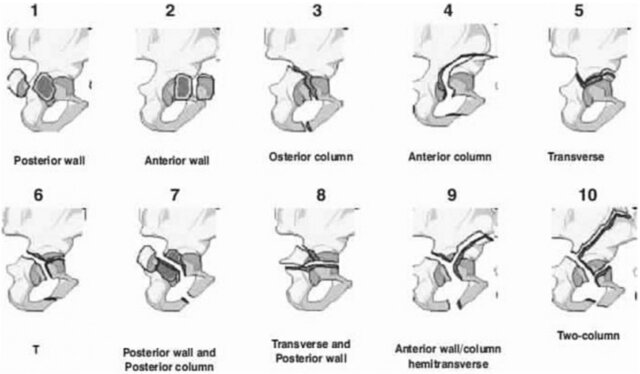
Letournel and Judet Classification of Acetabulum Fractures and Simplified Algorithm
5 Simple or Elementary fracture types: 20% of acetabular fractures 5 Combined fracture types: 80% of acetabular fractures Algorithm for acetabular fracture classification Iliopectineal/Ilioischial line breakage Obturator ring (inferior pubic ramus) Posterior wall Ilium Spur sign Fracture classification Isolated iliopectineal line Intact Anterior wall (AW) Broken Anterior column (AC) Isolated…
Fellowship Blog
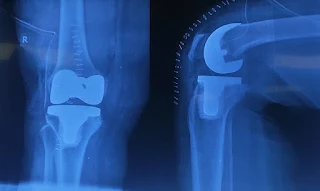
Total Knee Arthroplasty (TKA) in Obese Patients
Nearly 50–60% of patients undergoing total knee arthroplasty (TKA) are obese, making obesity one of the most important factors influencing perioperative planning and outcomes. These obese patients often require TKA at a younger age. It is a major risk factor for knee osteoarthritis due to: High BMI can be classified…
Fellowship Blog
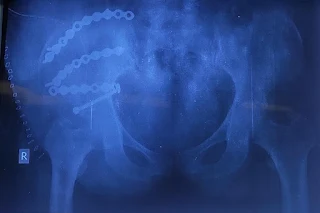
Fixing the Wing: ORIF of an Iliac Wing Fracture Using the Lateral Window of Anterior Approach
Today’s case involved a 63-year-old female presenting with a right iliac wing fracture (Tile A2) and a left distal radius fracture following trauma. The pelvic injury was managed with open reduction and internal fixation using reconstruction plates and a screw via the lateral window of the anterior approach. The distal…
Fellowship Blog
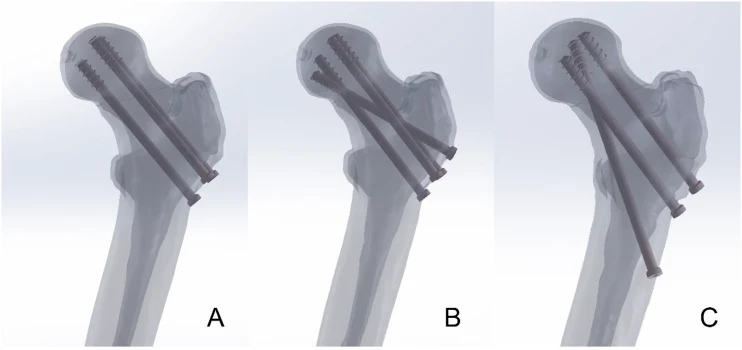
Learnings from a CRIF with CCS for Neck of Femur Fracture without Fracture Table
We operated on a 3-day-old left neck of femur (NOF) fracture in a 40-year-old male, performing a closed reduction and internal fixation (CRIF) with cannulated cancellous screws (CCS). The surgery was done without a fracture table, with the patient in supine position on a standard operating table. During intraoperative positioning…
Fellowship Blog
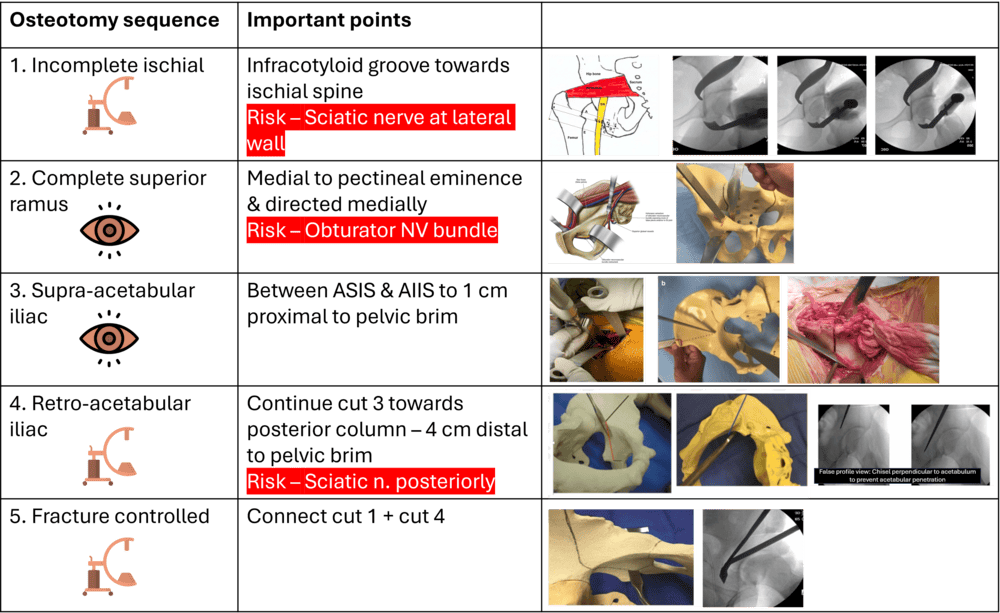
Periacetabular Osteotomy (PAO)
Synonyms: Bernese osteotomy, Ganz osteotomy Introduced by: Dr. Reinhold Ganz in 1984 in Bern, Switzerland Definition: Outcome of 1st Ganz cohort in 30 years followup: Authors Follow-up Journal No. of patients (hips) Survivorship K.A Sienbrock et.al. 10 years CORR 1999 63 (75) 80-90% Simon D et.al. 20 years CORR 2008…
Fellowship Blog
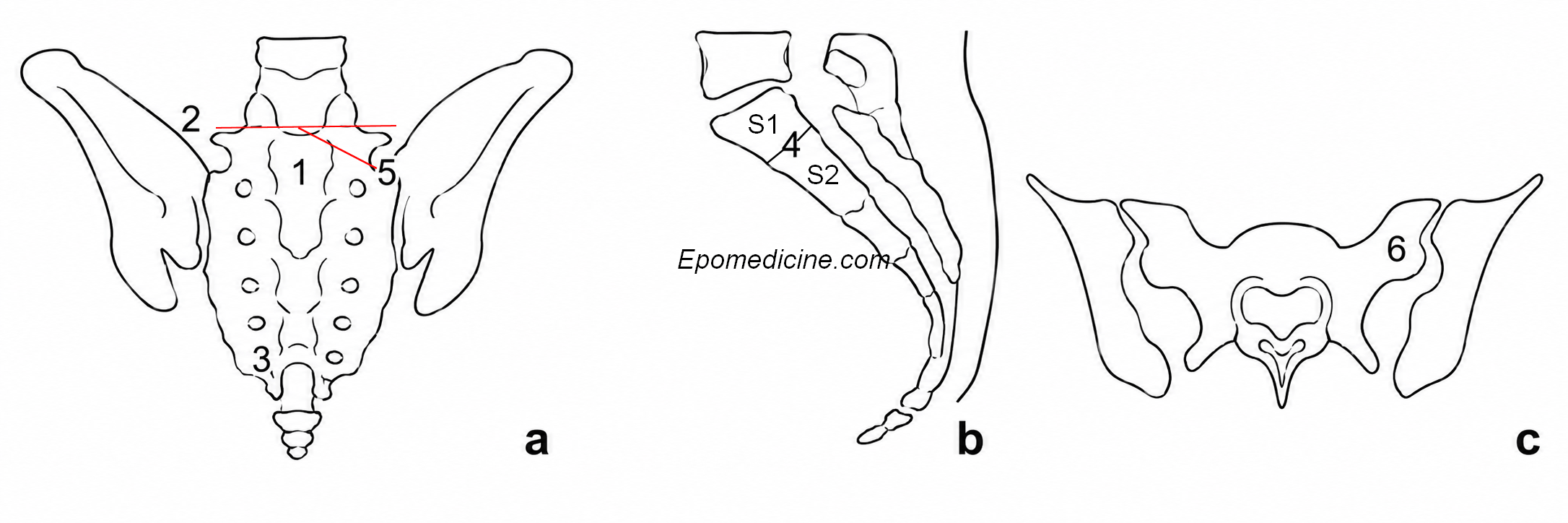
Sacral Dysmorphism
Upper sacral segment dysplasia refers to a sacral phenotype in which the size and orientation of the upper sacral segment doesn’t allow safe passage of a trans-iliac, trans-sacral screw and characterized by one or more of the following features/criteria:1 Criteria Projection Frequency Acute alar slope (qualitative criteria without cut-off value)…