Skip to content
Epomedicine

Mnemonics, Simplified Concepts & Thoughts

Epomedicine

Mnemonics, Simplified Concepts & Thoughts

Polyethylene Insert Exchange for Acute PJI After TKA: Indications, Timing & Outcomes

Dr. Sulabh Kumar Shrestha, MS Orthopedics, Sep 13, 2026Sep 13, 2026

Key concept

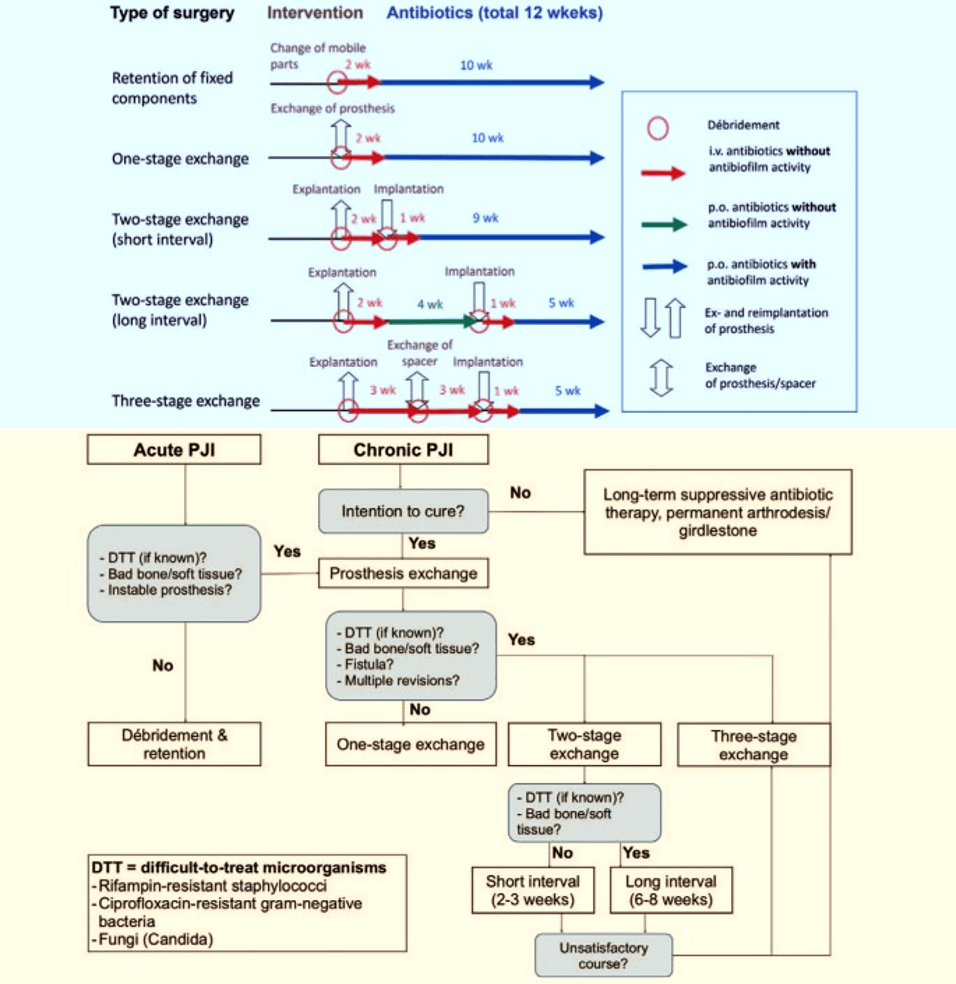
Irrigation and debridement with polyethylene insert exchange (IDPE) or Open debridement and polyethylene insert exchange (ODPE) is a form of DAIR (Debridement, Antibiotics and Implant Retention) used for selected acute periprosthetic joint infections (PJI) after TKA.

When to consider and when not to consider IDPE or ODPE?

FavorableUnfavorable
Acute PJI, duration ideally ≤2 weeksChronic/Late PJI
No sinus tractSinus tract
Mechanically stable componentsComponent loosening
Wound can be adequately closedWound cannot be closed adequately
Appropriate antimicrobial therapy can be administeredHighly virulent organisms like MRSA, MRSE, Pseudomonas
Frail or elderly patientsSignificant patient/systemic risk factors

Timing is critical: success decreases substantially as symptom duration increases.

Tibial insert exchange and single-stage revision may be acceptable in frail or elderly patients who may not tolerate the morbidity of two-stage revision, despite the higher risk of revision for repeat infection.

Evidence for timing

Timing / selectionReported success
Within 2 weeks82%
>2 weeks50%
Very early intervention (≤5 days)88%

Possible adjuncts

Reported adjunctive strategies to improve infection control after IDPE/ODPE include:

  • Povidone iodine lavage + Vancomycin powder (Riesgo et.al.): After final polyethylene insertion –
    • Step 1: 0.35% dilute povidone iodine lavage
    • Step 2: 1 litre NS lavage
    • Step 3:1 gram vancomycin instillation
  • Antibiotic beads (Estes et.al.): 2 stage debridement
    • Debridement and Implant retention + Antibiotic beads in 1st stage
    • Beads removal and Polyethylene exchange within 2 days as 2nd stage
    • Only 12.5% re-revision required at a minimum follow-up of 1.2 years

Reference: Moses AM, Cushing ME, Fawcett MA, Dohse N, Adigweme OO, Ledford CK. Isolated Polyethylene Exchange in Revision Total Knee Arthroplasty: A Review of Indications and Outcomes. J Clin Med. 2025 Sep 25;14(19):6779. doi: 10.3390/jcm14196779. PMID: 41095857; PMCID: PMC12524850.

dr. sulabh kumar shrestha
Dr. Sulabh Kumar Shrestha, MS Orthopedics

He is the section editor of Orthopedics in Epomedicine. He searches for and share simpler ways to make complicated medical topics simple. He also loves writing poetry, listening and playing music. He is currently pursuing Fellowship in Hip, Pelvi-acetabulum and Arthroplasty at B&B Hospital.
  • Facebook
  • Twitter
Fellowship Blog ArthroplastyOrthopedics

Post navigation

Previous post
Next post

Related Posts

Fellowship Blog

Approach to Pelvic Ring Injury Classification

Mar 4, 2026Mar 4, 2026

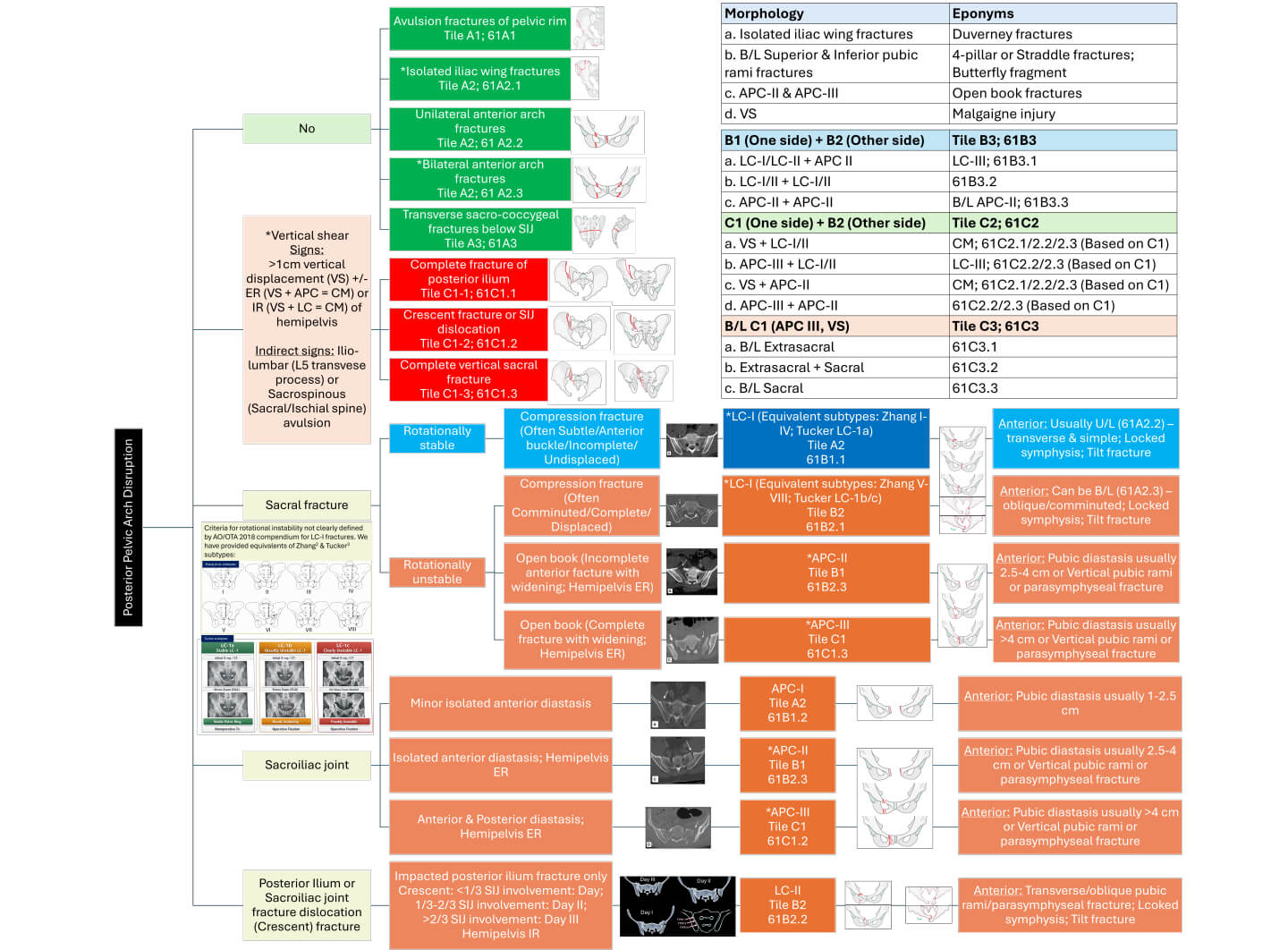
Introduction Existing Young-Burgess (YB), Tile & AO/OTA classification systems for pelvic ring fractures demonstrate inconsistent and often only fair-to-moderate inter-observer reliability (kappa = 0.30–0.79), creating diagnostic variability that can impact treatment planning and communication among orthopedicians.1 A clear, stepwise, unified algorithm could improve trainee education, standardize radiographic interpretation, and aid…

Read More
Fellowship Blog

Periacetabular Osteotomy (PAO)

May 18, 2026May 20, 2026

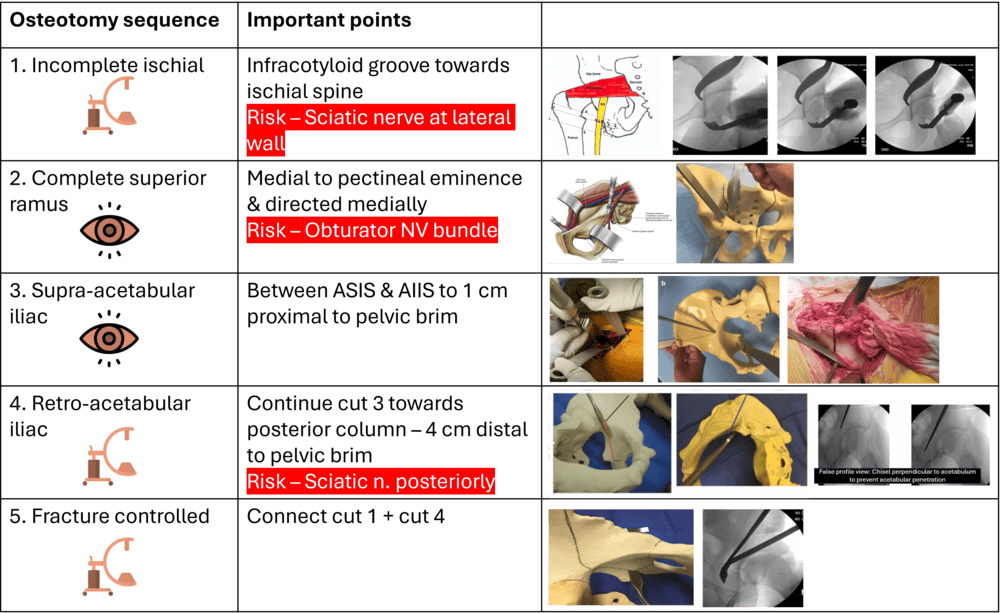
Synonyms: Bernese osteotomy, Ganz osteotomy Introduced by: Dr. Reinhold Ganz in 1984 in Bern, Switzerland Definition: Outcome of 1st Ganz cohort in 30 years followup: Authors Follow-up Journal No. of patients (hips) Survivorship K.A Sienbrock et.al. 10 years CORR 1999 63 (75) 80-90% Simon D et.al. 20 years CORR 2008…

Read More
Fellowship Blog

Sacral Dysmorphism

May 11, 2026

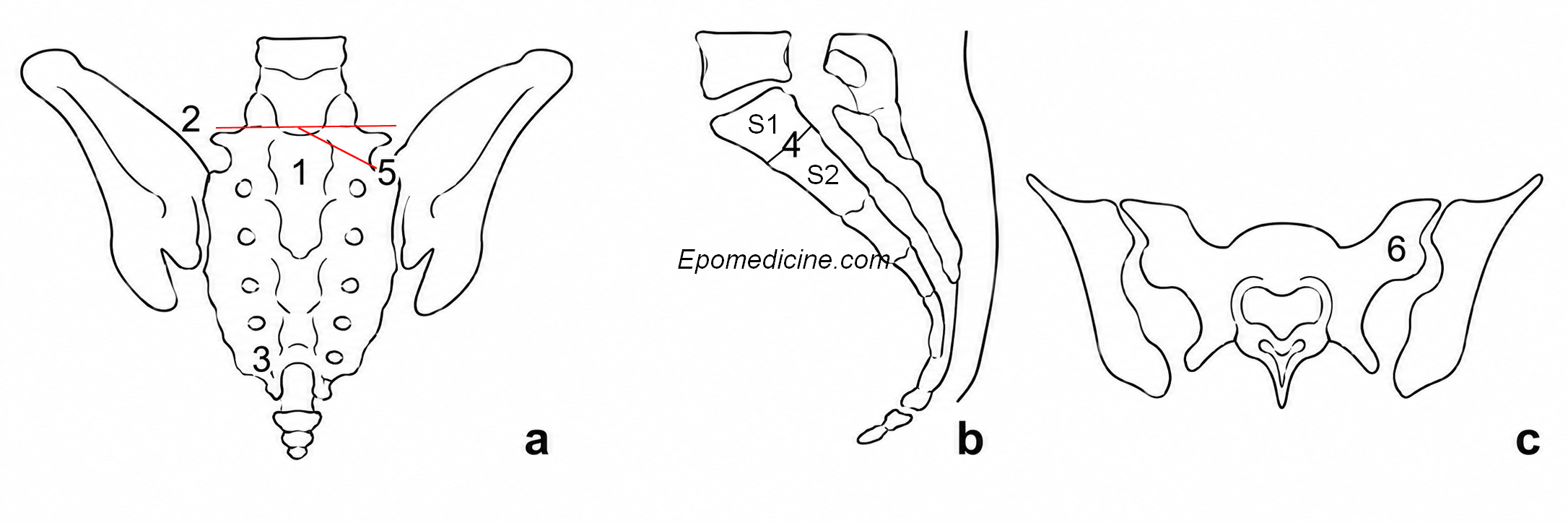
Upper sacral segment dysplasia refers to a sacral phenotype in which the size and orientation of the upper sacral segment doesn’t allow safe passage of a trans-iliac, trans-sacral screw and characterized by one or more of the following features/criteria:1 Criteria Projection Frequency Acute alar slope (qualitative criteria without cut-off value)…

Read More

Leave a Reply Cancel reply

Your email address will not be published. Required fields are marked *

This site uses Akismet to reduce spam. Learn how your comment data is processed.

Shrestha SK. Polyethylene Insert Exchange for Acute PJI After TKA: Indications, Timing & Outcomes [Internet]. Epomedicine; 2026 Sep 13 [cited 2026 Oct 10]. Available from: https://epomedicine.com/fellowship-blog/polyethylene-insert-exchange-for-acute-pji-after-tka-indications-timing-outcomes/.

Pre-clinical (Basic Sciences)

Anatomy

Biochemistry

Community medicine (PSM)

Embryology

Microbiology

Pathology

Pharmacology

Physiology

Clinical Sciences

Anesthesia

Dermatology

Emergency medicine

Forensic

Internal medicine

Gynecology & Obstetrics

Oncology

Ophthalmology

Orthopedics

Otorhinolaryngology (ENT)

Pediatrics

Psychiatry

Radiology

Surgery

RSS feed: Ask Epomedicine Ask Epomedicine

  • What to study for Clinical examination in Orthopedics?
  • What is the mechanism of AVNRT?

Epomedicine weekly

  • About Epomedicine
  • Contact Us
  • Author Guidelines
  • Submit Article
  • Editorial Board
  • USMLE
  • MRCS
  • Thesis
©2026 Epomedicine | WordPress Theme by SuperbThemes