Skip to content
Epomedicine

Mnemonics, Simplified Concepts & Thoughts

Epomedicine

Mnemonics, Simplified Concepts & Thoughts

milkmaids grip

Milkmaid’s grip in Chorea

Epomedicine, Jan 18, 2017Jan 19, 2017

Milkmaid’s Grip

milkmaids grip

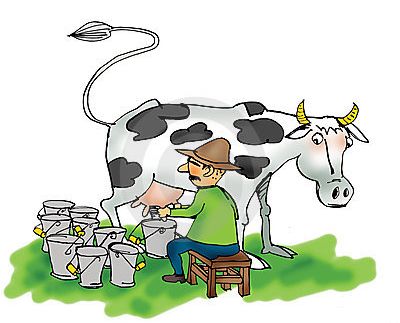
Milk maids grip is appreciated as an alternating squeezing and releasing of the finger like a milking motion, when asked to maintain a constant, firm grip of examiner’s fingers. This may reflect a combination of Chorea and Motor impersistence.1A Dictionary of Neurological Signs By A.J. Larner

As a result of poor grip, patients often involuntarily drop objects.

Characteristics of Choreiform movements

  1. Irregular, quasipurposive, non-rhythmical and involuntary hyperkinetic movements
  2. Usually affects distal muscles
  3. Aggravated by attention, excitement or stress
  4. Decreased in rest and disappear during sleep
  5. When mild, it may be mistaken for restlessness or fidgetiness

Other Examples of Motor Impersistence

Chorea doesn’t usually interfere with voluntary movements until it is severe. Rather than disrupting a voluntary task, it appears as if fragments of movements intrude; in some cases there is loss of motor tone, known as “motor impersistence”, which appears due to lapses in the ability to perform desired action.2Neurologic Differential Diagnosis: A Case-Based Approach edited by Alan B. Ettinger, Deborah M. Weisbrot

It is most commonly seen with lesions affecting the right hemisphere, especially central and frontal mesial regions. It is most often observed following vascular events but may also be seen in Alzheimer’s disease, frontal lobe dementia, and metabolic encephalopathies.3A dictionary of clinical neurological signs by A.J.Larner

1. Inability to maintain eye closure

2. ‘Jack in the box’ tongue:

  • Other names: Flycatcher’s tongue, Lizard’s tongue, Chamaleon tongue, Snake tongue, Adder tongue, Trombonist’s tongue, Harlequin’s tongue
  • Patient is unable to maintain tongue in protruded state and the tongue moves in and out.

Other hand signs in Sydenham’s or Rheumatic Chorea

1. Pronator sign: The patient is asked to hold outstretched hands above his head, the choretic patient tends to pronate his forearms.

2. Handwriting: Deterioration of handwriting; prognosis can be assessed by noting the improvement in the handwriting.

3. Choreic hands: Wrist is flexed and metacarpal joints are overextended.4Clinical Methods in Pediatrics by ML Kulkarni

Common Causes of Chorea

1. Most common form of childhood chorea: Sydenham’s chorea (A major criteria for Rheumatic fever)

  • Delayed manifestation of Rheumatic fever
  • May be the only manifestation of Rheumatic fever
  • More common in females
  • Age of onset is commonly 5-15 years (average 8-9 years)
  • Self-limiting in weeks to months (often in 8-9 months) but in 50% cases it can persist upto 2 years and even recur. 5Practical Neurology By José Biller
  • Characterized by chorea, hypotonia and emotional lability.

2. Most common form of adulthood chorea: Huntington’s chorea and Drug-induced chorea

Pathophysiology of Chorea

Site of lesion: Striatum (Putamen/Caudate nucleus)

For details about neurophysiology and neuropathology of basal ganglia, read here.

Aid for Diagnosis of Etiology of Chorea

1. Huntington’s disease: Assess mental status (early dementia)

2. Wilson’s disease: Kayser-Fleischer ring, Stigmata of chronic liver disease, and akinetic-rigid syndrome

3. Systemic Lupus Erythematosus (SLE): Butterfly skin rash, purpura and arthropathy

4. Polycythemia Rubra Vera: Facial plethora and splenomegaly

5. Thyrotoxicosis: Tremor, tachycardia, lidlag and goitre (may be present)

6. Drugs: Take a complete drug history6Clinical Medicine for the MRCP PACES: Volume 1: Core Clinical Skills By Gautam Mehta, Bilal Iqbal

  • Facebook
  • Twitter
Clinical Skills and Approaches Clinical examinationInternal medicineNervous systemPediatrics

Post navigation

Previous post
Next post

Related Posts

Clinical Skills and Approaches

Deep tendon reflexes

Sep 3, 2022Sep 3, 2022

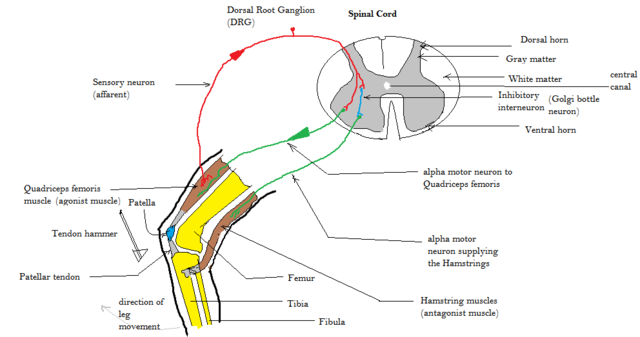
Deep tendon reflexes are monosynaptic reflexes integrated at lamina IX of the spinal cord. Deep tendon reflexes may be interpreted as: Normal Diminished or absent (hyporeflexia): Lower motor neuron lesions Exaggerated or clonus (hyper-reflexia): Upper motor neuron lesions Inverted or paradoxical: Damaged afferent pathway Name Spinal level Peripheral nerve Location…

Read More
Clinical Skills and Approaches nutritional history

Nutritional History Made Easy

Sep 5, 2015

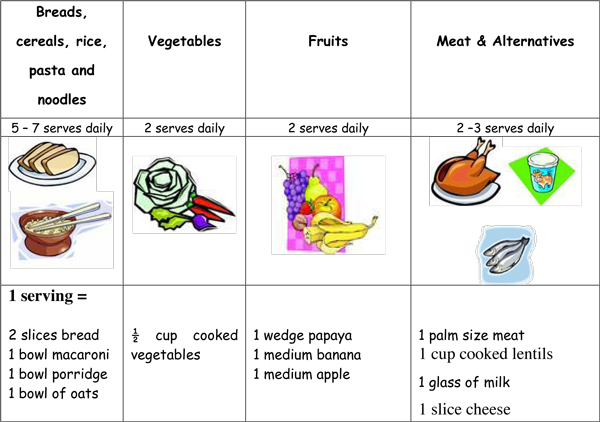
Energy Requirement 1. For a child with normal body weight: 100 Kcal/kg for 1st 10 kg Add 50 Kcal/kg for next 10 kg Add 20 Kcal/kg for body weight additional to 20 kgs 2. By age: For ≤ 1 year: 100 Kcal/kg/day Every additional years till puberty: Add 100 Kcal/year…

Read More
Clinical Skills and Approaches

Ten Diagnostic Dilemmas in Neonatal Meningitis

Jun 28, 2020Jun 28, 2020

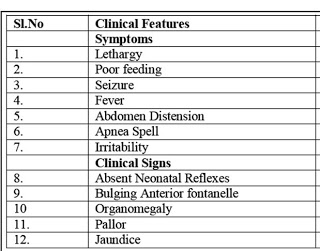
Incidence the global incidence of neonatal sepsis at 5–6 per 1000 live births and that of meningitis at 0.7–1 (2.4–16 in South and South-East Asia, 6–21 in sub-Saharan Africa, and 1.8–12 in the Middle East and North Africa) Causative Agents : Group B streptococci  Escherichia coli  Klebsiella pneumoniae  Streptococcus pneumoniae …

Read More

Leave a Reply Cancel reply

Your email address will not be published. Required fields are marked *

This site uses Akismet to reduce spam. Learn how your comment data is processed.

Epomedicine. Milkmaid’s grip in Chorea [Internet]. Epomedicine; 2017 Jan 18 [cited 2026 Aug 12]. Available from: https://epomedicine.com/clinical-medicine/milkmaids-grip-chorea/.

Pre-clinical (Basic Sciences)

Anatomy

Biochemistry

Community medicine (PSM)

Embryology

Microbiology

Pathology

Pharmacology

Physiology

Clinical Sciences

Anesthesia

Dermatology

Emergency medicine

Forensic

Internal medicine

Gynecology & Obstetrics

Oncology

Ophthalmology

Orthopedics

Otorhinolaryngology (ENT)

Pediatrics

Psychiatry

Radiology

Surgery

RSS Ask Epomedicine

  • What to study for Clinical examination in Orthopedics?
  • What is the mechanism of AVNRT?

Epomedicine weekly

  • About Epomedicine
  • Contact Us
  • Author Guidelines
  • Submit Article
  • Editorial Board
  • USMLE
  • MRCS
  • Thesis
©2026 Epomedicine | WordPress Theme by SuperbThemes