Skip to content
Epomedicine

Mnemonics, Simplified Concepts & Thoughts

Epomedicine

Mnemonics, Simplified Concepts & Thoughts

protein-c-s mnemonic

Protein C and S pathway – Mnemonic

Dr. Sulabh Kumar Shrestha, MS Orthopedics, May 23, 2019May 23, 2019
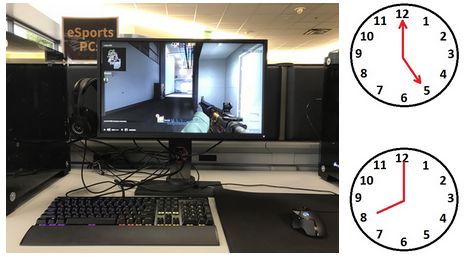
Mnemonic: Time To Play Counter Strike (CS) at 5 and 8 o’clock

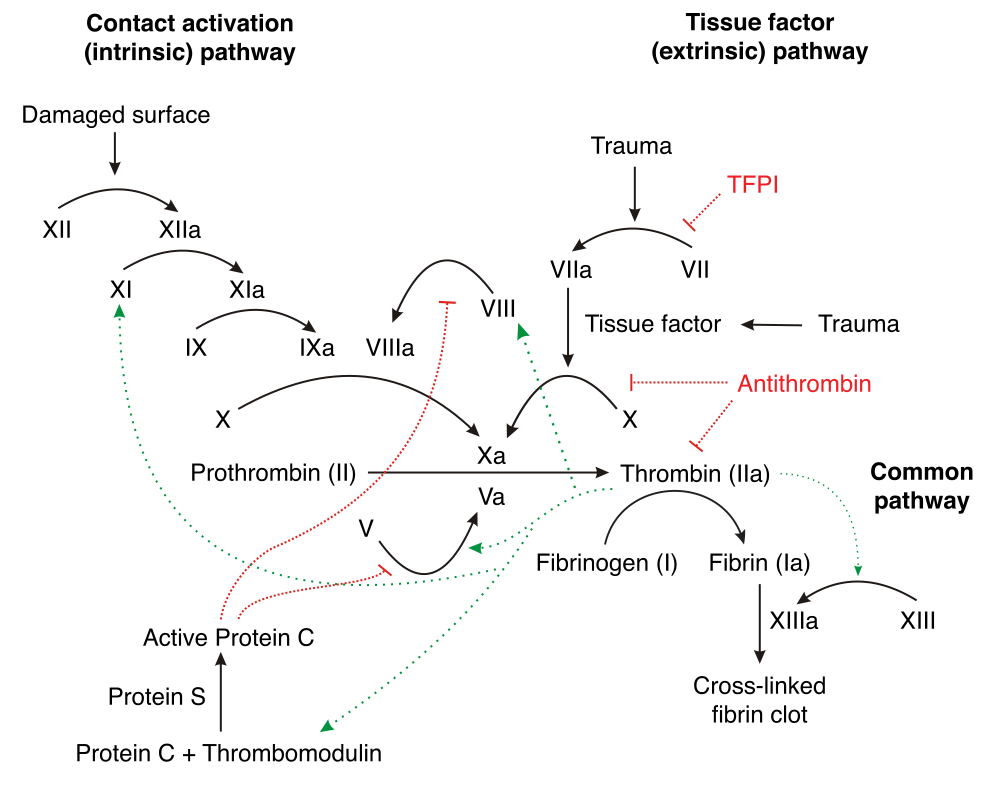
Factor Va and VIIIa are different in coagulation cascade. They are the co-factors for factor Xa and IXa respectively.

Another mnemonic: protein C Cuts Coagulation by Cutting Cofactors (Va and VIIIa)

Protein S is cofactor for protein S.

Protein C and S pathway using the mnemonic:

  1. Time To: Thrombin (factor IIa) – Thrombomodulin complex
  2. Play Counter Strike: Protein C and S
  3. 5 and 8 o’clock: Va and VIIIa
Joe D [CC BY-SA 3.0], via Wikimedia Commons

Clinical implications:

a. Factor V leiden mutation: Factor V resistant to inhibition by activated protein C (APC) leading to hypercoagulability.

b. Warfarcin induced Paradoxical hypercoagulability: The half-life of protein C is relatively short 6-8 hours. With inhibition of vitamin K, level of protein C falls before that of vitamin K dependent pro-coagulant factors like II, VII, IX and X, which have a half life of 5-7 days. This results in loss of protein C anticoagulant effect before inhibition of coagulation pathway achieved, and for a short time the patient becomes paradoxically more hypercoagulable.

  • This can lead to skin or subcutaneous necrosis secondary to thrombosis.
  • Heparin is co-administered with warfarin initially in cases of DVT to prevent this complication.

Review simplified coagulation cascade.

dr. sulabh kumar shrestha
Dr. Sulabh Kumar Shrestha, MS Orthopedics

He is the section editor of Orthopedics in Epomedicine. He searches for and share simpler ways to make complicated medical topics simple. He also loves writing poetry, listening and playing music. He is currently pursuing Fellowship in Hip, Pelvi-acetabulum and Arthroplasty at B&B Hospital.

27 shares
  • Facebook27
  • Twitter
PGMEE, MRCS, USMLE, MBBS, MD/MS Hematology

Post navigation

Previous post
Next post

Related Posts

PGMEE, MRCS, USMLE, MBBS, MD/MS dependence cycle

Substance abuse vs Substance dependence

Nov 4, 2016Nov 10, 2016

Both of these substance use disorders are maladpative patterns of substance use, leading to clinically significant impairment/distress but defined by separate criteria. Substance abuse ≥1 of the following occurring within a 12 month period: Mnemonic: 4 Rs Role failure: Recurrent use resulting in failure to fulfill role obligation Risky behavior:…

Read More
PGMEE, MRCS, USMLE, MBBS, MD/MS

How Metformin Causes Vitamin B12 deficiency?

Aug 9, 2019May 31, 2020

Multiple studies have shown that metformin reduces serum B12 levels in 10–30% of patients. The effect increases with the duration of the therapy. Decrease in vitamin B12 absorption and levels following metformin use typically starts as early as the 4th month. Mechanisms of Vitamin B12 deficiency with Metformin Use: It…

Read More
PGMEE, MRCS, USMLE, MBBS, MD/MS

Liver Anatomy : Mnemonics

May 13, 2024May 13, 2024

Ligaments Mnemonic: TV TFCL 1. True ligaments: 2. False ligaments (Peritoneal folds): Posteroinferior (Visceral) Surface of Liver Anatomical halves are separated by Ligamentum venosum and Ligamentum teres. Vascular halves are separated by IVC and Gall bladder. Caudate lobe and Quadrate lobe: Mnemonic: IVC are in one line Mnemonic: LGBTQ are…

Read More

Leave a Reply Cancel reply

Your email address will not be published. Required fields are marked *

This site uses Akismet to reduce spam. Learn how your comment data is processed.

Shrestha SK. Protein C and S pathway – Mnemonic [Internet]. Epomedicine; 2019 May 23 [cited 2026 Jan 17]. Available from: https://epomedicine.com/medical-students/protein-c-and-s-pathway-mnemonic/.

Pre-clinical (Basic Sciences)

Anatomy

Biochemistry

Community medicine (PSM)

Embryology

Microbiology

Pathology

Pharmacology

Physiology

Clinical Sciences

Anesthesia

Dermatology

Emergency medicine

Forensic

Internal medicine

Gynecology & Obstetrics

Oncology

Ophthalmology

Orthopedics

Otorhinolaryngology (ENT)

Pediatrics

Psychiatry

Radiology

Surgery

RSS Ask Epomedicine

  • What to study for Clinical examination in Orthopedics?
  • What is the mechanism of AVNRT?

Epomedicine weekly

  • About Epomedicine
  • Contact Us
  • Author Guidelines
  • Submit Article
  • Editorial Board
  • USMLE
  • MRCS
  • Thesis
©2026 Epomedicine . All rights reserved.