Skip to content
Epomedicine

Mnemonics, Simplified Concepts & Thoughts

Epomedicine

Mnemonics, Simplified Concepts & Thoughts

Pediatric Xrays : Test I

Epomedicine, Jul 26, 2015Jul 26, 2015

As you have already read Systematic way of Reading Chest Xrays and few other xray lessons in epomedicine classes. Here is you first Skill test. We will give you few case scenarios and Xray and you need to answer the following.

Self Assessment Test:

I. A neonate on Mechanical ventilator needing high settings shows following findings in Chest Xray Supine view-
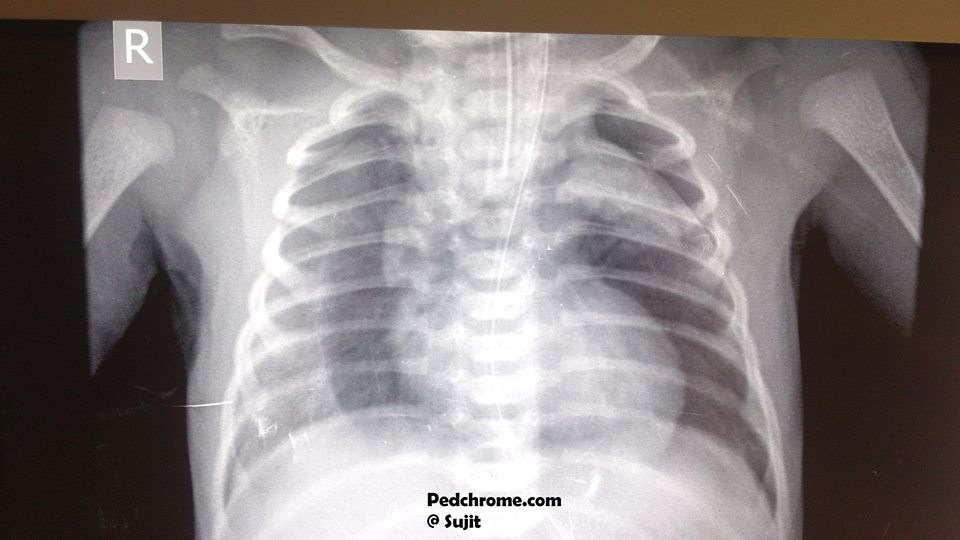
CXRay Pneumomediatinium

A. What are the Findings and Diagnosis?

B. How will you manage the case?


II. A newly born baby has respiratory distress and is intubated at birth. The Xray done shows following findings at birth.
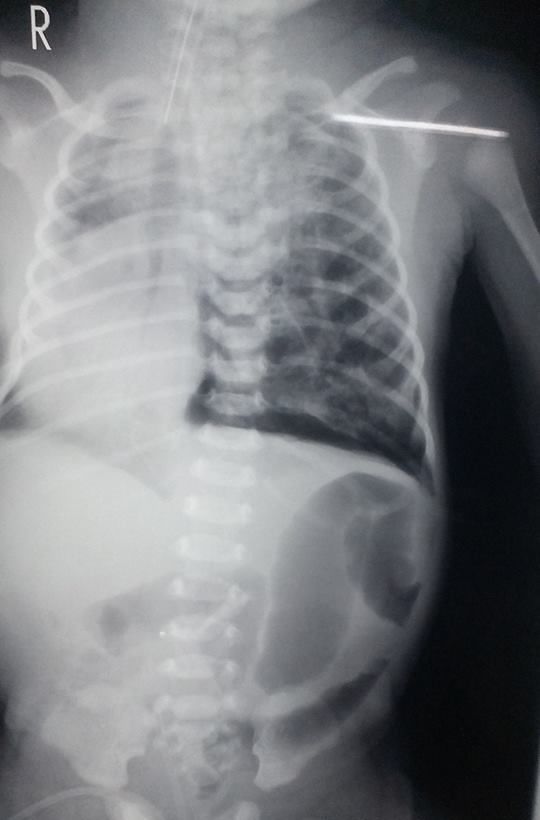
CXRay CPAM

A. What is the finding and Diagnosis?

B. What is the prognosis?


III. Child brought with respiratory distress and fever.
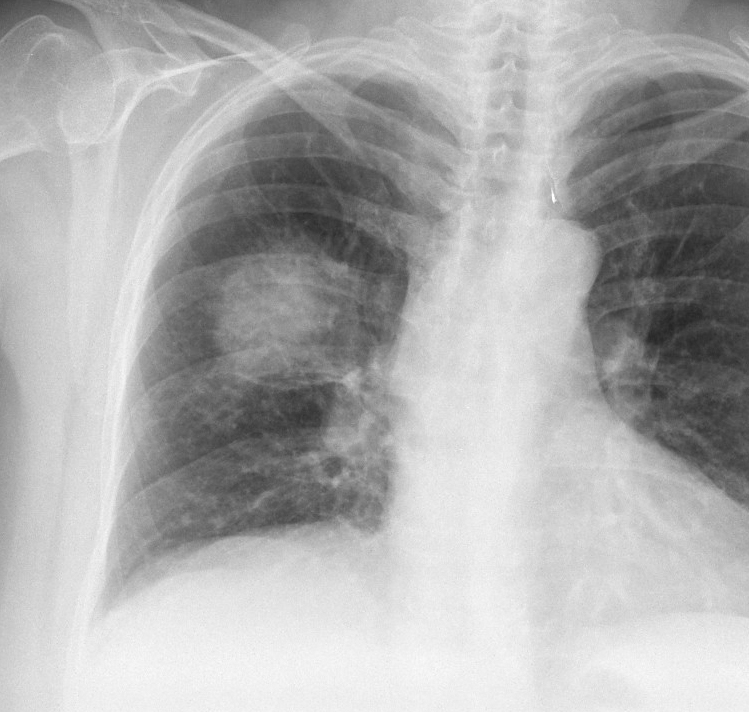
001Roundpneumonia

A. Findings?

B. Management?


IV. An 8 years child came to OPD with respiratory distress and fever. Chest xray shows-
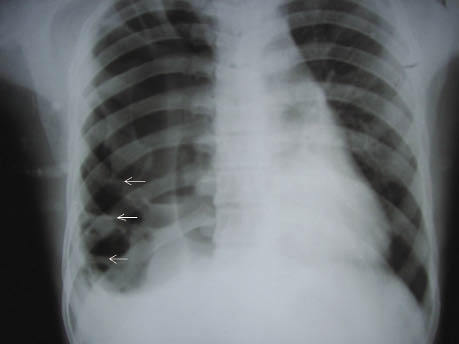
08_CR_Pneumatocele_An__opt

A. What is the finding?

B. Cause implicated?


V. Baby needed UVC insertion. What are the findings?
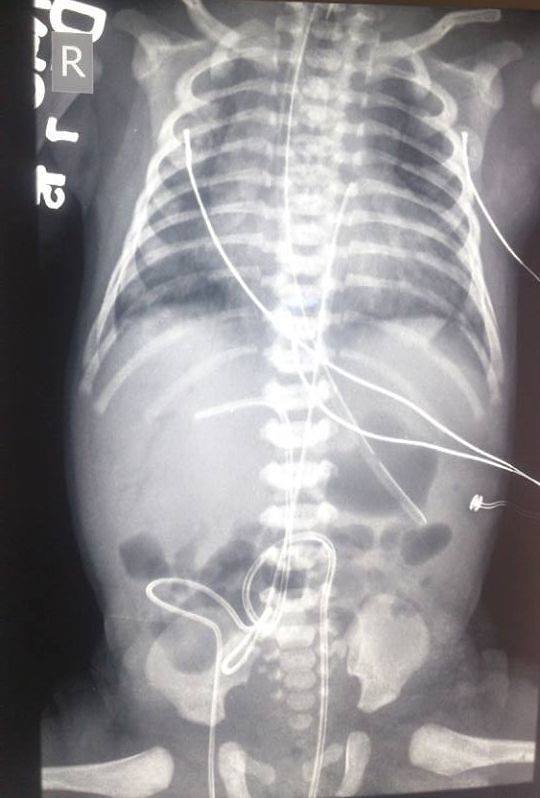
xray PV gas

A. Findings?

B.  Management?


ANSWERS- coming up by Monday
13 shares
  • Facebook13
  • Twitter
PGMEE, MRCS, USMLE, MBBS, MD/MS

Post navigation

Previous post
Next post

Related Posts

PGMEE, MRCS, USMLE, MBBS, MD/MS

Personality Disorders – Mnemonic

May 17, 2019May 17, 2019

If you are having a hard time remembering the clusters and which disorder falls into which cluster, this mnemonic will be helpful. Three clusters: A, B and C; remember as WWW – Weird, Wild and Worried, respectively. Cluster A – Weird (Genetic association with Schizophrenia) Accusatory: Paranoid (Suspicious) Aloof: Schizoid…

Read More
PGMEE, MRCS, USMLE, MBBS, MD/MS biostatistics

Which statistical test to use?

May 21, 2019Aug 14, 2023

Steps: Types of data Mnemonic: NOIR Qualitative or Categorical data a. Nominal (relating to name): Groups e.g. gender (male/female), color (black/white), blood groups (A/B/AB/O), religions (hindu/muslim/christian) b. Ordinal (relating to order): Rank-ordered data but without meaningful difference; e.g. socio-economic status (low, middle and high), rank (1st, 2nd and 3rd)– without…

Read More
PGMEE, MRCS, USMLE, MBBS, MD/MS palatogenesis

Face and Palate Development – Embryology made Easy

Aug 7, 2016Aug 7, 2016

4 week embryo 5 mesenchymal prominences (facial primordia) appear in relation to the stomodeum (a depression in the surface ectoderm which marks the future mouth and oral cavity): Cranially: Frontonasal prominence (unpaired) Laterally: Maxillary prominence (paired; 1st pharyngeal arch) Caudally: Mandibular prominence (paired; 1st pharyngeal arch) 5 week embryo Localized…

Read More

Comment

  1. AJ says:
    Dec 5, 2021 at 5:52 am

    Could you please post the answers too? It would be really helpful.

    Reply

Leave a Reply Cancel reply

Your email address will not be published. Required fields are marked *

This site uses Akismet to reduce spam. Learn how your comment data is processed.

Epomedicine. Pediatric Xrays : Test I [Internet]. Epomedicine; 2015 Jul 26 [cited 2025 Dec 26]. Available from: https://epomedicine.com/medical-students/pediatric-xrays-test-i/.

Pre-clinical (Basic Sciences)

Anatomy

Biochemistry

Community medicine (PSM)

Embryology

Microbiology

Pathology

Pharmacology

Physiology

Clinical Sciences

Anesthesia

Dermatology

Emergency medicine

Forensic

Internal medicine

Gynecology & Obstetrics

Oncology

Ophthalmology

Orthopedics

Otorhinolaryngology (ENT)

Pediatrics

Psychiatry

Radiology

Surgery

RSS Ask Epomedicine

  • What to study for Clinical examination in Orthopedics?
  • What is the mechanism of AVNRT?

Epomedicine weekly

  • About Epomedicine
  • Contact Us
  • Author Guidelines
  • Submit Article
  • Editorial Board
  • USMLE
  • MRCS
  • Thesis
©2025 Epomedicine . All rights reserved.