Skip to content
Epomedicine

Mnemonics, Simplified Concepts & Thoughts

Epomedicine

Mnemonics, Simplified Concepts & Thoughts

Pediatric Xrays : Test I

Epomedicine, Jul 26, 2015Jul 26, 2015

As you have already read Systematic way of Reading Chest Xrays and few other xray lessons in epomedicine classes. Here is you first Skill test. We will give you few case scenarios and Xray and you need to answer the following.

Self Assessment Test:

I. A neonate on Mechanical ventilator needing high settings shows following findings in Chest Xray Supine view-
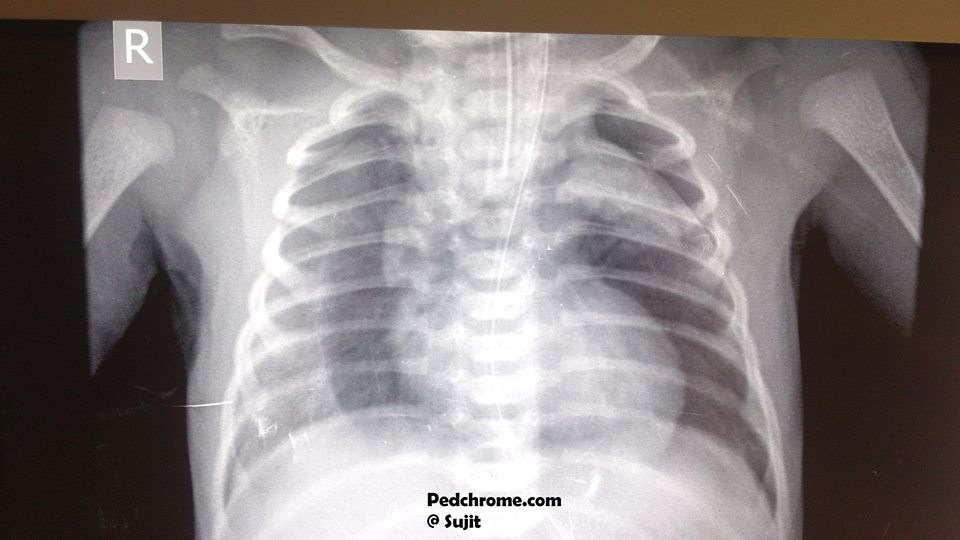
CXRay Pneumomediatinium

A. What are the Findings and Diagnosis?

B. How will you manage the case?


II. A newly born baby has respiratory distress and is intubated at birth. The Xray done shows following findings at birth.
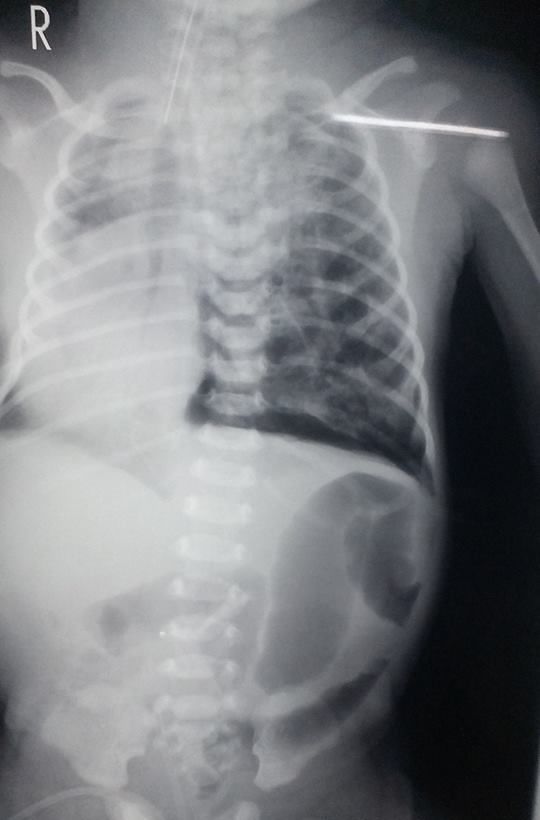
CXRay CPAM

A. What is the finding and Diagnosis?

B. What is the prognosis?


III. Child brought with respiratory distress and fever.
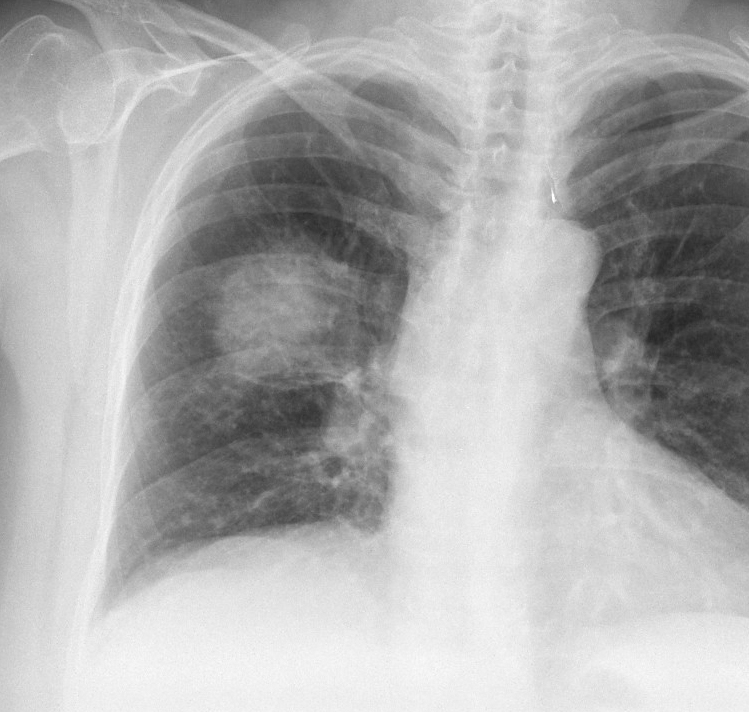
001Roundpneumonia

A. Findings?

B. Management?


IV. An 8 years child came to OPD with respiratory distress and fever. Chest xray shows-
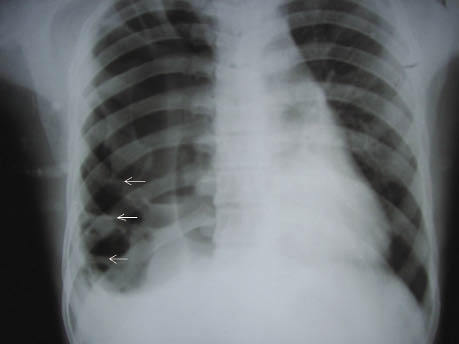
08_CR_Pneumatocele_An__opt

A. What is the finding?

B. Cause implicated?


V. Baby needed UVC insertion. What are the findings?
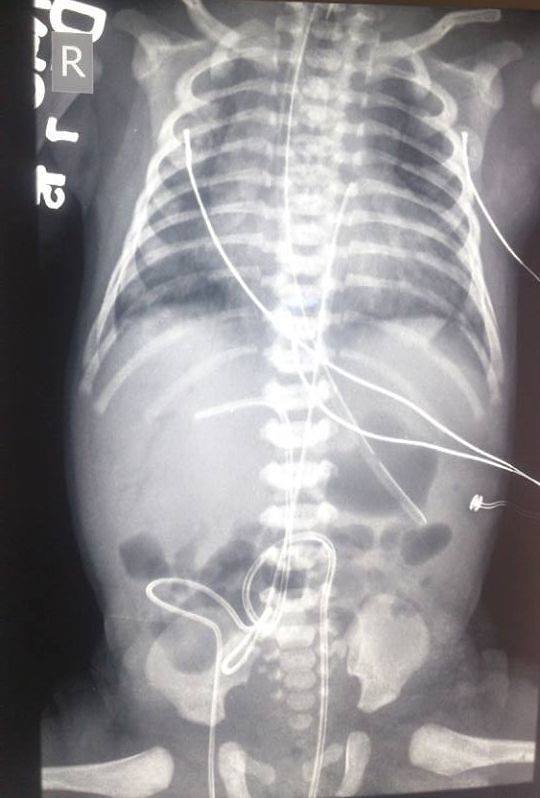
xray PV gas

A. Findings?

B.  Management?


ANSWERS- coming up by Monday
13 shares
  • Facebook13
  • Twitter
PGMEE, MRCS, USMLE, MBBS, MD/MS

Post navigation

Previous post
Next post

Related Posts

PGMEE, MRCS, USMLE, MBBS, MD/MS

Approach to a Child with Short Stature

Jan 15, 2022Jan 15, 2022

Definition of Short Stature Short stature refers to the height below 3rd Centile or 2 Standard Deviations (-2 SD) or more below the mean height for chronological age and gender for the standard population. When height is >-3 SD it’s most likely pathological. Assessment of Short stature 1. Accurate height…

Read More
PGMEE, MRCS, USMLE, MBBS, MD/MS

FDA Pregnancy Drug Risk Categories : Mnemonic

Mar 27, 2021Mar 27, 2021

We have simplified the information above as following: Category A: Adequate Anthropoid (Human) studies and Absolutely safe (No risk in controlled human studies) Category B: Bounded (limited) human studies and safe in Beast (animal) studies; Better to use (No risk in other studies) Category C: Catastrophic effects in animals and…

Read More
PGMEE, MRCS, USMLE, MBBS, MD/MS fever with rash

Fever and Rash : Mnemonic Based Approach

Sep 3, 2017Feb 2, 2023

Seven Killer Causes of Fever and Rash Mnemonic: SMARTTT Sepsis Meningococcemia Acute endocarditis Rocky mountain spotted fever Toxic erythemas Toxic epidermal necrolysis Travel-related infections Onset of Rash with “X” Days of Fever Mnemonic: Very Sick Person Must Take Double Eggs Varicella (Chicken pox): 1st day (rash is often 1st sign…

Read More

Comment

  1. AJ says:
    Dec 5, 2021 at 5:52 am

    Could you please post the answers too? It would be really helpful.

    Reply

Leave a Reply to AJ Cancel reply

Your email address will not be published. Required fields are marked *

This site uses Akismet to reduce spam. Learn how your comment data is processed.

Pre-clinical (Basic Sciences)

Anatomy

Biochemistry

Community medicine (PSM)

Embryology

Microbiology

Pathology

Pharmacology

Physiology

Clinical Sciences

Anesthesia

Dermatology

Emergency medicine

Forensic

Internal medicine

Gynecology & Obstetrics

Oncology

Ophthalmology

Orthopedics

Otorhinolaryngology (ENT)

Pediatrics

Psychiatry

Radiology

Surgery

RSS Ask Epomedicine

  • What to study for Clinical examination in Orthopedics?
  • What is the mechanism of AVNRT?

Epomedicine weekly

  • About Epomedicine
  • Contact Us
  • Author Guidelines
  • Submit Article
  • Editorial Board
  • USMLE
  • MRCS
  • Thesis
©2026 Epomedicine | WordPress Theme by SuperbThemes