Skip to content
Epomedicine

Mnemonics, Simplified Concepts & Thoughts

Epomedicine

Mnemonics, Simplified Concepts & Thoughts

philadelphia chromosome

Oncogenic Translocations to remember

Epomedicine, May 23, 2019May 23, 2019
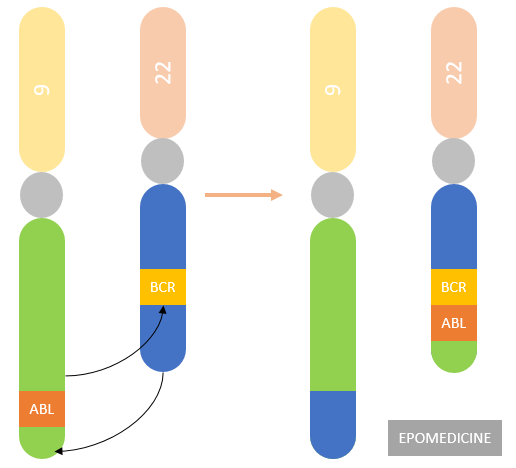
Philadelphia chromosome : t(9;22) bcr-abl fusion
  1. t(8;14): Burkitt’s lymphoma
  2. t(14;18): Follicular lymphoma
  3. t(11;14): Mantle cell lymphoma
  4. t(11,18): Marginal zone lymphoma (MALT lymphoma)
  5. t(9;22): CML (Philadelphia chromosome), Bad prognosis ALL
  6. t(8;21): AML M2
  7. t(15;17): AML M3 (Promyelocytic AML)
  8. t(X;18): Synovial cell sarcoma
  9. t(11;22): Ewing’s sarcoma
  10. t(12;21): Pre-B ALL (good prognosis ALL)
  11. t(4;11) and t(1;19): Bad prognosis ALL
43 shares
  • Facebook43
  • Twitter
PGMEE, MRCS, USMLE, MBBS, MD/MS HematologyPathology

Post navigation

Previous post
Next post

Related Posts

PGMEE, MRCS, USMLE, MBBS, MD/MS midbrain cross-section

How to Draw Midbrain Cross-section ?

Jul 17, 2016Jul 17, 2016

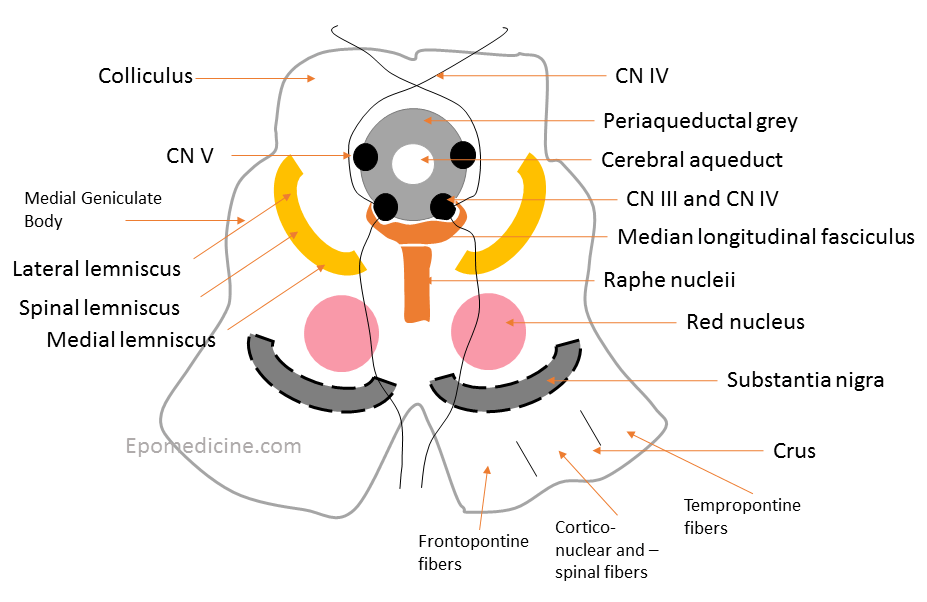
The cross-section of midbrain can be compared to the “upside down striped face of a red-eyed demon“. Using this analogy of a demon face, lets assign the structures found on the cross-section of midbrain: Ear = Crus cerebri Medial – frontopontine fibers Middle – corticonuclear and corticospinal tract Lateral –…

Read More

Surgical landmarks for identification of facial nerve in Parotid surgery

Dec 31, 2013

The facial nerve (CN VII) exits the skull base through the stylomastoid foramen situated posterolaterally to the styloid process and anteromedially to the mastoid process and enters the parotid gland to divide it into a large superficial lobe and a small deep lobe. The main trunk of facial nerve enters…

Read More
PGMEE, MRCS, USMLE, MBBS, MD/MS

Portal Vein : Tributaries and Portocaval Anastomoses

Sep 28, 2020Aug 7, 2023

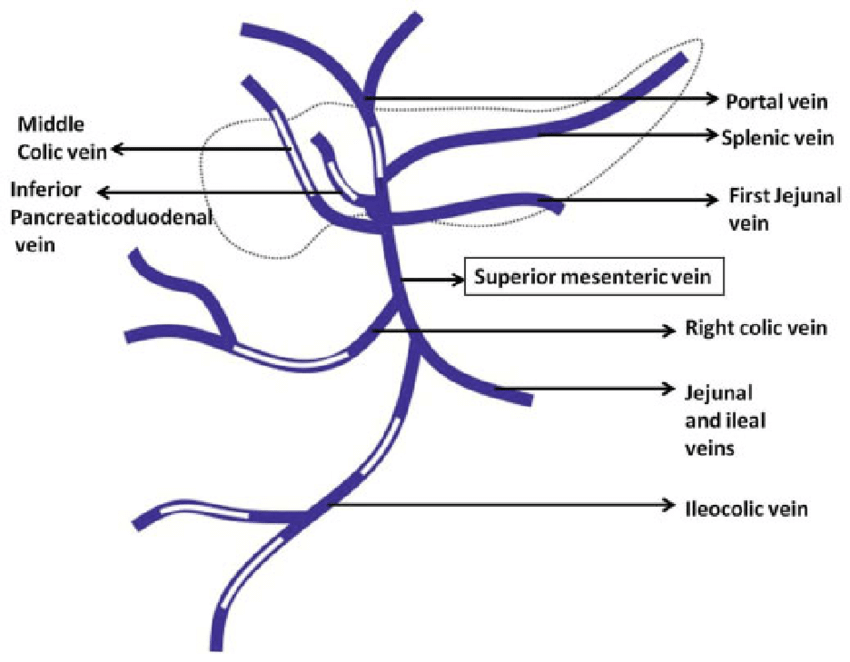
Origin: Hepatic Portal Vein is formed by the union of Splenic vein and Superior mesenteric Vein behind the neck of pancreas at L1 vertebral level. Termination: The portal vein terminates by branching into right branch (entering right lobe of liver) and left branch entering (left lobe of liver). Parts: Tributaries: Points to…

Read More

Comments (6)

  1. Ramanad P. says:
    May 23, 2019 at 5:27 pm

    Is it necessary to remember these? Are they high yield for exam? If yes, is there any way to remember these?

    Reply
  2. Epomedicine says:
    May 23, 2019 at 5:34 pm

    Here’s a mnemonic for the B cell non-hodgkin’s lymphoma (NHL).

    c-myc (8); cyclin-D (11); heavy-chain Ig (14); BCL-2 (18)

    1. 14 is common in many transolactions
    2. write small chromosomes 1st then larger

    a. Burkitt’s lymphoma (B looks like 8): t(8;14)
    b. Follicular lymphoma (F for fourteen and follicular): t(14;18)
    c. Mantle cell lymphoma (M looks like 11): t(11;14)
    d. Marginal zone lymphoma (outer margins of mantle cell and follicular lymphoma): t(11;18)

    Reply
  3. Bharanidharan.M says:
    Jul 9, 2019 at 11:33 am

    Superb

    Reply
  4. Akarsh says:
    Oct 11, 2020 at 5:09 am

    -It’s actually 18 letters in word for follicular lymphoma😅
    F for follicur f for fourteen written first
    -Burkitts lymphoma B for 8 (that is 8 in any translocation is for Burkitts) except t(8,21) for AML M2 that is one associated with chloroma. 🤢
    – ewings e for eleven, e with wings for into 2 (X 2) t (11,22)
    -Synovial sarcoma s for sex (X) SY FOR SHY AT 18 t (x,18)☺️

    Reply
    1. Epomedicine says:
      Oct 11, 2020 at 6:26 am

      Thank you for the correction Akarsh. It is actually 18 letters in follicular lymphoma 😅

      Reply
    2. Akarsh says:
      Oct 20, 2020 at 12:19 pm

      U r most welcome😊

      Reply

Leave a Reply to Akarsh Cancel reply

Your email address will not be published. Required fields are marked *

This site uses Akismet to reduce spam. Learn how your comment data is processed.

Pre-clinical (Basic Sciences)

Anatomy

Biochemistry

Community medicine (PSM)

Embryology

Microbiology

Pathology

Pharmacology

Physiology

Clinical Sciences

Anesthesia

Dermatology

Emergency medicine

Forensic

Internal medicine

Gynecology & Obstetrics

Oncology

Ophthalmology

Orthopedics

Otorhinolaryngology (ENT)

Pediatrics

Psychiatry

Radiology

Surgery

RSS Ask Epomedicine

  • What to study for Clinical examination in Orthopedics?
  • What is the mechanism of AVNRT?

Epomedicine weekly

  • About Epomedicine
  • Contact Us
  • Author Guidelines
  • Submit Article
  • Editorial Board
  • USMLE
  • MRCS
  • Thesis
©2026 Epomedicine | WordPress Theme by SuperbThemes