Skip to content
Epomedicine

Mnemonics, Simplified Concepts & Thoughts

Epomedicine

Mnemonics, Simplified Concepts & Thoughts

choledochocele todani

Choledochal Cysts : Mnemonic for Todani Classification

Dr. Sulabh Kumar Shrestha, MS Orthopedics, Mar 2, 2018Mar 2, 2018


choledochocele todani

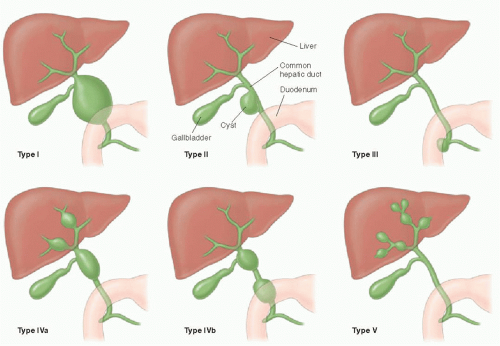
Todani Classification of Choledochal cysts

Mnemonic: Consider I is “Extrahepatic” and V is “Intrahepatic”, then –

  • Type I, II and III = Extrahepatic
  • Type IV = Extrahepatic + Intrahepatic
  • Type V = Intrahepatic

Most common: Type I

2nd most common: Type IV

Type I-III: Extrahepatic

Mnemonic: 123 EDC

Type I: Entire CBD dilated

Type II: Diverticulum

Type III: Choledochocele (Intraduodenal portion of CBD)

Type IV: Extrahepatic + Intrahepatic

Mnemonic: A for “And or Additional” and B for “Bunch”

Type IVa: Both intrahepatic AND extrahepatic cysts

Type IVb: Multiple extrahepatic cysts only

Type V: Intrahepatic cysts only (Caroli’s disease)

dr. sulabh kumar shrestha
Dr. Sulabh Kumar Shrestha, MS Orthopedics

He is the section editor of Orthopedics in Epomedicine. He searches for and share simpler ways to make complicated medical topics simple. He also loves writing poetry, listening and playing music. He is currently pursuing Fellowship in Hip, Pelvi-acetabulum and Arthroplasty at B&B Hospital.

57 shares
  • Facebook38
  • Twitter
PGMEE, MRCS, USMLE, MBBS, MD/MS Gastrointestinal systemGeneral SurgeryPediatrics

Post navigation

Previous post
Next post

Related Posts

PGMEE, MRCS, USMLE, MBBS, MD/MS

Inferior Venacava (IVC) Tributaries and Abdominal Aorta Branches : Mnemonic

May 11, 2024May 11, 2024

Inferior Venacava (IVC) Tributaries Mnemonic: I Like To Rise So Incredibly High 1. common Iliac veins (L5) – Origin or Formation 2. Lumbar veins (L1-L5) 3. Testicular/gonadal veins – right (L2) 4. Renal veins (L1) 5. Suprarenal veins – right (L1) 6. Inferior phrenic veins (T8) 7. Hepatic veins (T8)…

Read More
PGMEE, MRCS, USMLE, MBBS, MD/MS pelvic dimensions

Pelvic Dimensions : Mnemonics

Jul 27, 2018May 15, 2023

Shapes of the female pelvis Mnemonic: GAP (In order of most common to the least common) Only pelvis with AP diameter > Transverse diameter is Anthropoid pelvis. Mnemonic: ANthrOPoid Android and Anthropoid (AN) pelvis are common causes of occipito-posterior (OP) presentation. In platypelloid pelvis (broad and flat): Sub-public angle: It…

Read More
PGMEE, MRCS, USMLE, MBBS, MD/MS esr

ESR and CRP in Musculoskeletal infection

Aug 5, 2020Jan 27, 2022

ESR (Erythrocyte Sedimentation Rate) Usually elevated within 48-72 hours of the infection onset (less reliable in the first 48 hours of infection) Continues to rise for 3-5 days after institution of successful therapy and continuing rise beyond 4th-5th day of treatment can be an indication of treatment failure (not good…

Read More

Comment

  1. vanscoyhair says:
    Mar 16, 2018 at 8:35 pm

    Thank you. Interesting.

    Reply

Leave a Reply to vanscoyhair Cancel reply

Your email address will not be published. Required fields are marked *

This site uses Akismet to reduce spam. Learn how your comment data is processed.

Pre-clinical (Basic Sciences)

Anatomy

Biochemistry

Community medicine (PSM)

Embryology

Microbiology

Pathology

Pharmacology

Physiology

Clinical Sciences

Anesthesia

Dermatology

Emergency medicine

Forensic

Internal medicine

Gynecology & Obstetrics

Oncology

Ophthalmology

Orthopedics

Otorhinolaryngology (ENT)

Pediatrics

Psychiatry

Radiology

Surgery

RSS Ask Epomedicine

  • What to study for Clinical examination in Orthopedics?
  • What is the mechanism of AVNRT?

Epomedicine weekly

  • About Epomedicine
  • Contact Us
  • Author Guidelines
  • Submit Article
  • Editorial Board
  • USMLE
  • MRCS
  • Thesis
©2026 Epomedicine | WordPress Theme by SuperbThemes