Skip to content
Epomedicine

Mnemonics, Simplified Concepts & Thoughts

Epomedicine

Mnemonics, Simplified Concepts & Thoughts

choledochocele todani

Choledochal Cysts : Mnemonic for Todani Classification

Dr. Sulabh Kumar Shrestha, MS Orthopedics, Mar 2, 2018Mar 2, 2018


choledochocele todani

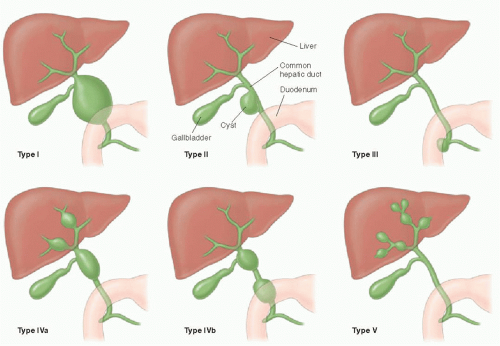
Todani Classification of Choledochal cysts

Mnemonic: Consider I is “Extrahepatic” and V is “Intrahepatic”, then –

  • Type I, II and III = Extrahepatic
  • Type IV = Extrahepatic + Intrahepatic
  • Type V = Intrahepatic

Most common: Type I

2nd most common: Type IV

Type I-III: Extrahepatic

Mnemonic: 123 EDC

Type I: Entire CBD dilated

Type II: Diverticulum

Type III: Choledochocele (Intraduodenal portion of CBD)

Type IV: Extrahepatic + Intrahepatic

Mnemonic: A for “And or Additional” and B for “Bunch”

Type IVa: Both intrahepatic AND extrahepatic cysts

Type IVb: Multiple extrahepatic cysts only

Type V: Intrahepatic cysts only (Caroli’s disease)

dr. sulabh kumar shrestha
Dr. Sulabh Kumar Shrestha, MS Orthopedics

He is the section editor of Orthopedics in Epomedicine. He searches for and share simpler ways to make complicated medical topics simple. He also loves writing poetry, listening and playing music. He is currently pursuing Fellowship in Hip, Pelvi-acetabulum and Arthroplasty at B&B Hospital.
56 shares
  • Facebook38
  • Twitter
PGMEE, MRCS, USMLE, MBBS, MD/MS Gastrointestinal systemGeneral SurgeryPediatrics

Post navigation

Previous post
Next post

Related Posts

PGMEE, MRCS, USMLE, MBBS, MD/MS

Tonnis and IHDI (International Hip Dysplasia Institute) Classification for DDH

Nov 10, 2025Nov 10, 2025

IHDI method is a new radiographic classification of the severity of hip dislocation in DDH. It is based on the location of the midpoint of superior part of ossified metaphysis (H-point) relative to acetabulum. In contrast to Tonnis classification method, IHDI method: Tonnis classification: It is assessed according to the…

Read More
PGMEE, MRCS, USMLE, MBBS, MD/MS red eye

Acute Red Eye : Simplified Approach

Aug 10, 2015Aug 18, 2015

Red eye reflects hyperemia or engorgement of superficial visible conjunctival, episcleral or ciliary vessels. A) DIFFERENTIAL DIAGNOSES FOR ACUTE RED EYE 1. Painless red eye: a) Diffuse redness: Lids normal: Conjunctivitis Lids abnormal: Blepharitis Ectropion Trichiasis Eyelid lesion b) Localized redness: Pterygium Corneal foreign body Ocular trauma Subconjunctival hemorrhage Episcleritis

Read More
PGMEE, MRCS, USMLE, MBBS, MD/MS

“5-Ps” Mnemonic for Preoperative Antibiotic Prophylaxis

Jul 10, 2025Jul 10, 2025

Potential indications for antibiotic prophylaxis before surgical procedure are: 1. Penetration into gastrointestinal, respiratory and genital lumens 2. Prosthesis 3. Presence of infection 4. Prolonged surgery 5. Poor patient immunity Reference: Hasanin A, Mostafa M. The “5-Ps” Mnemonic for Antibiotic Prophylaxis Before Surgery. Anesth Analg. 2025 May 7. doi: 10.1213/ANE.0000000000007596….

Read More

Comment

  1. vanscoyhair says:
    Mar 16, 2018 at 8:35 pm

    Thank you. Interesting.

    Reply

Leave a Reply Cancel reply

Your email address will not be published. Required fields are marked *

This site uses Akismet to reduce spam. Learn how your comment data is processed.

Pre-clinical (Basic Sciences)

Anatomy

Biochemistry

Community medicine (PSM)

Embryology

Microbiology

Pathology

Pharmacology

Physiology

Clinical Sciences

Anesthesia

Dermatology

Emergency medicine

Forensic

Internal medicine

Gynecology & Obstetrics

Oncology

Ophthalmology

Orthopedics

Otorhinolaryngology (ENT)

Pediatrics

Psychiatry

Radiology

Surgery

RSS Ask Epomedicine

  • What to study for Clinical examination in Orthopedics?
  • What is the mechanism of AVNRT?

Epomedicine weekly

  • About Epomedicine
  • Contact Us
  • Author Guidelines
  • Submit Article
  • Editorial Board
  • USMLE
  • MRCS
  • Thesis
©2026 Epomedicine | WordPress Theme by SuperbThemes