Skip to content
Epomedicine

Mnemonics, Simplified Concepts & Thoughts

Epomedicine

Mnemonics, Simplified Concepts & Thoughts

subclavian artery branches

Branches of Subclavian artery : Mnemonic

Epomedicine, Oct 10, 2017

Origin of Subclavian artery:

  • Left: Arch of aorta
  • Right: Brachiocephalic artery

Extent of Subclavian artery: Arises posterior to sternoclavicular joint and ends at outer border of 1st rib by becoming acillary artery.

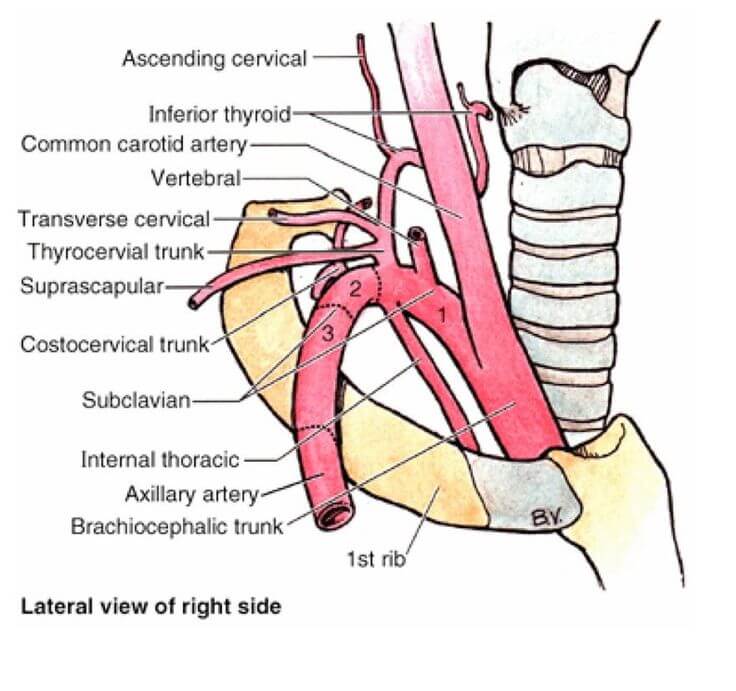
Divisions of Subclavian artery: 3 parts in relation to Scalenus anterior muscle

  1. 1st part (medial to muscle)
  2. 2nd part (posterior to muscle)
  3. 3rd part (lateral to muscle)

subclavian artery branches

Branches of Subclavian artery:

Remember Vitamin C and D

Mnemonic: VIT(sit) C(sid) and D

  • Orange (VIT – from 1st part)
  • Green (C – from 2nd part)
  • Blue (D – from 3rd part)
  1. Vertebral artery
  2. Internal thoracic artery
  3. Thyrocervical trunk
    • Suprascapular artery
    • Inferior thyroid artery (Thyro-)
    • Transverse cervical artery (Cervical)
  4. Costocervical trunk
    • Superior intercostal (Costo-)
    • Deep cervical (Cervical)
  5. Dorsal scapular artery
172 shares
  • Facebook33
  • Twitter
PGMEE, MRCS, USMLE, MBBS, MD/MS AnatomyCardiovascular system

Post navigation

Previous post
Next post

Related Posts

PGMEE, MRCS, USMLE, MBBS, MD/MS kramers chart neonatal jaundice

Neonatal Jaundice (NNJ) : Approach

Sep 2, 2015

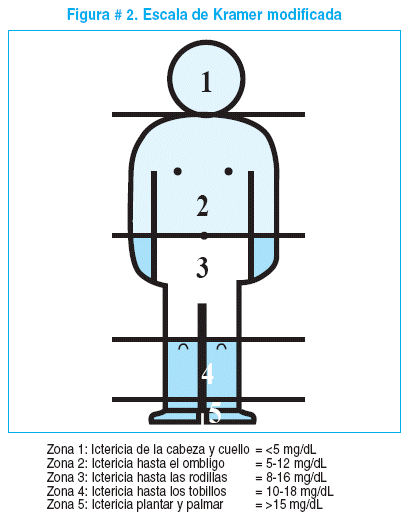
Jaundice refers to accumulation of bilirubin in the epidermal tissues of the body, resulting in a yellowish tinge to the skin, sclera, and mucosa. Atleast 5 mg/dl of bilirubin level is required for clinically recognizing hyperbilirubinemia. A) Physiological Neonatal Jaundice: General consideration:

Read More
PGMEE, MRCS, USMLE, MBBS, MD/MS chemotherapy action

Principles of Chemotherapy

Dec 26, 2015Jul 2, 2016

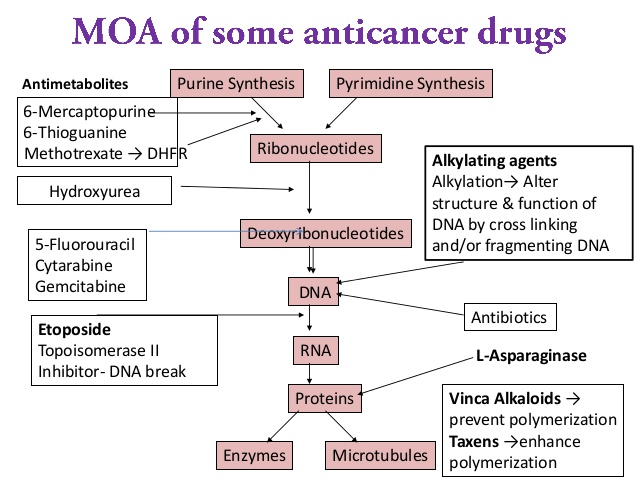
Master the knowledge of clinically relevant cell cycle to understand the principles of chemotherapy. Tumors that are highly responsive to chemotherapeutic agents (e.g., testicular cancer, lymphomas) tend to have a very rapid doubling time compared to tumors that are less responsive to chemotherapy (e.g., pancreatic and prostate cancers). The tumor doubling time of metastases…

Read More
PGMEE, MRCS, USMLE, MBBS, MD/MS

Anatomy of Tongue : Mnemonics

Apr 29, 2024Apr 29, 2024

Muscles Intrinsic Extrinsic Alter the shape of tongue Attaches tongue to the bone Mnemonic: VIST Mnemonic: Paris St. German Hour 1. Vertical 1. Palatoglossus (Palate) – anatomically a pharyngeal muscle 2. Inferior longitudinal 2. Styloglossus (Styloid) 3. Superior longitudinal 3. Genioglossus (Genial tubercle of mandible) 4. Transverse 4. Hyoglossus (Hyoid)…

Read More

Comments (2)

  1. OBE BWAMI says:
    Oct 14, 2019 at 5:35 pm

    Well done

    Reply
  2. Farha says:
    Sep 20, 2023 at 2:54 am

    Very useful

    Reply

Leave a Reply to Farha Cancel reply

Your email address will not be published. Required fields are marked *

This site uses Akismet to reduce spam. Learn how your comment data is processed.

Pre-clinical (Basic Sciences)

Anatomy

Biochemistry

Community medicine (PSM)

Embryology

Microbiology

Pathology

Pharmacology

Physiology

Clinical Sciences

Anesthesia

Dermatology

Emergency medicine

Forensic

Internal medicine

Gynecology & Obstetrics

Oncology

Ophthalmology

Orthopedics

Otorhinolaryngology (ENT)

Pediatrics

Psychiatry

Radiology

Surgery

RSS Ask Epomedicine

  • What to study for Clinical examination in Orthopedics?
  • What is the mechanism of AVNRT?

Epomedicine weekly

  • About Epomedicine
  • Contact Us
  • Author Guidelines
  • Submit Article
  • Editorial Board
  • USMLE
  • MRCS
  • Thesis
©2026 Epomedicine | WordPress Theme by SuperbThemes