Skip to content
Epomedicine

Mnemonics, Simplified Concepts & Thoughts

Epomedicine

Mnemonics, Simplified Concepts & Thoughts

Diacerin : Mnemonic

Epomedicine, May 15, 2023May 15, 2023

Diacerin is a DMOAD (Diseases Modifying Osteoarthritis Drug) –

D – Diarrhea (not recommended in >65 years – more vulnerable to diarrhea)

I – IL-1 Inhibition

A – Anthraquinone

C – Chondroprotective effects

E – Eczema

R – Rashes

I – Increase in hepatic enzymes (contraindicated in patients with history of liver diseases)

N – NSAID like efficacy after 1st month of treatment
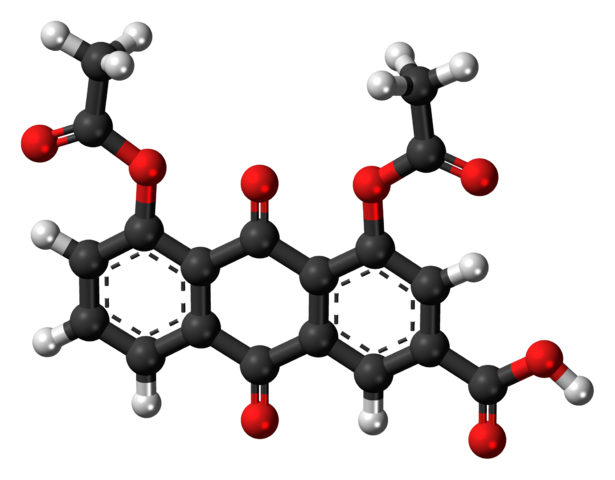
diacerin
Jynto, CC0, via Wikimedia Commons
  • Facebook
  • Twitter
PGMEE, MRCS, USMLE, MBBS, MD/MS Musculoskeletal systemPharmacology

Post navigation

Previous post
Next post

Related Posts

PGMEE, MRCS, USMLE, MBBS, MD/MS subclavian artery branches

Branches of Subclavian artery : Mnemonic

Oct 10, 2017

Origin of Subclavian artery: Left: Arch of aorta Right: Brachiocephalic artery Extent of Subclavian artery: Arises posterior to sternoclavicular joint and ends at outer border of 1st rib by becoming acillary artery. Divisions of Subclavian artery: 3 parts in relation to Scalenus anterior muscle 1st part (medial to muscle) 2nd…

Read More
PGMEE, MRCS, USMLE, MBBS, MD/MS

Appearance and Fusion of Ossification Centers

Oct 30, 2019Oct 30, 2019

Upper end of humerus Mnemonic: HGL – 1,3,5 a. Head – by 1 year b. Greater tuberosity – by 3 years c. Lesser tuberosity – by 5 years All 3 centers fuse together by 6 years (1 year after the last center appears) Upper end of femur Mnemonic: HGL –…

Read More
PGMEE, MRCS, USMLE, MBBS, MD/MS pediatric fractures

General Principles – Pediatric Fracture Management

Apr 4, 2020Apr 4, 2020

Children are not just mini-adults • Higher head to torso ratio: Head injury & Upper C-spine fractures • Light weight – projectile when struck • BSA to Wt. ratio – higher (rapid hypothermia) • Large cardiopulmonary reserves – normal SBP in significant hypovolemia Growth contribution by Proximal & Distal Physes…

Read More

Leave a Reply Cancel reply

Your email address will not be published. Required fields are marked *

This site uses Akismet to reduce spam. Learn how your comment data is processed.

Pre-clinical (Basic Sciences)

Anatomy

Biochemistry

Community medicine (PSM)

Embryology

Microbiology

Pathology

Pharmacology

Physiology

Clinical Sciences

Anesthesia

Dermatology

Emergency medicine

Forensic

Internal medicine

Gynecology & Obstetrics

Oncology

Ophthalmology

Orthopedics

Otorhinolaryngology (ENT)

Pediatrics

Psychiatry

Radiology

Surgery

RSS Ask Epomedicine

  • What to study for Clinical examination in Orthopedics?
  • What is the mechanism of AVNRT?

Epomedicine weekly

  • About Epomedicine
  • Contact Us
  • Author Guidelines
  • Submit Article
  • Editorial Board
  • USMLE
  • MRCS
  • Thesis
©2026 Epomedicine | WordPress Theme by SuperbThemes