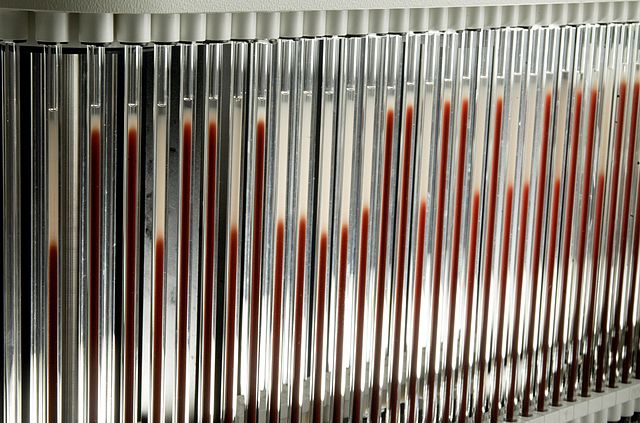
ESR (Erythrocyte Sedimentation Rate) Usually elevated within 48-72 hours of the infection onset (less reliable in the first 48 hours of infection) Continues to rise for 3-5 days after institution of successful therapy and continuing rise beyond 4th-5th day of treatment can be an indication of treatment failure (not good…
Category: PGMEE, MRCS, USMLE, MBBS, MD/MS
Medical knowledge in bullet points with understandable language, simplified images and graspable mnemonics.
PGMEE, MRCS, USMLE, MBBS, MD/MS
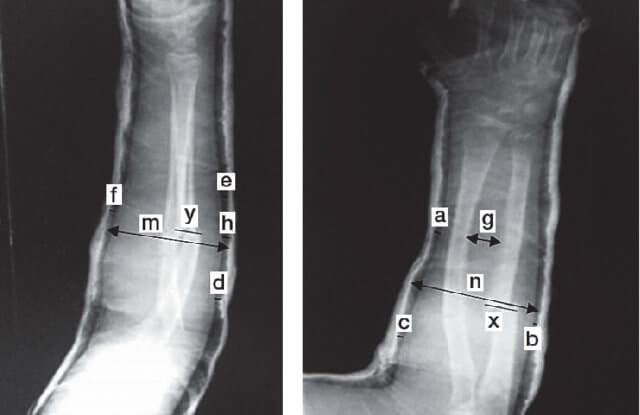
Casting technique related Radiographic indices
Cast index Formula: Inner diameter of cast on lateral view (m) / Inner diameter of cast on AP view (n) Cut-off: 0.7-0.8 Padding index Formula: Dorsal fracture site gap (h) / Maximum interosseous length in AP view (g) Cut-off: 0.3 Cantebury index Formula: Cast index (m/n) + Padding index (h/g)…
PGMEE, MRCS, USMLE, MBBS, MD/MS

Patient Decision Making Capacities – CURVES mnemonic
a. Choose and communicate Can the patient make a choice and communicate that choice? b. Understand Does the patient understand the risks, benefits, alternatives and consequences of the decision? c. Reason Can the patient provide logic or reason behind his/her decision? d. Value Is the choice the patient makes consistent…
PGMEE, MRCS, USMLE, MBBS, MD/MS
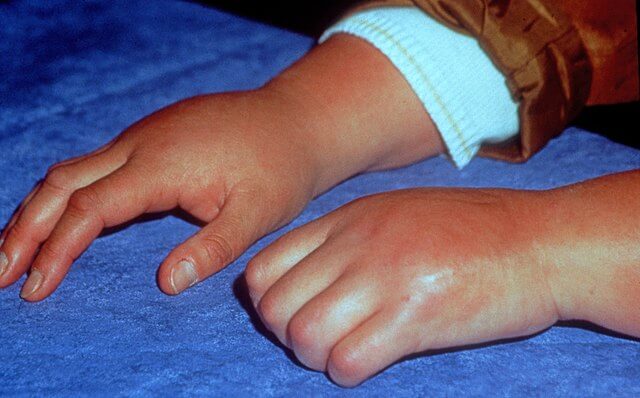
Complex Regional Pain Syndrome (CRPS)
Synonyms: CRPS, Sudeck’s atrophy, Reflex sympathetic dystrophy, RSD, Causalgia Chronic regional pain syndrome (CRPS) is a persistent neuropathic pain syndrome of an inappropriate intensity due to sustained sympathetic activity with the absence of impending or ongoing tissue damage. There are 2 types of CRPS: Type 1 (Sudeck’s atrophy or Reflex…
PGMEE, MRCS, USMLE, MBBS, MD/MS
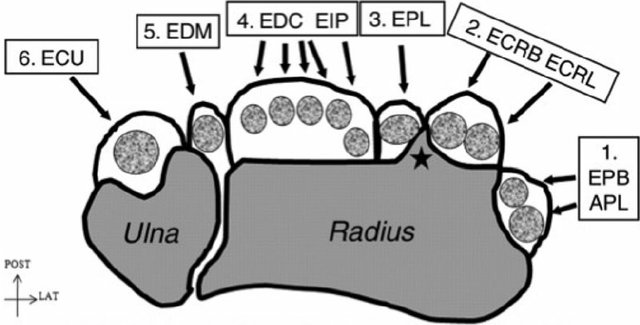
Wrist Extensor Compartments
The Extensor Zone VII (wrist) contains 6 extensor compartments comprising of 6 synovial sheath lined tunnels separated from each other by fibrous sheath. These compartments contain tendons of muscles that pass from forearm to hand. The number of tendons passinf thorugh the compartments (radial to ulnar) can be remembered using…
PGMEE, MRCS, USMLE, MBBS, MD/MS
Fascia Lata and Tensor Fascia Lata
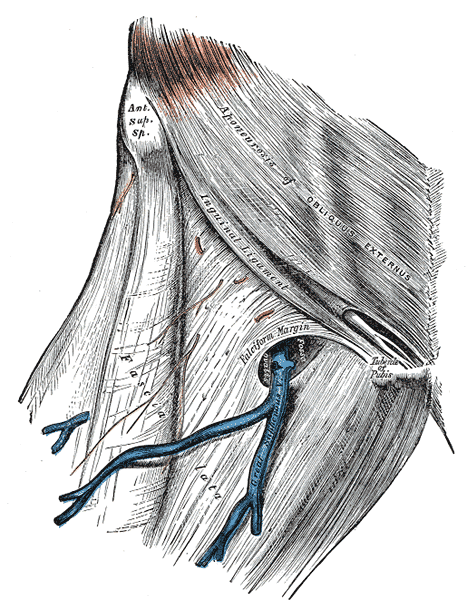
Fascia lata and Tensor fascia lata althought different structures is often mistaken as the same by the students. Fascia Lata It is the fascial ‘stocking’ deep to the skin and superficial fascial and encloses the muscle of thigh. Proximally, its attachment can be traced around the pelvis and distally, it…
PGMEE, MRCS, USMLE, MBBS, MD/MS
Physiology of Pulmonary Surfactant
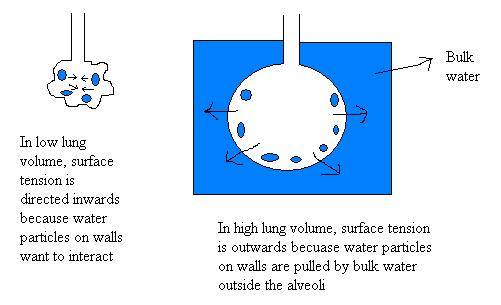
Origin Type II alveolar cells/pneumocytes (small but numerous) and Lamellar bodies (appear in Type II pneumocytes at around the 20th week of gestation) Type I alveolar cells (large and covers 95% alveoli) are squamous cells and involved in gas exchange process. Recycling 90% is reprocessed (through endocytosis); average time for…
PGMEE, MRCS, USMLE, MBBS, MD/MS
Modified Ficat-Arlet Staging for AVN hip : Mnemonic
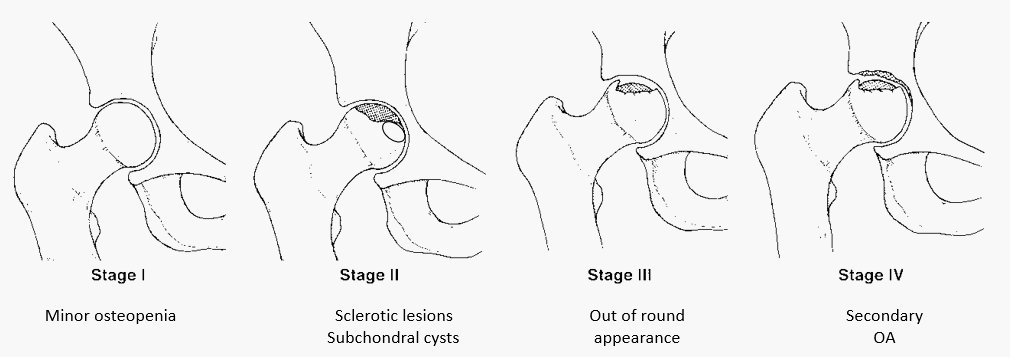
Ficat and Arlet first classified avascular necrosis of femoral head (AVN) in 1964 before the advent of MRI which was later modified and published in 1985 to include pre-radiographic stages relying on invasive testing procedures. The classification system later underwent further modifications that include MRI findings, patient symptoms and modifies…