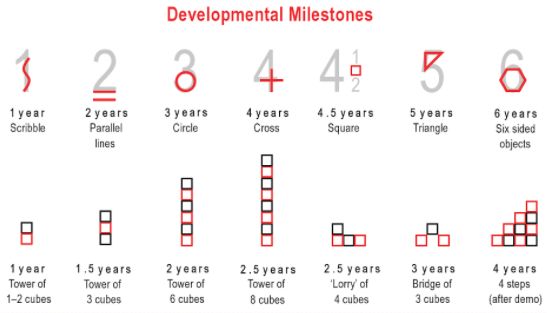
Principles of development Development proceeds from the head downward (cephalocaudal principle). Development proceeds from the center of the cody outward (proximodistal development). Development depends on maturation and learning. Development proceeds from the simple to the more complex. Growth and development is a sequential and continuous process. Growth and development proceed…
Tag: Pediatrics
Section Editor: Dr. Sujit Kumar Shrestha, MD Pediatrics, Fellowship Neonatology
PGMEE, MRCS, USMLE, MBBS, MD/MS
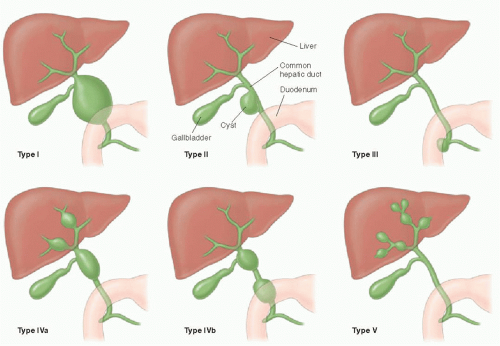
Choledochal Cysts : Mnemonic for Todani Classification
Todani Classification of Choledochal cysts Mnemonic: Consider I is “Extrahepatic” and V is “Intrahepatic”, then – Type I, II and III = Extrahepatic Type IV = Extrahepatic + Intrahepatic Type V = Intrahepatic Most common: Type I 2nd most common: Type IV Type I-III: Extrahepatic Mnemonic: 123 EDC Type…
Case Reports
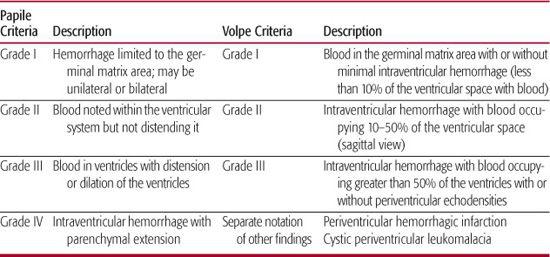
Catastropic Intraventricular Hemorrhage in Preterm IUGR newborn
A 31 weeks of gestation baby was born through emergency LSCS for Severe maternal hypertension. At birth baby required resuscitation and baby was intubated and transferred to NICU for ventilation. Fluids and Inotropes were started and ABG was sent. Vitamin K was given stat. Blood gas showed severe metabolic acidosis,…
PGMEE, MRCS, USMLE, MBBS, MD/MS

Modified Centor Criteria for Likelihood of Bacterial Infection In Sore throat
Centor Criteria Mnemonic: CENTOr 1. Cough absent or Can’t cough = +1 2. Exudates or Enlarged tonsils = +1 3. Nodes (Swollen tender anterior cervical lymph nodes) = +1 4. Temeperature >100.4 F = +1 5. Or: <15 years = +1 15-44 years = 0 ≥45 years = -1 Scoring
Clinical Skills and Approaches
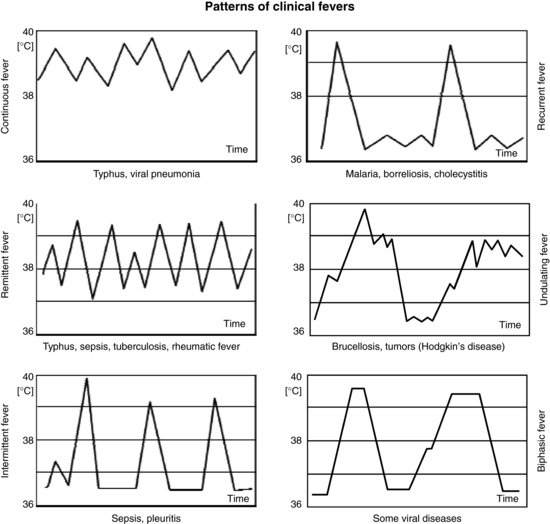
Fever : Definition, Mechanism and Types
Definition of Fever Studies have found that the maximum normal oral temperature is 37.2ºC (98.9ºF) at 6 A.M. and 37.7ºC (99.9ºF) at 4 P.M.; these values define the 99th percentile for healthy individuals. Hence, an A.M. temperature of >37.2ºC (>98.9ºF ) or a P.M. temperature of >37.7ºC (>99.9ºF) would define…
Clinical Skills and Approaches
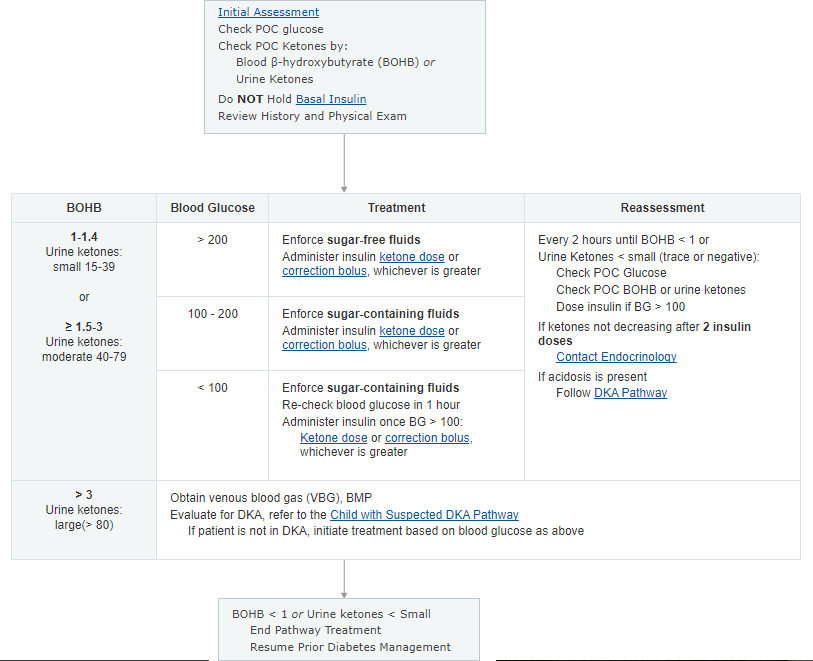
Diabetic Ketosis without Acidosis
Ketosis and Ketonuria Ketosis and Ketonuria may occur whenever increased amounts of fat are metabolized, carbohydrate intake is restricted, or the diet rich in fats (either “hidden” or obvious). This state can occur in the following situations: a. Metabolic conditions: Diabetes mellitus Renal glycosuria Glycogen storage disease (von Gierke’s disease)…
PGMEE, MRCS, USMLE, MBBS, MD/MS
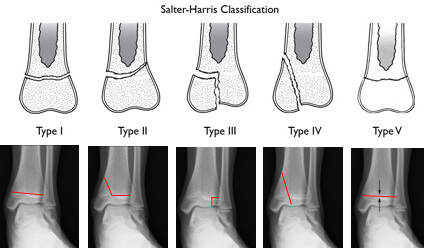
Salter Harris Classification for Physeal Fracture: Mnemonic
In children, the growth plate (physis) is a zone of cartilate situated between the epiphysis and the metaphysis of long bones. Cartilage is weaker than bone and thus is a common site of fracture. The Salter-Harris classification consists of 5 different types of growth plate fractures based on the location…
Emergency Medicine
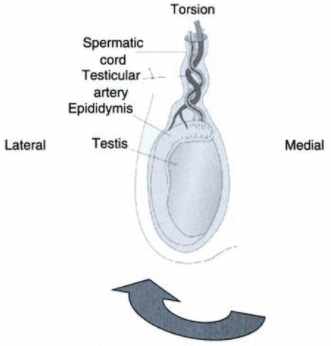
Manual detorsion of testis in Testicular Torsion
Indications of Manual Detorsion It can serve as a temporizing measure to attempt to reperfuse the testis while the patient is awaiting definite surgical management. Contraindications of Manual Detorsion Manual detorsion is not recommended for torsion of duration >6-8 hours (prolonged ischemia leads to marked swelling and edema after which…