Skip to content
Epomedicine

Mnemonics, Simplified Concepts & Thoughts

Epomedicine

Mnemonics, Simplified Concepts & Thoughts

protein-c-s mnemonic

Protein C and S pathway – Mnemonic

Dr. Sulabh Kumar Shrestha, MS Orthopedics, May 23, 2019May 23, 2019
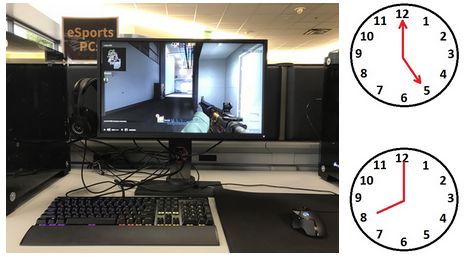
Mnemonic: Time To Play Counter Strike (CS) at 5 and 8 o’clock

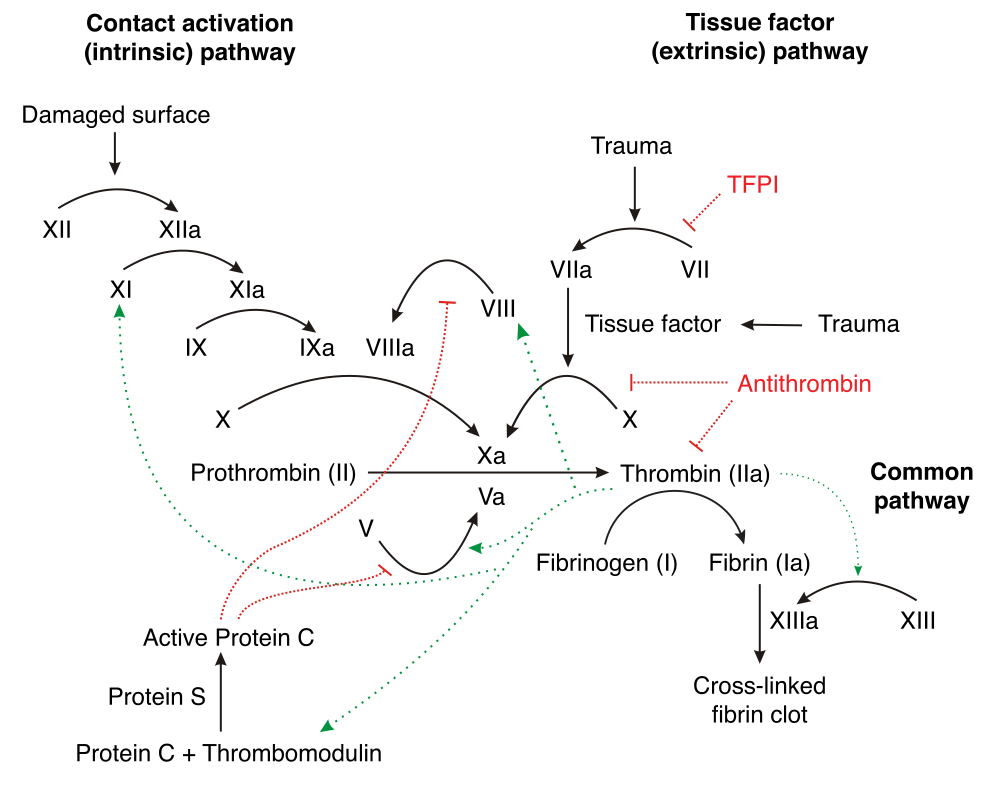
Factor Va and VIIIa are different in coagulation cascade. They are the co-factors for factor Xa and IXa respectively.

Another mnemonic: protein C Cuts Coagulation by Cutting Cofactors (Va and VIIIa)

Protein S is cofactor for protein S.

Protein C and S pathway using the mnemonic:

  1. Time To: Thrombin (factor IIa) – Thrombomodulin complex
  2. Play Counter Strike: Protein C and S
  3. 5 and 8 o’clock: Va and VIIIa
Joe D [CC BY-SA 3.0], via Wikimedia Commons

Clinical implications:

a. Factor V leiden mutation: Factor V resistant to inhibition by activated protein C (APC) leading to hypercoagulability.

b. Warfarcin induced Paradoxical hypercoagulability: The half-life of protein C is relatively short 6-8 hours. With inhibition of vitamin K, level of protein C falls before that of vitamin K dependent pro-coagulant factors like II, VII, IX and X, which have a half life of 5-7 days. This results in loss of protein C anticoagulant effect before inhibition of coagulation pathway achieved, and for a short time the patient becomes paradoxically more hypercoagulable.

  • This can lead to skin or subcutaneous necrosis secondary to thrombosis.
  • Heparin is co-administered with warfarin initially in cases of DVT to prevent this complication.

Review simplified coagulation cascade.

dr. sulabh kumar shrestha
Dr. Sulabh Kumar Shrestha, MS Orthopedics

He is the section editor of Orthopedics in Epomedicine. He searches for and share simpler ways to make complicated medical topics simple. He also loves writing poetry, listening and playing music. He is currently pursuing Fellowship in Hip, Pelvi-acetabulum and Arthroplasty at B&B Hospital.
27 shares
  • Facebook27
  • Twitter
PGMEE, MRCS, USMLE, MBBS, MD/MS Hematology

Post navigation

Previous post
Next post

Related Posts

PGMEE, MRCS, USMLE, MBBS, MD/MS renal embryology schematic

Renal (Kidney) Development – Embryology Made Easy

Aug 7, 2016Aug 8, 2016

Kidney development occurs chronologically from cranial to caudal direction from urogenital ridge (intermediate mesoderm) in 3 different phases. Intermediate mesoderm → urogenital ridge (longitudinal elevation along dorsal body wall) → nephrogenic cord → Pronephros, Mesonephros and Metanephric mesoderm/blastema Remember the embryology of brain – from cranial to caudal, the primordial…

Read More
PGMEE, MRCS, USMLE, MBBS, MD/MS chronic lead poisoning

Chronic Lead Poisoning : Mnemonic

Jun 21, 2018

Mnemonic: ABCDEFGH Anemia: Results from ALA dehydrogenase inhibition Also causes RBC membranes to be permeable to K+ and decrease Na+/K+ ATPase leading to hemolysis Basophilic stippling Burtonian lines: Gum “lead lines” develop in 2-50% Results from subepithelial deposit of lead sulfide granules on gingival margins Colic: Spasmodic pain involving smooth…

Read More
PGMEE, MRCS, USMLE, MBBS, MD/MS pulmonary embolism xray

Perioperative Management of Venous thromboembolism (VTE)

Nov 3, 2021Nov 3, 2021

Recommended duration of anticoagulant prophylaxis The recommendations are as follows: 1. Provoked DVT (with reversible surgical or nonsurgical provoking factor): 3 months 2. Unprovoked isolated distal DVT (has low risk of recurrence): 3 months 3. Unprovoked proximal DVT or PE: Indefinite therapy if D-dimer positive after 1 month after 3 months of therapy or second VTE…

Read More

Leave a Reply Cancel reply

Your email address will not be published. Required fields are marked *

This site uses Akismet to reduce spam. Learn how your comment data is processed.

Shrestha SK. Protein C and S pathway – Mnemonic [Internet]. Epomedicine; 2019 May 23 [cited 2025 Dec 13]. Available from: https://epomedicine.com/medical-students/protein-c-and-s-pathway-mnemonic/.

Pre-clinical (Basic Sciences)

Anatomy

Biochemistry

Community medicine (PSM)

Embryology

Microbiology

Pathology

Pharmacology

Physiology

Clinical Sciences

Anesthesia

Dermatology

Emergency medicine

Forensic

Internal medicine

Gynecology & Obstetrics

Oncology

Ophthalmology

Orthopedics

Otorhinolaryngology (ENT)

Pediatrics

Psychiatry

Radiology

Surgery

RSS Ask Epomedicine

  • What to study for Clinical examination in Orthopedics?
  • What is the mechanism of AVNRT?

Epomedicine weekly

  • About Epomedicine
  • Contact Us
  • Author Guidelines
  • Submit Article
  • Editorial Board
  • USMLE
  • MRCS
  • Thesis
©2025 Epomedicine . All rights reserved.