Skip to content
Epomedicine

Mnemonics, Simplified Concepts & Thoughts

Epomedicine

Mnemonics, Simplified Concepts & Thoughts

fetus

Non-invasive Prenatal Screening

Epomedicine, Jun 8, 2019Mar 11, 2021

Quick review/Mnemonic:

PAPP-A is decreased in all trisomies.
Nuchal translucency is increased in all trisomies.

Inhibin A is only increased in Down’s syndrome.
Beta-HCG is increased in Down’s syndrome.

All triple test results decreased in Edward syndrome.

Only AFP is increased in NTDs and abdominal wall defects.

Acetylcholinesterase level increased in Amniotic fluid is most specific marker for NTDs.

In Turner’s syndrome: All decreased in Quad test (if no hydrops) and like Down’s, i.e. increased HCG and Inhibin A (if hydrops)
fetus
Test Timing (Gestational weeks) Components Conditions
1st trimester combined screening 11–13 Nuchal translucency (NT) 

β-HCG

PAPP-A(pregnancy-associated protein A)
Down syndrome/Trisomy 21: ↑ HCG, ↓ PAPP-A, thickened NT

Edward syndrome/Trisomy 18: ↓ HCG, ↓↓ PAPP-A, ↑ NT

Patau syndrome/Trisomy 13: ↓↓ PAPP-A, ↑ NT

Neural tube defects: ↑ HCG
Quad screen test  15–20HCG
AFP
Estriol (uE3)
Inhibin A (DIA)
Trisomy 21: ↑ β-HCG, ↓ AFP, and ↓ uE3, ↑ DIA

Trisomy 18: ↓↓ β-HCG, ↓ AFP, and ↓↓ uE3, ↓ DIA

Trisomy 13: = HCG, = AFP , = uE3, = DIA

Neural tube defects and Abdominal wall defects: = HCG, ↑ AFP, = uE3, = DIA
Triple screen test 15–20Quad test – Inhibin A
Sequential integrated test 10-13 then 15–20 1st trimester combined + Quad
Cell-free fetal DNA testing(cffDNA) >10Fetal DNA is isolated from a maternal blood specimen for genetic testing  Chromosomal aberrations (high specificity and sensitivity for trisomy 21 > trisomy 18 >trisomy 13)

Gender determination
22 shares
  • Facebook22
  • Twitter
PGMEE, MRCS, USMLE, MBBS, MD/MS ObGynPathology

Post navigation

Previous post
Next post

Related Posts

PGMEE, MRCS, USMLE, MBBS, MD/MS

Gout : Mnemonics

Sep 20, 2022Sep 20, 2022

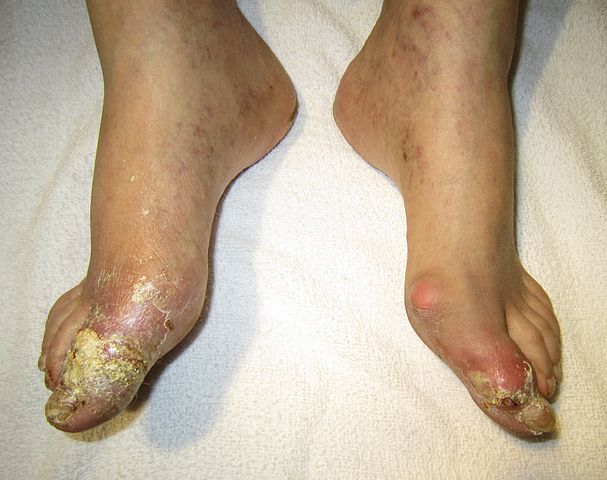
Urate Lowering Therapy (ULT) Mnemonic: 1, 2, 3, 4, 5, 6 Start Urate Lowering Therapy if: ≥1 subcutaneous tophi ≥2 flares per year ≥3 stage CKD with Serum uric acid (SUA) ≥ 9 mg/dl Other indications: Urate renal stone, Evidence of joint destruction in X-ray 4. ≥4 weeks to be…

Read More
PGMEE, MRCS, USMLE, MBBS, MD/MS

Sciatic Nerve Variations around Piriformis Muscle

Jul 15, 2025Jul 15, 2025

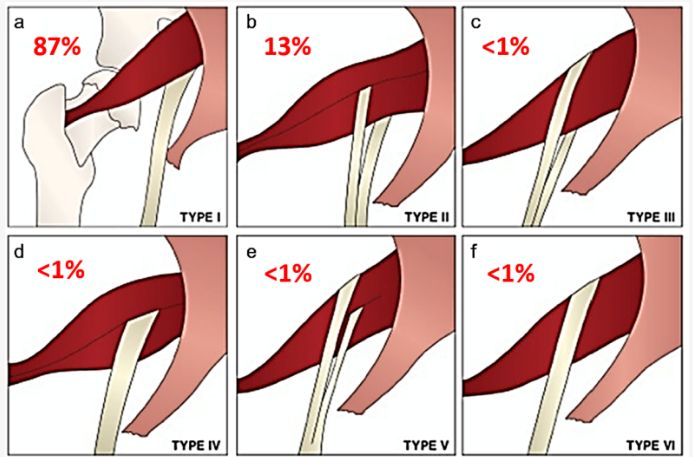
Variations involving the relationship between the sciatic nerve and the piriformis muscle are commonly classified based on Beaton and Anson’s classification. Mnemonic: I Prefer Smart Anatomy For Perfect nerve-sparing Type Mnemonic Meaning Description Prevalence I I Inferior Undivided sciatic nerve passes below piriformis 87% II Prefer Piercing Peroneal pierces, tibial…

Read More
PGMEE, MRCS, USMLE, MBBS, MD/MS antidepressant side effects

Antidepressants Made Easy

Jan 4, 2017

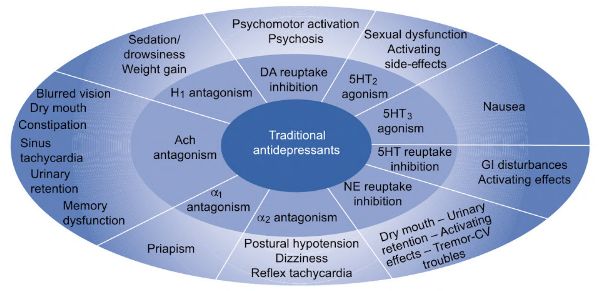
Tricyclic Antidepressants (TCA) Mnemonic: -pramine, -triptyline, -pin Secondary amines: predominantly norepinephrine reuptake inhibitors Nor-triptyline Desi-pramine Tertiary amines: Ami-triptyline Imi-pramine Clomi-pramine Doxe-pin Irreversible MAO Inhibitors Mnemonic: TIPS Non-selective MAO inhibitors: Tranylcypromine Isocarboxazid Phenelzine Selective MAO-B inhibitor: Selegiline (transdermal patch) Reversible Inhibitor of MAO-A (RIMA) Moclobemide Tolaxatone Tetracyclic Antidepressants Nonselective inhibitor of…

Read More

Comments (2)

  1. Rasha says:
    Mar 9, 2021 at 3:52 am

    I believe AFP is normal for Patau syndrome

    Reply
    1. Epomedicine says:
      Mar 9, 2021 at 12:21 pm

      Hello Rasha, Thank you for the correction. AFP actually seems to be an unreliable marker for diagnosis of Patau syndrome (trisomy 13). Different resources quote that AFP to be decreased, normal or increased. Some fewer than 50% of affected babies may have open neural tube defects or ventral wall defects, where AFP may be increased. So, we will go with normal AFP for Patau syndrome.

      Reply

Leave a Reply Cancel reply

Your email address will not be published. Required fields are marked *

This site uses Akismet to reduce spam. Learn how your comment data is processed.

Pre-clinical (Basic Sciences)

Anatomy

Biochemistry

Community medicine (PSM)

Embryology

Microbiology

Pathology

Pharmacology

Physiology

Clinical Sciences

Anesthesia

Dermatology

Emergency medicine

Forensic

Internal medicine

Gynecology & Obstetrics

Oncology

Ophthalmology

Orthopedics

Otorhinolaryngology (ENT)

Pediatrics

Psychiatry

Radiology

Surgery

RSS Ask Epomedicine

  • What to study for Clinical examination in Orthopedics?
  • What is the mechanism of AVNRT?

Epomedicine weekly

  • About Epomedicine
  • Contact Us
  • Author Guidelines
  • Submit Article
  • Editorial Board
  • USMLE
  • MRCS
  • Thesis
©2026 Epomedicine | WordPress Theme by SuperbThemes