Skip to content
Epomedicine

Mnemonics, Simplified Concepts & Thoughts

Epomedicine

Mnemonics, Simplified Concepts & Thoughts

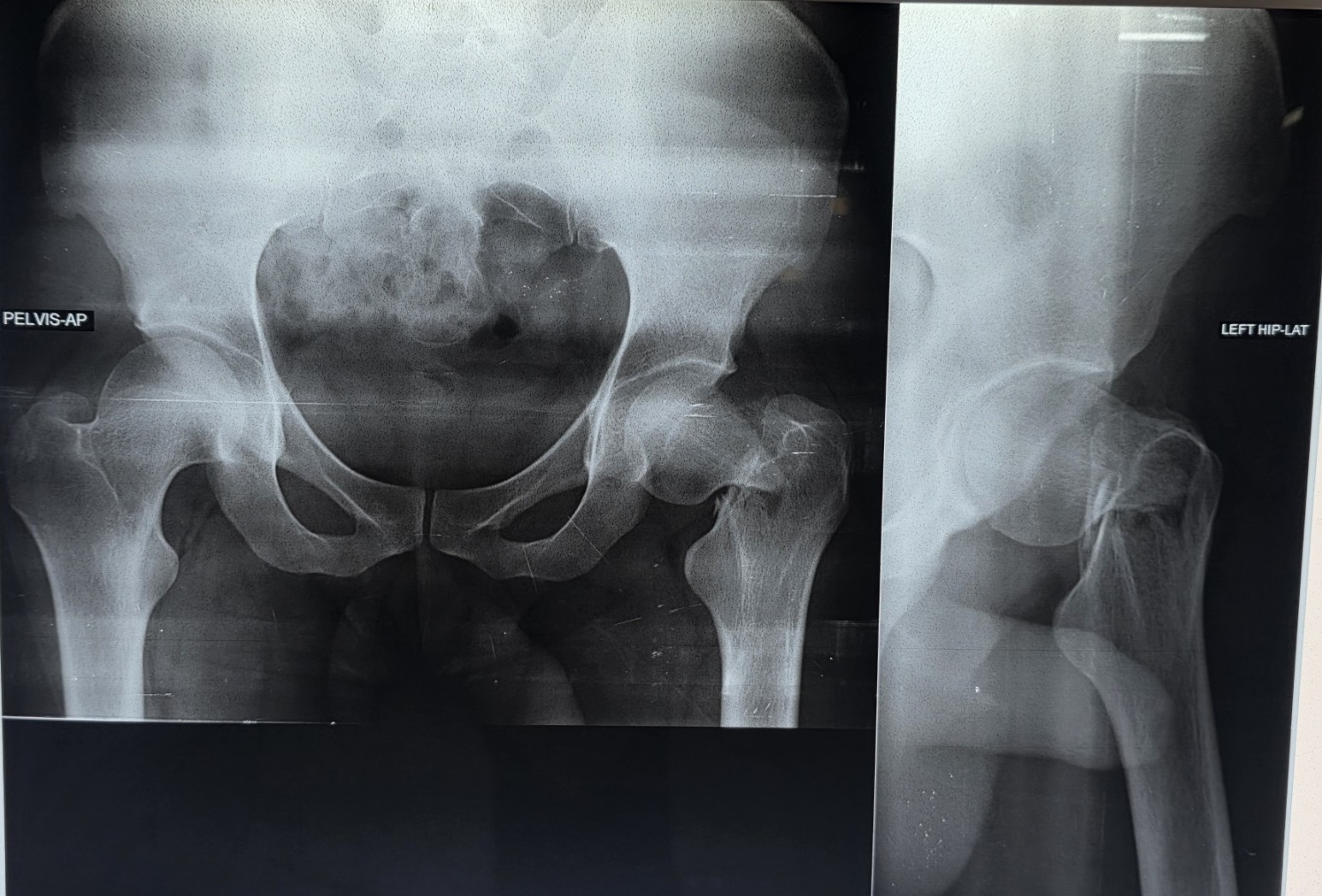
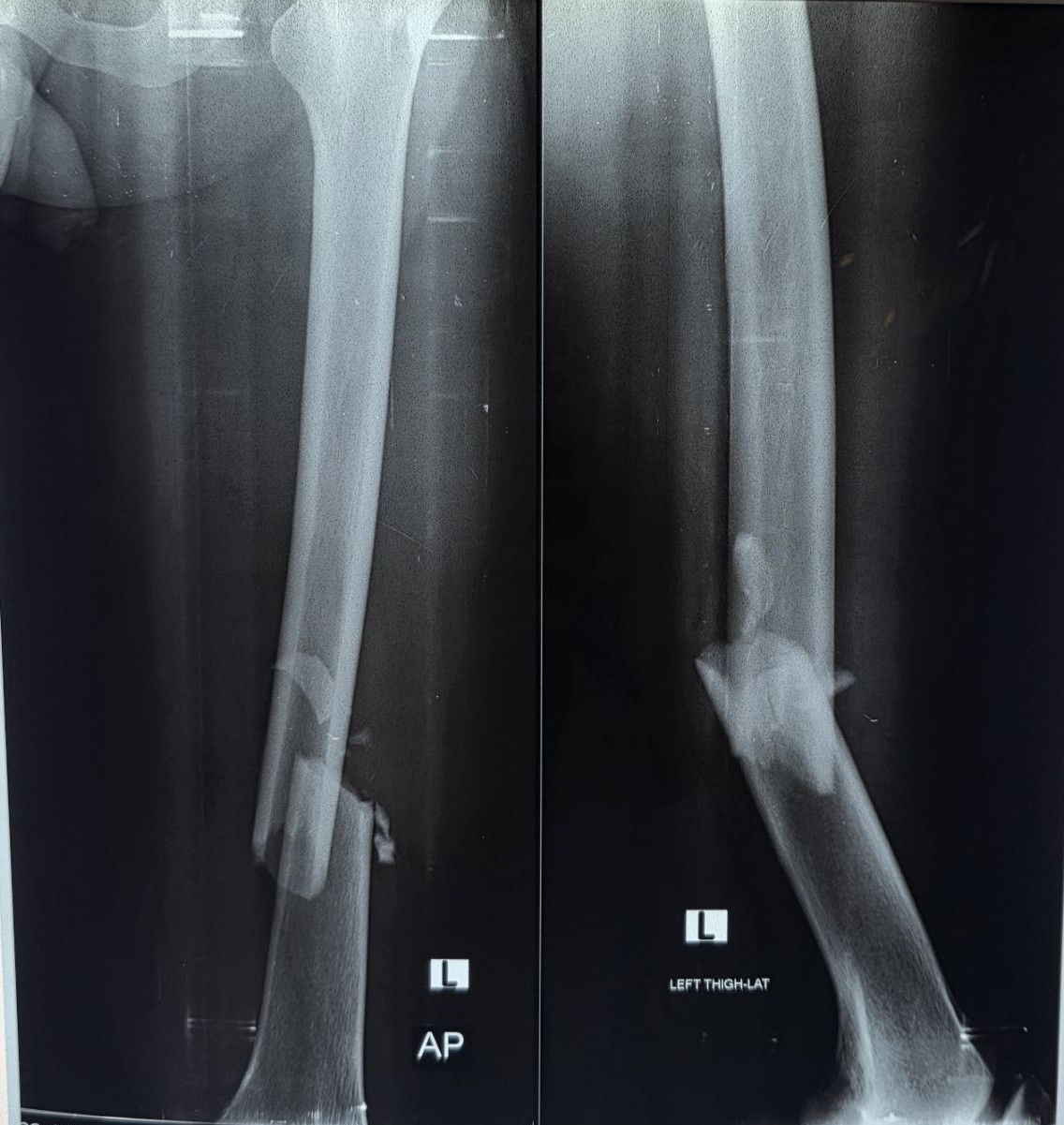
Ipsilateral Femoral Neck and Shaft Fracture

Dr. Sulabh Kumar Shrestha, MS Orthopedics, Sep 29, 2026Sep 29, 2026

General

  • Accounts for approximately 2.5-9% of femoral fractures
  • Frequently occurs in polytrauma
  • Femoral neck fractures may be missed initially in 19-31% of cases
  • The neck fracture is commonly basicervical (63-89%)
  • Major concerns:
    • AVN
    • Nonunion
    • Malunion
    • Rotational deformity
    • Limb shortening

Treatment Options

1. Reconstruction/cephalomedullary nail

  • Single implant for both fractures
  • Biological fixation with smaller incisions
  • Potentially less blood loss
  • Disadvantages:
    • Technically demanding, particularly with a displaced neck fractures (Further reading)
    • Risk of varus malreduction, rotational malalignment, or inadequate neck fixation

2. Plate + screw/DHS fixation

  • Separate fixation of neck and shaft
  • Technically easier in many cases
  • Allows direct control of the neck fracture
  • More extensive exposure and potentially greater soft-tissue disruption

Other strategies include:

  • Antegrade shaft nail + separate neck screws (Miss-a-nail technique)
  • Retrograde nail + neck screw fixation
  • Various combined plate constructs

Which Fracture First?

For a displaced femoral neck fracture, reduction and temporary stabilization with guidewires can prevent further displacement.

A practical sequence is:

  • Step 1: Reduction and temporary stabilization of neck
  • Step 2: Reduction and fixation of shaft
  • Step 3: Definitive neck fixation

Stabilizing the shaft can facilitate reduction of the displaced neck fracture and help avoid rotational malalignment.

Timing

Unlike an isolated femoral neck fracture, immediate emergency fixation of the neck may not always be necessary in this combined injury pattern.

In polytrauma patients, surgery may be delayed according to the patient’s overall condition.

The case series reported that a 5–6 day delay in fixation did not appear to increase AVN or adversely affect functional outcome.

Treatment Goals

  1. Anatomic reduction of femoral neck fracture
  2. Stable fixation of both femoral neck and shaft fractures
  3. Early mobilization

References and further reading:

  1. Singh R, Rohilla R, Magu NK, Siwach R, Kadian V, Sangwan SS. Ipsilateral femoral neck and shaft fractures: a retrospective analysis of two treatment methods. J Orthop Traumatol. 2008 Sep;9(3):141-7. doi: 10.1007/s10195-008-0025-3. Epub 2008 Aug 7. PMID: 19384610; PMCID: PMC2656981.

dr. sulabh kumar shrestha
Dr. Sulabh Kumar Shrestha, MS Orthopedics

He is the section editor of Orthopedics in Epomedicine. He searches for and share simpler ways to make complicated medical topics simple. He also loves writing poetry, listening and playing music. He is currently pursuing Fellowship in Hip, Pelvi-acetabulum and Arthroplasty at B&B Hospital.

  • Facebook
  • Twitter
PGMEE, MRCS, USMLE, MBBS, MD/MS OrthopedicsTrauma

Post navigation

Previous post

Related Posts

PGMEE, MRCS, USMLE, MBBS, MD/MS dural reflections and venous sinuses

Dural Reflections and Venous Sinuses

Aug 1, 2016Aug 22, 2023

Dura mater (pachymenix) is the outer meningeal layer consisting of: Dural Reflections These are the infoldings formed by the inner meningeal layer reflecting away from the fixed periosteral dural layer. Two vertical reflections – Separate the right and left hemisphere Two horizontal reflections Dural Venous Sinuses 1. Superior sagittal sinus:…

Read More
PGMEE, MRCS, USMLE, MBBS, MD/MS

Internal Iliac Artery Anatomy : Simplified

Oct 5, 2020Oct 5, 2020

Origin L5-S1 (common iliac artery bifurcation; anterior to SI joint) Course Extends down and posteriorly ~4 cm until superior margin of greater sciatic foramen and bifurcates into 2 trunks (in 60% cases) – Anterior trunk: continuation of the main artery towards ischial spine Posterior trunk: passes towards greater sciatic foramen…

Read More
PGMEE, MRCS, USMLE, MBBS, MD/MS

Scapular Dyskinesis

Apr 16, 2025Apr 16, 2025

Definition: Abnormal scapular motion which may refer to – Causes: 1. Primary: Due to abnormalities arising in Scapulo-thoracic articulation, periscapular muscles and nerves 2. Secondary: Response to shoulder abnormalities Types: It is categorized into three main types based on the prominence of specific areas of the scapula during movement. Clinical…

Read More

Leave a Reply Cancel reply

Your email address will not be published. Required fields are marked *

This site uses Akismet to reduce spam. Learn how your comment data is processed.

Shrestha SK. Ipsilateral Femoral Neck and Shaft Fracture [Internet]. Epomedicine; 2026 Sep 29 [cited 2026 Sep 29]. Available from: https://epomedicine.com/medical-students/ipsilateral-femoral-neck-and-shaft-fracture/.

Pre-clinical (Basic Sciences)

Anatomy

Biochemistry

Community medicine (PSM)

Embryology

Microbiology

Pathology

Pharmacology

Physiology

Clinical Sciences

Anesthesia

Dermatology

Emergency medicine

Forensic

Internal medicine

Gynecology & Obstetrics

Oncology

Ophthalmology

Orthopedics

Otorhinolaryngology (ENT)

Pediatrics

Psychiatry

Radiology

Surgery

RSS feed: Ask Epomedicine Ask Epomedicine

  • What to study for Clinical examination in Orthopedics?
  • What is the mechanism of AVNRT?

Epomedicine weekly

  • About Epomedicine
  • Contact Us
  • Author Guidelines
  • Submit Article
  • Editorial Board
  • USMLE
  • MRCS
  • Thesis
©2026 Epomedicine | WordPress Theme by SuperbThemes