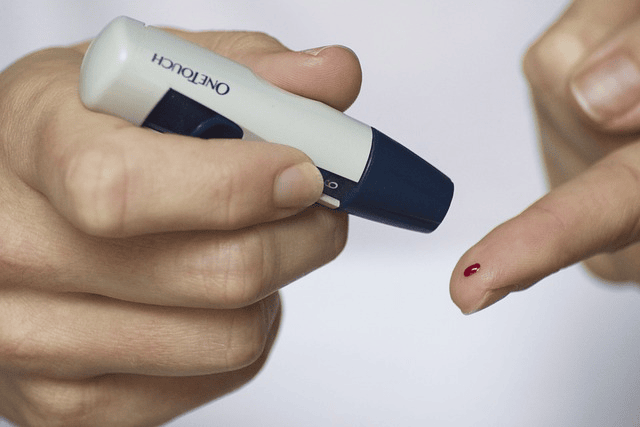
the first-line medication doctors reach for when blood sugar runs high, and the supplements people most often add alongside it, cinnamon and berberine above all, push in the same direction. The interaction checkers pharmacists use tend to rate those pairings “moderate.” In practice that label means the combination can move blood sugar enough that somebody should be keeping an eye on the numbers.
What a “moderate” rating actually means
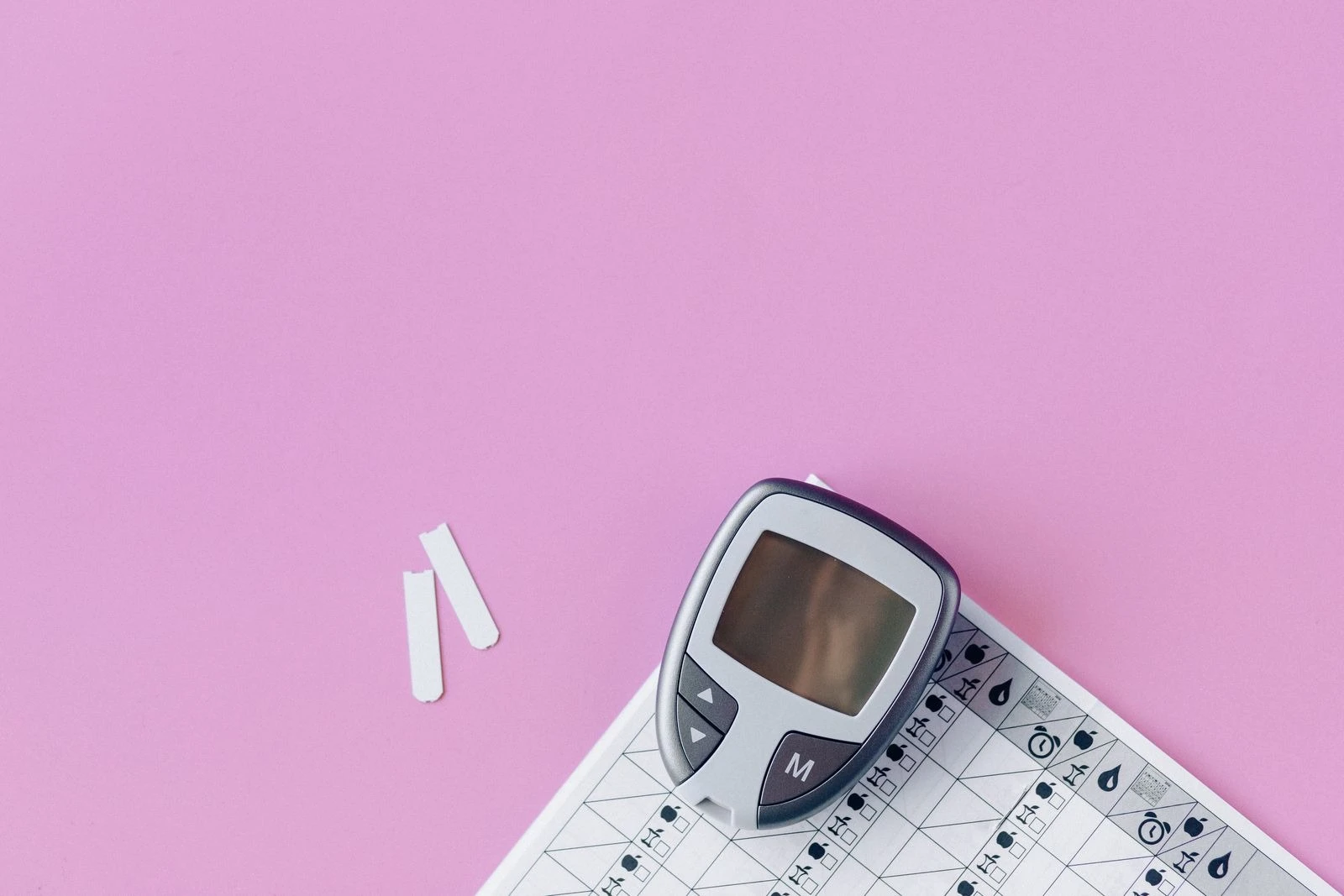
Drugs.com lists cinnamon with metformin as a moderate interaction, and its consumer note says more than the label color does. Regular cinnamon use, it says, “may help manage blood glucose levels in some patients, which may lead to a reduction in your dosage requirement” of metformin, and blood glucose should be monitored so a doctor can adjust the prescription if needed.
The concern, then, is arithmetic. Two things nudging glucose down can add up to more than a prescription was dosed for.
How much that matters depends on what else is in the medicine cabinet. A pharmacist writing for HelloPharmacist points out that metformin on its own rarely causes low blood sugar, and that the bigger worry sits with drugs that act on insulin directly, such as sulfonylureas like glipizide, or insulin itself. Someone on metformin alone has more margin. Someone on metformin plus glipizide needs a more careful conversation with the prescriber before adding anything at all.
Cinnamon
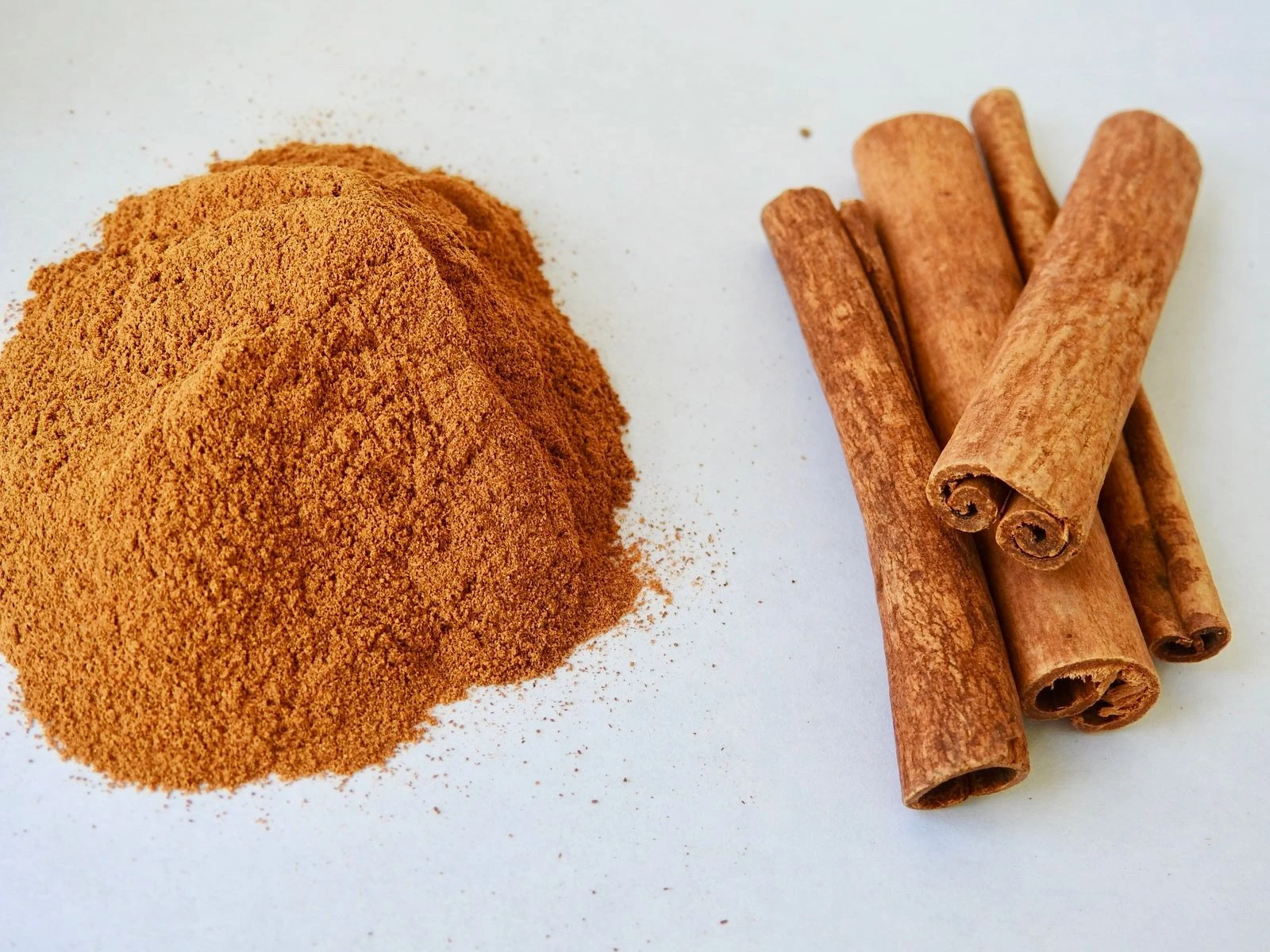
Cinnamon has the most confusing research of the group. The National Center for Complementary and Integrative Health (NCCIH) cites a 2019 review of 16 studies, covering 1,098 people with prediabetes or type 2 diabetes, that found cinnamon helped reduce fasting blood glucose and insulin resistance. The same agency still calls the evidence weak, and one of its reasons is almost clerical: a lot of the studies don’t say which species of cinnamon they tested.
That gap matters because the two main species behave differently. Cassia, the kind most commonly sold in North America, contains varying amounts of coumarin, a compound NCCIH says might cause or worsen liver disease in sensitive people. Ceylon cinnamon, grown mainly in Sri Lanka, may contain only a trace. For anyone planning to take cinnamon every day for months, the species printed on the label is the first thing to check.
Brands built around Ceylon usually say so up front. Metabolae’s Ceylon cinnamon softgels, for example, list Sri Lankan Ceylon concentrated 12:1 into an MCT oil softgel taken once a day, and the company’s own FAQ tells anyone managing blood sugar with medication to talk to their doctor before starting. It’s the same advice the interaction databases give. That’s a decent sign about a brand.
Berberine
NCCIH cites a 2021 review of 46 studies, 4,158 participants in all, suggesting berberine may lower blood glucose and reduce insulin resistance in type 2 diabetes. The review’s own authors flagged that most of the studies were done among Chinese patients and that some of them were poor quality.
The stomach is where plenty of people give up on it. Mild to moderate nausea, diarrhea, bloating and constipation are the side effects NCCIH lists. HelloPharmacist, drawing on the Natural Medicines database, rates berberine with metformin as a moderate interaction for the same additive reason as cinnamon. NCCIH adds that berberine may interact with other medicines too, and that’s where the full medication list really earns its keep.
Chromium
Chromium is an essential trace mineral. A 2022 review of 16 studies (868 participants) cited by NCCIH suggested chromium supplements may improve HbA1c, fasting glucose and insulin resistance in type 2 diabetes, and Drugs.com rates chromium picolinate with metformin as moderate, with the same note about possibly needing less medication.
The kidneys are the catch. NCCIH mentions a few reports of kidney and liver damage following large doses and says long-term use hasn’t been well studied. Diabetes is also the leading cause of kidney disease, so anyone with reduced kidney function shouldn’t take chromium without a provider watching it.
Alpha-lipoic acid and magnesium
Both come up a lot in supplement conversations, and neither has much to show for blood sugar itself. A 2019 review of 10 studies found alpha-lipoic acid did no better than placebo at lowering blood sugar, although separate research suggests it may help with diabetes-related nerve pain. Headache and heartburn are among the side effects people report.
Magnesium looks a little more promising. One 2021 review found supplementation may improve insulin sensitivity in people at high risk of diabetes, though the research on day-to-day blood sugar control is still too thin for clinical guidelines. The upper limit for adults from supplements is 350 mg a day unless a doctor says otherwise, and large doses tend to show up as diarrhea and cramping.
The one metformin may actually call for
Vitamin B12 runs the other way. According to the NIH Office of Dietary Supplements, metformin might reduce the absorption of B12 and significantly lower blood levels of it. That makes B12 status a sensible thing to raise at the next appointment, since deficiency symptoms like fatigue or numbness and tingling in the hands and feet can take years to appear and are easy to blame on something else.
So which ones are safe?
The ones the prescriber knows about. That can sound like a dodge, but it’s how the safety actually works: cinnamon, berberine and chromium can all move glucose in the same direction as metformin, and the risk is a dose that no longer fits. Adding one supplement at a time and keeping the glucose log going for the first few weeks covers most of it. It also helps to bring the bottle itself to the next appointment. That way the label gets read instead of remembered.
What a supplement shouldn’t do is replace the prescription. NCCIH notes that the FDA has warned about products sold as a “natural diabetes cure” or claiming to “replace your diabetes medicine,” and says plainly that unproven products shouldn’t stand in for treatment. A Ceylon cinnamon softgel or a magnesium tablet can sit alongside metformin for plenty of people once their doctor has signed off on it.