Skip to content
Epomedicine

Mnemonics, Simplified Concepts & Thoughts

Epomedicine

Mnemonics, Simplified Concepts & Thoughts

hyperkalemia ecg

Hyperkalemia Management – Mnemonic Approach

Epomedicine, Oct 24, 2020Oct 24, 2020

Mnemonic: C BIG K D

hyperkalemia ecg

Calcium gluconate (Cardiac stabilizer)

It is generally accepted that calcium should be given when there are ECG changes associated with hyperkalaemia.

Calcium gluconate 10% 10-30 ml IV (1-3 gm) over 5-10 minutes (Can be repeated after 5 minutes if ECG changes persistent)

0.5 ml/kg in children
Onsent of action: Immediate
Duration of action: 30-60 minutes

Calcium chloride contains 3 times more elemental calcium than calcium gluconate but must be given through central line due to high osmolarity.

Hyperkalaemic patients taking digoxin should be given calcium as a slow infusion over 20 to 30 minutes. This avoids hypercalcaemia that may potentiate the myocardial toxicity of digitalis.

Beta agonists (Drives K+ into cell)

Salbutamol

Onset of action: Within 30 minutes

IV: 0.5 mg (0.4 mcg/kg in children)

IV administration reduces K+ by ~1 to 1.5 mEq/l
Maximum effect for IV: 30 minutes

Nebulization: 10 mg (in children 2.5 mg if <25 kg and 5 mg if >25 kg) in 4 ml of NS over 10 minutes

Nebulization reduces K+ by 0.5 to 1 mEq/l
Maximum effect for nebulization: 90 minutes

Insulin with Glucose (Drives K+ into cell)

10 Units Soluble Insulin in 1-2 amp D50W IV over 5 minutes (Insulin 0.1-0.2 U/kg with 1ml/kg D50W)

Onset of action: 20 minutes
Maximum effect: 30-60 minutes
Duration: 4-6 hours
K+ drop by 0.6-1 mEq/L

Kayexalete (Gastrointestinal K+ binder)

1-2 gm/kg

Per Oral: Sodium polystyrene sulfonate 15-30 g in 100-200 ml 30% sorbitol (Sorbitol increases fecal excretion) or 10% glucose (repeated every 4-6 hours)

Per Rectal: 50 g with 150 ml tap water and left for atleast 60 minutes.

It may be indicated if haemodialysis is delayed (>2–3 hours).

Onset of action: 1-2 hours

Maximum effect: may take upto 6 hours

One gram resin exchanges 1mEq Na for 1mEq K

Adverse effect: Bowel necrosis

Diuretics (Renal K+ Excretor)

Can be used if patient is hypervolemic or normovolemic.

Furosemide 40 mg-80 mg (1-2 mg/kg) IV push

40 mg Furosemide = 1 mg Bumetanide
Onset of action: 15 minutes
Duration: 2-3 hours

Dialysis (Definitive management)

Indications:

  1. Severe hyperkalemia
  2. Drug measures have failed

K+ drops by 1 mEq/L in 1st hour and 2 mEq/L after 3 hours.
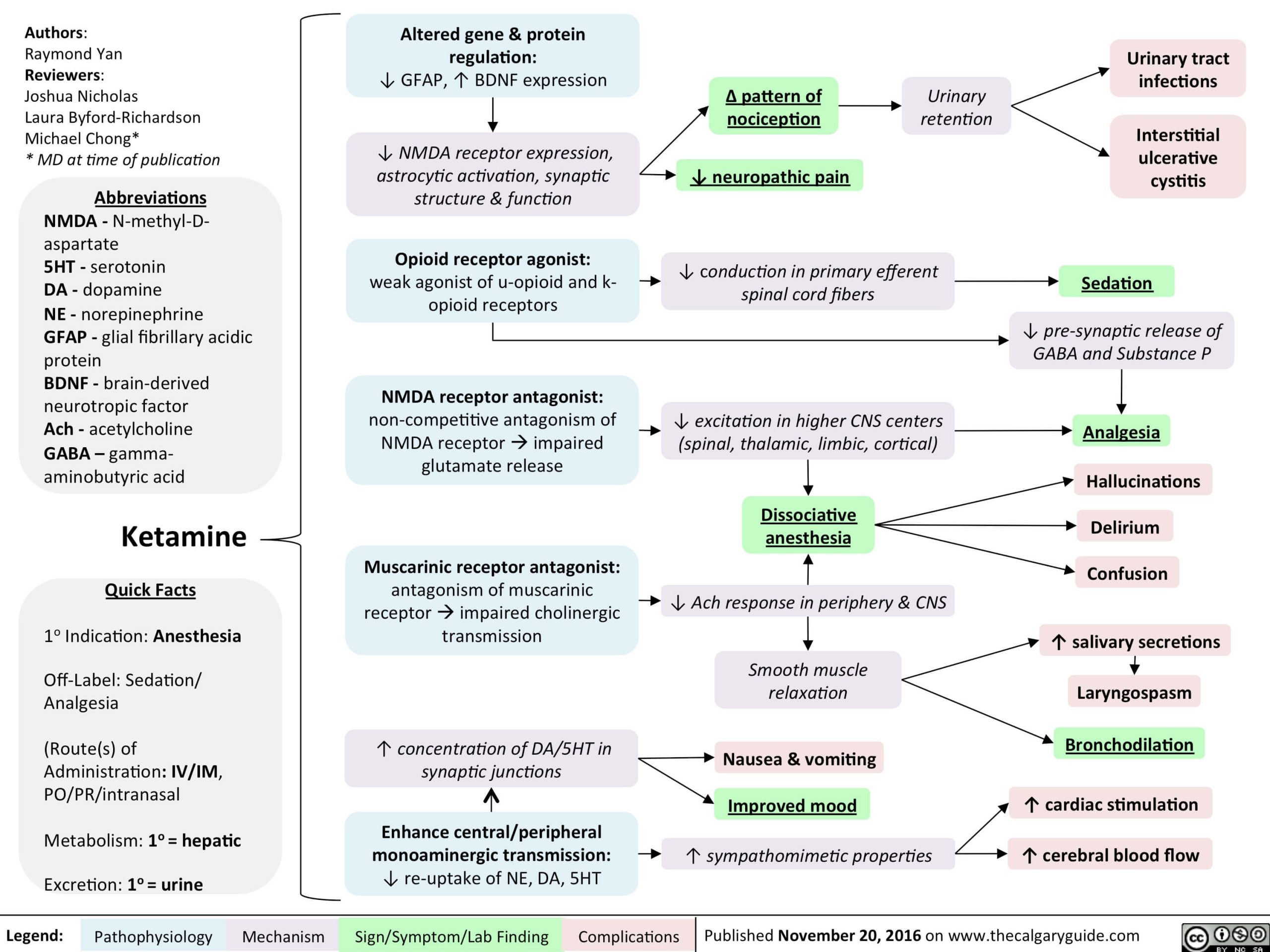
ECG changes in Hyperkalemia
  • Facebook
  • Twitter
PGMEE, MRCS, USMLE, MBBS, MD/MS Internal medicinePediatricsRenal and Electroloyte

Post navigation

Previous post
Next post

Related Posts

PGMEE, MRCS, USMLE, MBBS, MD/MS

Posterolateral corner (PLC) of knee

Oct 29, 2022Oct 29, 2022

Anatomy of PLC 3 major static stabilizers of PLC Lateral collateral ligament Popliteus tendon Popliteofibular ligament Other static stabilizers of PLC Lateral capsule thickening Arcuate ligament Fabellofibular ligament Dynamic stabilizers of PLC Biceps femoris Popliteus muscle Iliotibial band (ITB) Lateral head of gastrocnemius There are 2 “Y” shaped structures in…

Read More
PGMEE, MRCS, USMLE, MBBS, MD/MS carotid sheath

Neurovascular Relations in Anatomy

Mar 3, 2018

Porta hepatis Mnemonic: DAVE From anterior to posterior: Ducts (right and left hepatic duct branches) Arteries (right and left hepatic artery branches) Vein (portal vein) Epiploic foramen (foramen of Winslow) Femoral triangle or Scarpa’s triangle Mnemonic: NAVEL From lateral to medial Nerve (femoral nerve and femoral branch of genitofemoral nerve)…

Read More
PGMEE, MRCS, USMLE, MBBS, MD/MS venous draianage of face schematic

Venous drainage of Face : “W” shaped arrangement

Oct 18, 2017

When we look from lateral side, the veins on each side form a “W” shaped arrangement. Each corner of the “W” is prolonged upward into the scalp, and downward into the neck. Remember the 3 verticla stems of letter “W”: 1st stem (in face): Facial vein 2nd stem (behind mandible,…

Read More

Comment

  1. Dr Roshan says:
    Oct 30, 2020 at 12:12 am

    Can available 598 fact’s of high yielding & mnemonics.
    I will be very thankful.

    Reply

Leave a Reply Cancel reply

Your email address will not be published. Required fields are marked *

This site uses Akismet to reduce spam. Learn how your comment data is processed.

Pre-clinical (Basic Sciences)

Anatomy

Biochemistry

Community medicine (PSM)

Embryology

Microbiology

Pathology

Pharmacology

Physiology

Clinical Sciences

Anesthesia

Dermatology

Emergency medicine

Forensic

Internal medicine

Gynecology & Obstetrics

Oncology

Ophthalmology

Orthopedics

Otorhinolaryngology (ENT)

Pediatrics

Psychiatry

Radiology

Surgery

RSS Ask Epomedicine

  • What to study for Clinical examination in Orthopedics?
  • What is the mechanism of AVNRT?

Epomedicine weekly

  • About Epomedicine
  • Contact Us
  • Author Guidelines
  • Submit Article
  • Editorial Board
  • USMLE
  • MRCS
  • Thesis
©2026 Epomedicine | WordPress Theme by SuperbThemes