Skip to content
Epomedicine

Mnemonics, Simplified Concepts & Thoughts

Epomedicine

Mnemonics, Simplified Concepts & Thoughts

Eponyms in Tuberculosis (TB)

Epomedicine, Jul 27, 2024Jul 27, 2024

Tuberculosis (TB) is a multi-systemic, granulomatous disease caused by the bacilli Mycobacterium tuberculosis which is also known as Koch’s bacillus.

Primary Pulmonary Tuberculosis

1. Ghon focus or lesion: Subpleural fibro-caseous lesion of lung parenchyma (common site is upper part of lower lobe or lower part of upper lobe)

2. Ghon’s complex: Ghon focus + Surrounding lymph node involvement
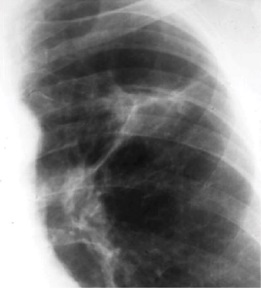
ghons complex
Basem Abbas Al Ubaidi, CC BY 4.0, via Wikimedia Commons

3. Ranke complex: Calcification & Fibrosis of Ghon’s complex

Post-primary (Reactivation or Reinfection) Pulmonary Tuberculosis

1. Simon’s focus: Hematogenous spread to apex of upper lobe and resultant apical fibrosis

2. Assman focus: Infra-clavicular foci or infiltrates due to reactivation of Simon’s focus

3. Puhl’s lesion or nodule: Supra-clavicular foci (apical lung) lesion from re-infection

Miliary Primary Tuberculosis

1. Weigert focus: Subintimal caseating metastatic focus in pulmonary vein wall

2. Rich focus: Tuberculous granuloma in brain cortex that ruptures into subarachnoid space

3. Simmond’s focus: Tubercular foci in liver

Extrapulmonary Tuberculosis

1. Pott’s spine: Spine tuberculosis (Tubercular spondylitis)

2. Poncet’s disease: Aseptic reactive arthritis in patients with extrapulmonary tuberculosis

3. Koenig’s syndrome: Intestinal tuberculosis

Others

1. Rassmussen’s aneurysm: Pulmonary artery aneurysm adjacent to or within a tuberculous cavity

2. Langhan’s giant cells: Multinucleated giant cells in tubercular granuloma

3. Ziehl-Neelsen stain: Acid fast staining

4. Mantoux test: Screening tool for tuberculosis

Reference and further reading: Saldanha, Prema; Saldanha, Julian1. Eponyms in Tuberculosis. Archives of Medicine and Health Sciences 4(2):p 287-289, Jul–Dec 2016. | DOI: 10.4103/2321-4848.196199
  • Facebook
  • Twitter
PGMEE, MRCS, USMLE, MBBS, MD/MS Infectious diseasePathologyRadiologyRespiratory system

Post navigation

Previous post
Next post

Related Posts

PGMEE, MRCS, USMLE, MBBS, MD/MS

Inguinal Canal : Mnemonics

Jul 1, 2024Jul 1, 2024

Walls of Inguinal Canal Mnemonic: SALP 2 X MALT Starting from superior, moving counterclockwise in order to posterior: 1. Superior (Roof): 2 Muscles (Internal oblique, Transverse abdominus) 2. Anterior: 2 Aponeuroses (External abdominal oblique, Internal abdominal oblique) 3. Lower (Floor): 2 Ligaments (Lacunar and Inguinal) 4. Posterior: 2 T‘s (conjoint…

Read More
PGMEE, MRCS, USMLE, MBBS, MD/MS refined abcd assessment tool

COPD Revision Notes

Feb 1, 2016Aug 10, 2019

DEFINITION OF CHRONIC OBSTRUCTIVE PULMONARY DISEASE (COPD) According to GOLD, COPD is a common preventable and treatable (not curable) disease characterized by: Persistent airflow limitation (Post-bronchodilator FEV1/FVC < 0.7), usually progressive (excludes Asthma) Due to airway and/or alveolar abnormalities usually caused by significant exposure to noxious particles or gases. Chronic…

Read More
PGMEE, MRCS, USMLE, MBBS, MD/MS erythropoietin mechanism

Erythropoietin (EPO) Physiology

Sep 2, 2017

Structure of erythropoietin (EPO) Glycoprotein hormone 165 amino acids Molecular mass – 30 kDa Site of production/synthesis of erythropoietin (EPO) Kidneys (75-90%): Peritubular interstitial cells Liver (15%; chief source in fetus and neonates): Centrilobular hepatocytes After birth, erythropoietin is not detectable until 8-12 weeks after birth leading to physiological anaemia…

Read More

Leave a Reply Cancel reply

Your email address will not be published. Required fields are marked *

This site uses Akismet to reduce spam. Learn how your comment data is processed.

Epomedicine. Eponyms in Tuberculosis (TB) [Internet]. Epomedicine; 2024 Jul 27 [cited 2025 Dec 20]. Available from: https://epomedicine.com/medical-students/eponyms-in-tuberculosis-tb/.

Pre-clinical (Basic Sciences)

Anatomy

Biochemistry

Community medicine (PSM)

Embryology

Microbiology

Pathology

Pharmacology

Physiology

Clinical Sciences

Anesthesia

Dermatology

Emergency medicine

Forensic

Internal medicine

Gynecology & Obstetrics

Oncology

Ophthalmology

Orthopedics

Otorhinolaryngology (ENT)

Pediatrics

Psychiatry

Radiology

Surgery

RSS Ask Epomedicine

  • What to study for Clinical examination in Orthopedics?
  • What is the mechanism of AVNRT?

Epomedicine weekly

  • About Epomedicine
  • Contact Us
  • Author Guidelines
  • Submit Article
  • Editorial Board
  • USMLE
  • MRCS
  • Thesis
©2025 Epomedicine . All rights reserved.