Skip to content
Epomedicine

Mnemonics, Simplified Concepts & Thoughts

Epomedicine

Mnemonics, Simplified Concepts & Thoughts

Eponyms in Tuberculosis (TB)

Epomedicine, Jul 27, 2024Jul 27, 2024

Tuberculosis (TB) is a multi-systemic, granulomatous disease caused by the bacilli Mycobacterium tuberculosis which is also known as Koch’s bacillus.

Primary Pulmonary Tuberculosis

1. Ghon focus or lesion: Subpleural fibro-caseous lesion of lung parenchyma (common site is upper part of lower lobe or lower part of upper lobe)

2. Ghon’s complex: Ghon focus + Surrounding lymph node involvement
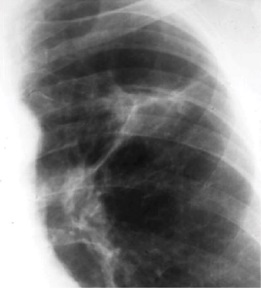
ghons complex
Basem Abbas Al Ubaidi, CC BY 4.0, via Wikimedia Commons

3. Ranke complex: Calcification & Fibrosis of Ghon’s complex

Post-primary (Reactivation or Reinfection) Pulmonary Tuberculosis

1. Simon’s focus: Hematogenous spread to apex of upper lobe and resultant apical fibrosis

2. Assman focus: Infra-clavicular foci or infiltrates due to reactivation of Simon’s focus

3. Puhl’s lesion or nodule: Supra-clavicular foci (apical lung) lesion from re-infection

Miliary Primary Tuberculosis

1. Weigert focus: Subintimal caseating metastatic focus in pulmonary vein wall

2. Rich focus: Tuberculous granuloma in brain cortex that ruptures into subarachnoid space

3. Simmond’s focus: Tubercular foci in liver

Extrapulmonary Tuberculosis

1. Pott’s spine: Spine tuberculosis (Tubercular spondylitis)

2. Poncet’s disease: Aseptic reactive arthritis in patients with extrapulmonary tuberculosis

3. Koenig’s syndrome: Intestinal tuberculosis

Others

1. Rassmussen’s aneurysm: Pulmonary artery aneurysm adjacent to or within a tuberculous cavity

2. Langhan’s giant cells: Multinucleated giant cells in tubercular granuloma

3. Ziehl-Neelsen stain: Acid fast staining

4. Mantoux test: Screening tool for tuberculosis

Reference and further reading: Saldanha, Prema; Saldanha, Julian1. Eponyms in Tuberculosis. Archives of Medicine and Health Sciences 4(2):p 287-289, Jul–Dec 2016. | DOI: 10.4103/2321-4848.196199
  • Facebook
  • Twitter
PGMEE, MRCS, USMLE, MBBS, MD/MS Infectious diseasePathologyRadiologyRespiratory system

Post navigation

Previous post
Next post

Related Posts

PGMEE, MRCS, USMLE, MBBS, MD/MS hilum signs

Chest Xray – Approach to hilum

Jun 24, 2015Jun 24, 2015

Hilum in human anatomy refers to the depression where structures such as blood vessels and nerves enter an organ. The structures contributing to hilar shadows in a Chest X-ray are: Major: Pulmonary artery and veins Minor: Fat, Lymph nodes and Bronchial walls Normal Hilum: Position: Left hilum is slightly higher…

Read More
PGMEE, MRCS, USMLE, MBBS, MD/MS voulantary horizontal conjugate gaze

Horizontal Conjugate Gaze Pathway

Jul 27, 2016May 19, 2019

Components of Pathway For both eyes to look at a side: Contralateral Frontal Eye Field (Brodmann area 8) Ipsilateral PPRF (Paramedial Pontine Reticular Formation) Ipsilateral CN VI Nucleus Contralateral Medial Longitudinal Fasciculus (MLF) Contralateral CN III Nucleus Horizontal Conjugate Gaze Pathway Lesions of Conjugate Gaze Pathway Abducens (CN VI) nerve:…

Read More
PGMEE, MRCS, USMLE, MBBS, MD/MS

Atropine Induced Paradoxical Bradycardia

Jan 5, 2022Jan 5, 2022

Atropine induced paradoxical bradycardia is the sinus bradyarrhythmia following low-dose atropine resulting from the paradoxical slowing in the sinoatrial (SA) node discharge rate. Mechanism of Atropine Induced Paradoxical Bradycardia Central vagotonic effect (blocking M1 acetylcholine receptors in parasympathetic ganglion controlling SA node) of atropine which, at higher doses, is masked…

Read More

Leave a Reply Cancel reply

Your email address will not be published. Required fields are marked *

This site uses Akismet to reduce spam. Learn how your comment data is processed.

Pre-clinical (Basic Sciences)

Anatomy

Biochemistry

Community medicine (PSM)

Embryology

Microbiology

Pathology

Pharmacology

Physiology

Clinical Sciences

Anesthesia

Dermatology

Emergency medicine

Forensic

Internal medicine

Gynecology & Obstetrics

Oncology

Ophthalmology

Orthopedics

Otorhinolaryngology (ENT)

Pediatrics

Psychiatry

Radiology

Surgery

RSS Ask Epomedicine

  • What to study for Clinical examination in Orthopedics?
  • What is the mechanism of AVNRT?

Epomedicine weekly

  • About Epomedicine
  • Contact Us
  • Author Guidelines
  • Submit Article
  • Editorial Board
  • USMLE
  • MRCS
  • Thesis
©2026 Epomedicine | WordPress Theme by SuperbThemes