Skip to content
Epomedicine

Mnemonics, Simplified Concepts & Thoughts

Epomedicine

Mnemonics, Simplified Concepts & Thoughts

Edward Syndrome : Mnemonic

Epomedicine, Sep 16, 2022Jul 23, 2024
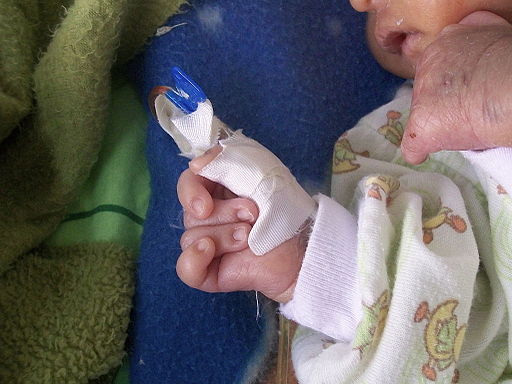
edward syndrome
Bobjgalindo, CC BY-SA 4.0, via Wikimedia Commons

Mnemonic: EDWARDS

1. Eighteen trisomy, Elongated skull

2. Digit overlapping with clenched fist

3. Webbing of 2nd and 3rd toes

4. Absent radii, Arthrogryposis

5. Rocker-bottom feet

6. Dysplastic ears, Disability (intellectual), Diseased heart (VSD)

7. Small lower jaw
  • Facebook
  • Twitter
PGMEE, MRCS, USMLE, MBBS, MD/MS Pediatrics

Post navigation

Previous post
Next post

Related Posts

PGMEE, MRCS, USMLE, MBBS, MD/MS

Crowe Classification in Adult Hip Dysplasia

Jun 4, 2025Jun 4, 2025

Crowe Classification Class I: <50% subluxation or proximal displacement <10% of pelvic height Class II: 50-75% subluxation or proximal displacement 10-15% of pelvic height Class III: 75-100% subluxation or proximal displacement 15-20% of pelvic height Class IV: >100% subluxation or proximal displacement >10% of pelvic height and deficient true acetabulum…

Read More
PGMEE, MRCS, USMLE, MBBS, MD/MS

Staging and Grading of Bone Tumors (Neoplasm)

Nov 3, 2022Nov 3, 2022

Enneking (MSTS) Staging for Malignant Bone Tumors Stage Grade Site Metastasis IA Low Intra-compartmental None IB Low Extra-compartmental None IIA High Intra-compartmental None IIB High Extra-compartmental None III Any Any Regional or Distant Low-grade tumors generally have few mitotic figures, little if any cellular atypia, and have a relatively non-infiltrative…

Read More
PGMEE, MRCS, USMLE, MBBS, MD/MS

Cervical Vertebrae Anatomy

May 4, 2024May 4, 2024

Osteology Vertebra Body Spinous process Transverse process Typical (C3-6) Relatively small; oval; uncinate process superiorly Bifid Has foramen transversarium, Has anterior and posterior tubercle separated by groove for spinal nerve (large anterior tubercle in C6 called Carotid/Chassaignac tubercle) Atlas (C1) None; Ring (2 lateral masses connected by anterior & posterior…

Read More

Comment

  1. Kelvin says:
    Sep 17, 2022 at 9:24 am

    Thank you thank you and thank you. God bless you 🙏🙏🙏🙏🙏

    Reply

Leave a Reply to Kelvin Cancel reply

Your email address will not be published. Required fields are marked *

This site uses Akismet to reduce spam. Learn how your comment data is processed.

Pre-clinical (Basic Sciences)

Anatomy

Biochemistry

Community medicine (PSM)

Embryology

Microbiology

Pathology

Pharmacology

Physiology

Clinical Sciences

Anesthesia

Dermatology

Emergency medicine

Forensic

Internal medicine

Gynecology & Obstetrics

Oncology

Ophthalmology

Orthopedics

Otorhinolaryngology (ENT)

Pediatrics

Psychiatry

Radiology

Surgery

RSS Ask Epomedicine

  • What to study for Clinical examination in Orthopedics?
  • What is the mechanism of AVNRT?

Epomedicine weekly

  • About Epomedicine
  • Contact Us
  • Author Guidelines
  • Submit Article
  • Editorial Board
  • USMLE
  • MRCS
  • Thesis
©2026 Epomedicine | WordPress Theme by SuperbThemes