Skip to content
Epomedicine

Mnemonics, Simplified Concepts & Thoughts

Epomedicine

Mnemonics, Simplified Concepts & Thoughts

fracture

Complications of Fractures

Epomedicine, Oct 19, 2020Nov 4, 2022

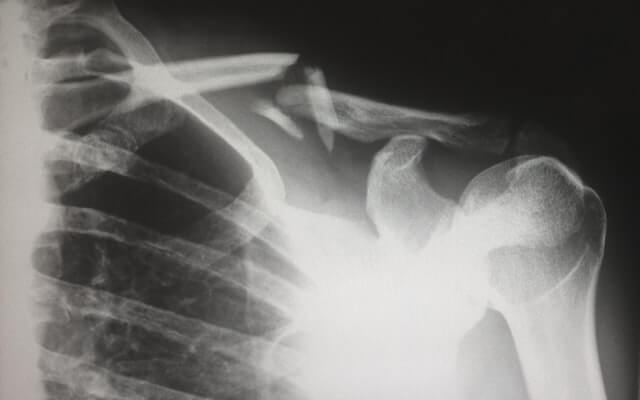
This is a tabulated compilation for complications of fractures in general which can be immediate, early or delayed and local or generalized/systemic. This topic is commonly tested in exams.
fracture
Polytrauma Assessment and Management (ATLS) : Mnemonics
LocalSystemic
Immediate1. Soft tissue injuries (Skin, Nerve, Vessels, Muscle-tendon)

2. Physeal injury

3. Hemarthrosis

4. Local visceral injury
1. Hemorrhagic shock

2. Aseptic traumatic fever

3. Injury to remote organs
Early1. Skin necrosis

2. Fracture blisters

3. Gas gangrene

4. Gangrene of limb

5. Compartment syndrome

6. Venous thrombosis

7. Loss of initial reduction or fixation

8. Iatrogenic: Pressure ulcers, Pin tract infections, Pin loosening of breakage, Neurovascular damage due to pin placement
1. Fat embolism

2. Pulmonary thromboembolism

3. Crush syndrome

4. Pneumonia

5. Tetanus

6. Delirium tremens

7. ARDS

8. Septicemia

9. Myocardial infarctions and postoperative arrhythmia

10. Exacerbation of Diabetes
Delayed1. Nerve: Tardy ulnar nerve palsy

2. Muscle: Myositis ossificans, Volkmann ischemic contracture, Sudeck’s dystrophy

3. Bone/fracture: Malunion, Nonunion, Delayed union, Growth disturbance, Cross union, Chronic osteomyelitis, Avascular necrosis (AVN)

4. Joint: Stiffness, Osteoarthritis

1. Loss of work/occupation

2. Loss of independence

3. Mobility problems (elderly patients generally go down 1 level of ambulation function after a significant fracture)

References:

  1. Manipal Manual of Orthopaedics By Vivek Pandey
  2. Shortcut to Orthopaedics By Dr. Robert Perlau
  • Facebook
  • Twitter
PGMEE, MRCS, USMLE, MBBS, MD/MS General conceptsMusculoskeletal systemOrthopedics

Post navigation

Previous post
Next post

Related Posts

PGMEE, MRCS, USMLE, MBBS, MD/MS

Neurofibromatosis type 1 Criteria : Mnemonic

Sep 8, 2021Sep 8, 2021

Mnemonic: 2 out of ABCDEFG 1. Axillary or inguinal freckling 2. Bone lesions (sphenoid dysplasia, tibial pseudoarthrosis) 3. Cafe au lait macules/spots (>/= 6 in number; >/= 5 mm in prepubertal and >/= 15 mm in postpubertal) 4. Dermatologic neurofibroma 5. Eye hamartomas/Lisch nodules >/= 2 6. Family history (first…

Read More
PGMEE, MRCS, USMLE, MBBS, MD/MS

Meniscal Tears on MRI

Apr 24, 2025Apr 24, 2025

Meniscal tears are best seen on T1-weighted, gradient-echo and proton-density images. The menisci are low intensity on all sequences. Morphologies Meniscal tear morphology Description MRI appearance Horizontal Separates meniscus into superior (femoral) & inferior (tibial) fragments Primarily horizontal signal on sagittal images Vertical radial Splits central margin of meniscus Vertical…

Read More
PGMEE, MRCS, USMLE, MBBS, MD/MS

Diagnosis of Spinal Instability (White & Panjabi) : Mnemonic

Apr 3, 2021Apr 10, 2021

Mnemonic: Remember 4 D common to all + 3 D for C-spine and 1 D for L-spine Diagnosis requires: Score >4 Denis column disruption: Anterior column destroyed or unable to function (2 points) Posterior column destroyed or unable to function (2 points) Deformity: Will have a maximum score of 4…

Read More

Leave a Reply Cancel reply

Your email address will not be published. Required fields are marked *

This site uses Akismet to reduce spam. Learn how your comment data is processed.

Pre-clinical (Basic Sciences)

Anatomy

Biochemistry

Community medicine (PSM)

Embryology

Microbiology

Pathology

Pharmacology

Physiology

Clinical Sciences

Anesthesia

Dermatology

Emergency medicine

Forensic

Internal medicine

Gynecology & Obstetrics

Oncology

Ophthalmology

Orthopedics

Otorhinolaryngology (ENT)

Pediatrics

Psychiatry

Radiology

Surgery

RSS Ask Epomedicine

  • What to study for Clinical examination in Orthopedics?
  • What is the mechanism of AVNRT?

Epomedicine weekly

  • About Epomedicine
  • Contact Us
  • Author Guidelines
  • Submit Article
  • Editorial Board
  • USMLE
  • MRCS
  • Thesis
©2026 Epomedicine | WordPress Theme by SuperbThemes