Skip to content
Epomedicine

Mnemonics, Simplified Concepts & Thoughts

Epomedicine

Mnemonics, Simplified Concepts & Thoughts

fracture

Complications of Fractures

Epomedicine, Oct 19, 2020Nov 4, 2022

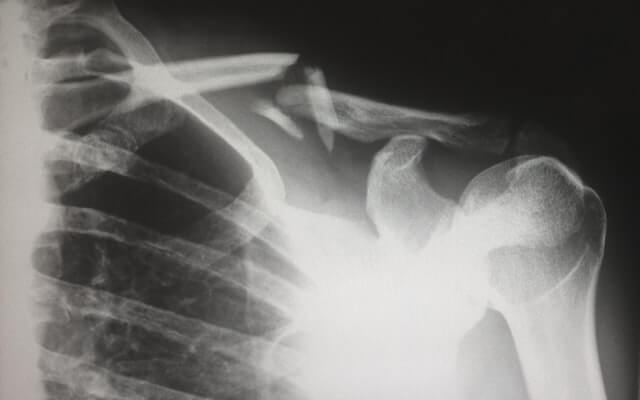
This is a tabulated compilation for complications of fractures in general which can be immediate, early or delayed and local or generalized/systemic. This topic is commonly tested in exams.
fracture
Polytrauma Assessment and Management (ATLS) : Mnemonics
LocalSystemic
Immediate1. Soft tissue injuries (Skin, Nerve, Vessels, Muscle-tendon)

2. Physeal injury

3. Hemarthrosis

4. Local visceral injury
1. Hemorrhagic shock

2. Aseptic traumatic fever

3. Injury to remote organs
Early1. Skin necrosis

2. Fracture blisters

3. Gas gangrene

4. Gangrene of limb

5. Compartment syndrome

6. Venous thrombosis

7. Loss of initial reduction or fixation

8. Iatrogenic: Pressure ulcers, Pin tract infections, Pin loosening of breakage, Neurovascular damage due to pin placement
1. Fat embolism

2. Pulmonary thromboembolism

3. Crush syndrome

4. Pneumonia

5. Tetanus

6. Delirium tremens

7. ARDS

8. Septicemia

9. Myocardial infarctions and postoperative arrhythmia

10. Exacerbation of Diabetes
Delayed1. Nerve: Tardy ulnar nerve palsy

2. Muscle: Myositis ossificans, Volkmann ischemic contracture, Sudeck’s dystrophy

3. Bone/fracture: Malunion, Nonunion, Delayed union, Growth disturbance, Cross union, Chronic osteomyelitis, Avascular necrosis (AVN)

4. Joint: Stiffness, Osteoarthritis

1. Loss of work/occupation

2. Loss of independence

3. Mobility problems (elderly patients generally go down 1 level of ambulation function after a significant fracture)

References:

  1. Manipal Manual of Orthopaedics By Vivek Pandey
  2. Shortcut to Orthopaedics By Dr. Robert Perlau
  • Facebook
  • Twitter
PGMEE, MRCS, USMLE, MBBS, MD/MS General conceptsMusculoskeletal systemOrthopedics

Post navigation

Previous post
Next post

Related Posts

PGMEE, MRCS, USMLE, MBBS, MD/MS

Enzyme Inducers and Inhibitors : Mnemonic

Oct 1, 2021Oct 1, 2021

Cytochrome P450 Inducers Mnemonic: SCRAP GP Sulfonylureas, Smoking Carbamazepine, Corticosteroids Rifamycins (Rifampicin, Rifabutin) Alcohol (Chronic) Phenytoin Griseofulvin Phenobarbital Cytochrome P450 Inhibitors Mnemonic 1: VIDEOCASE Valproate Isoniazid Disulfiram Erythromycin, Clarithromycin (not Azithromycin) Omeprazole Cimetidine Allopurinol Sulfonamides Ethanol (Acute) Mnemonic 2: SICKFACES.COM Sodium valproate Isoniazid Cimetidine Ketoconazole Fluconazole Alcohol (Acute) Chloramphenicol Erythromycin…

Read More
PGMEE, MRCS, USMLE, MBBS, MD/MS mechanoreceptors

Mechanoreceptors : Mnemonic

Jul 27, 2018Jun 15, 2022

Adaptation of Mechanoreceptors Mnemonic: Life is fast for MPs (Member of Parliament) and slow for MRs. In alphabetical order, meIssner’s come becore meRkel. Hence, Meissner’s corpuscle are the quicker among two. 1. Fast adapting receptors: MP Meissner’s corpuscle Pacinian corpuscle 2. Slowly adapting receptors: MR Merkel disc Ruffini corpuscle/ending Location of…

Read More
PGMEE, MRCS, USMLE, MBBS, MD/MS breast cancer risk

Breast Cancer Screening

Jul 17, 2016Jul 17, 2016

ACS recommendations (2015) For women with average risk: 40-44 years: mammogram on patient’s choice 45-54 years: mammogram yearly >54 years: mammogram 2 yearly or yearly based on patient’s choice Women must be informed on the benefits and harms of mammographic screening Regular clinical breast exam and breast self-exam are not…

Read More

Leave a Reply Cancel reply

Your email address will not be published. Required fields are marked *

This site uses Akismet to reduce spam. Learn how your comment data is processed.

Epomedicine. Complications of Fractures [Internet]. Epomedicine; 2020 Oct 19 [cited 2025 Dec 6]. Available from: https://epomedicine.com/medical-students/complications-fractures/.

Pre-clinical (Basic Sciences)

Anatomy

Biochemistry

Community medicine (PSM)

Embryology

Microbiology

Pathology

Pharmacology

Physiology

Clinical Sciences

Anesthesia

Dermatology

Emergency medicine

Forensic

Internal medicine

Gynecology & Obstetrics

Oncology

Ophthalmology

Orthopedics

Otorhinolaryngology (ENT)

Pediatrics

Psychiatry

Radiology

Surgery

RSS Ask Epomedicine

  • What to study for Clinical examination in Orthopedics?
  • What is the mechanism of AVNRT?

Epomedicine weekly

  • About Epomedicine
  • Contact Us
  • Author Guidelines
  • Submit Article
  • Editorial Board
  • USMLE
  • MRCS
  • Thesis
©2025 Epomedicine . All rights reserved.