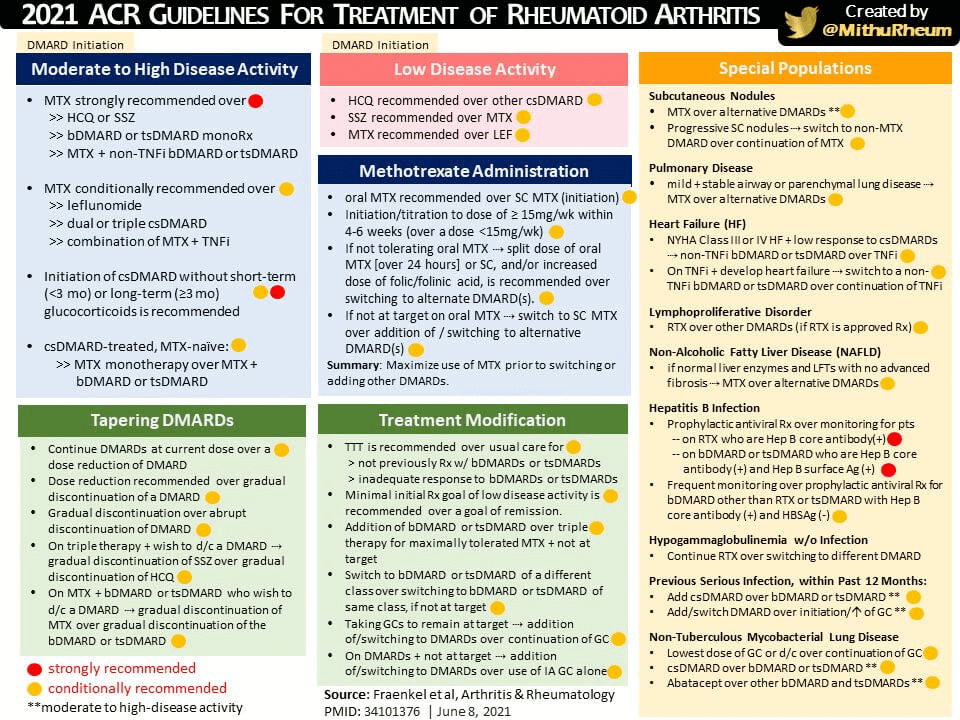
Among various methods of measuring disease activity in rheumatoid arthritis, we will be discussing Clinical Disease Activity Index (CDAI). CDAI = TJC(28) + SJC(28) + PGA(10) + EGA(10) Interpretation of CDAI: CDAI Score Range Disease Severity ≤ 2.8 Remission > 2.8 – 10.0 Low > 10.0 – 22.0 Moderate >…
Category: PGMEE, MRCS, USMLE, MBBS, MD/MS
Medical knowledge in bullet points with understandable language, simplified images and graspable mnemonics.
PGMEE, MRCS, USMLE, MBBS, MD/MS
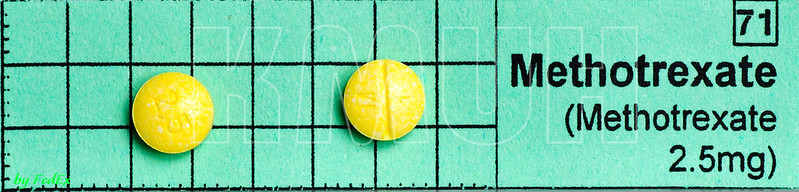
Methotrexate : Mnemonic
Methotrexate is a dihydrofolate reductase (DHFRase) inhibitor which inhibits DNA repair, synthesis and cellular replication. Actively proliferating tissues such as malignant cells, bone marrow, fetal cells, buccal and intestinal mucosa, and cells of the urinary bladder are in general more sensitive to its effect. A convenient regimen for Low Dose…
PGMEE, MRCS, USMLE, MBBS, MD/MS
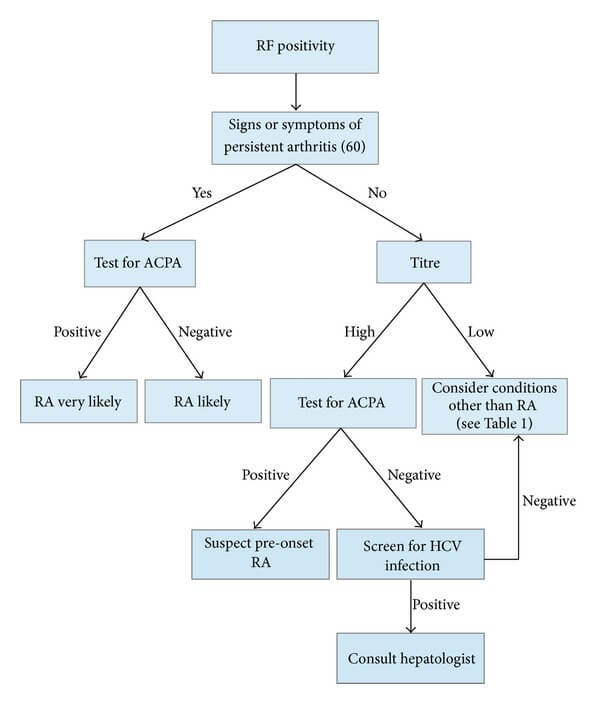
Approach to Rheumatoid Factor Positive test
Rheumatoid factor (RF; also mistakenly called RA factor) is an auto-antibody (commonly IgM and rarely IgG or IgA) directed against the Fc portion of IgG. Increase in both IgM and IgA RFs is almost exclusively observed in patients with RA (Rheumatoid Arthritis). Clinical Significance of Rheumatoid Factor 1. A positive…
PGMEE, MRCS, USMLE, MBBS, MD/MS
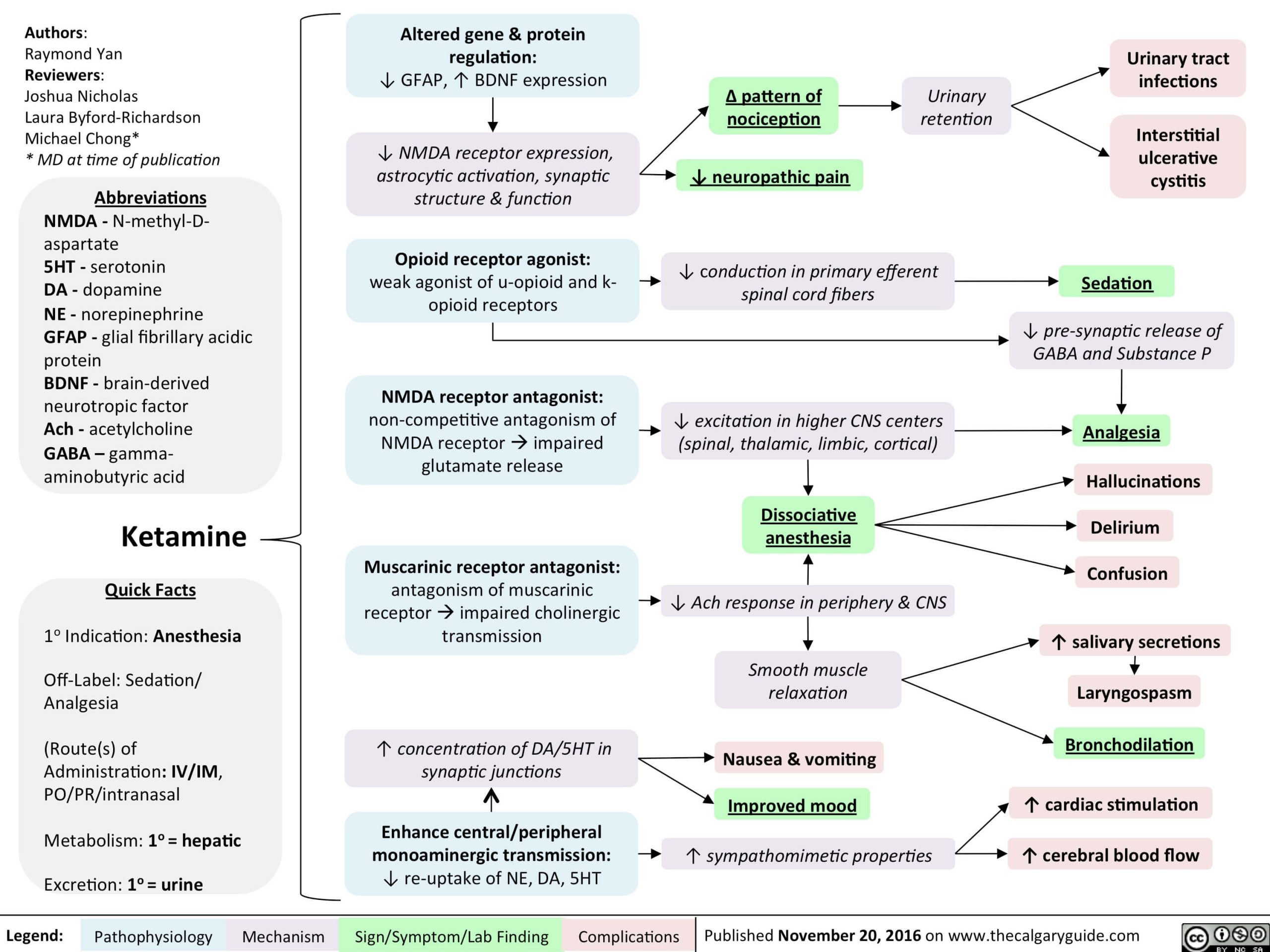
Ketamine : Mnemonic
K: Kids (Induction agent of choice in children) E: Emergence reaction (floating sensations, vivid dreams and hallucination; reduced using benzodiazepines), Enantiomers (S-Ketamine and R-Ketamine) T: Thalamo-cortical dissociation with limbic system causing dissociative anesthesia A: Analgesic, Amnesic, Antidepressant, All routes (IV, IM, PO, Intranasal, Epidural, Intrathecal) M: Meals – can be…
PGMEE, MRCS, USMLE, MBBS, MD/MS

SCFE : Mnemonic Approach
Approach to a limping child General points Classification Management depends on 4 factors which can be remembered using the mnemonic SCFE. Stability and Severity a. Loder classification: b. Severity: Severity Southwick angle on frog-leg lateral view (Difference of head-shaft angle from normal side) Wilson slip % on AP or frog-leg…
PGMEE, MRCS, USMLE, MBBS, MD/MS
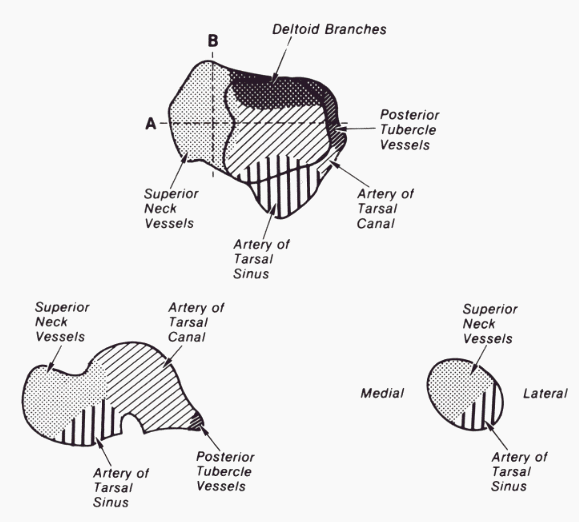
Talus Anatomy : Mnemonic
Mnemonic: 0, 1, 2, 3, 4, 5 0 : Attachments of muscles and tendons 1 : Sinus and Canal 2 : Processes and Tubercles 3 : Parts 4 : Blood vessels: 5 : Articulating surfaces
PGMEE, MRCS, USMLE, MBBS, MD/MS
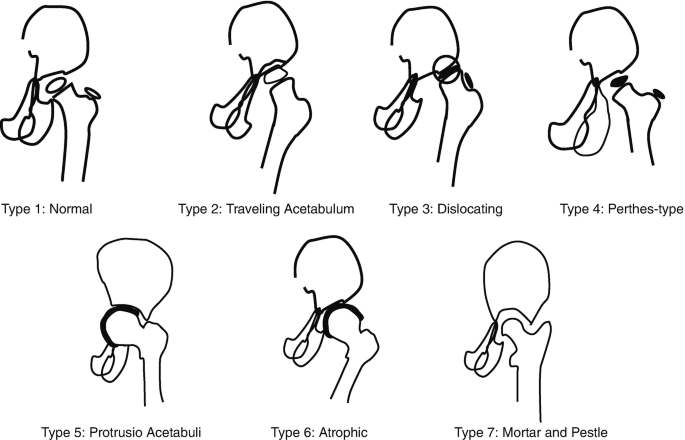
Management of Skeletal Tuberculosis – Principles
Classification Stage/Type Pott’s spine (Kumar’s) Pott’s paraplegia (Tuli) Hip and Knee Hip (Shanmugasundaram) I Predestructive (Straightening, spasm, hyperemia) Negligible (Objective plantar extensor response or ankle clonus) Synovitis (ROM 75-100%/Haziness, rarefaction)– Hip: FAbER, Apparent lengthening Normal (C) II Early destructive (Diminished space, paradiscal erosion, K<10) Mild (Subjective neuro-deficit but walks with…
PGMEE, MRCS, USMLE, MBBS, MD/MS
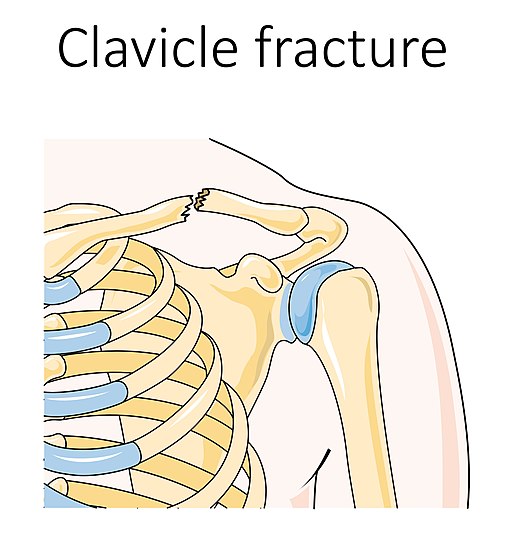
Clavicle Fractures : Last Minute Revision
1. 80-85% are mid-shaft fractures (other 10-15% are lateral 3rd and 5% are medial 3rd fractures) because of: 2. Deforming forces: 3. X-ray views: 4. Allman classification: Dameron and Rockwood classification for lateral 1/3 pediatric fractures: Type I: Mild strains of ligaments or periosteal tears Type II: Complete disruption of…