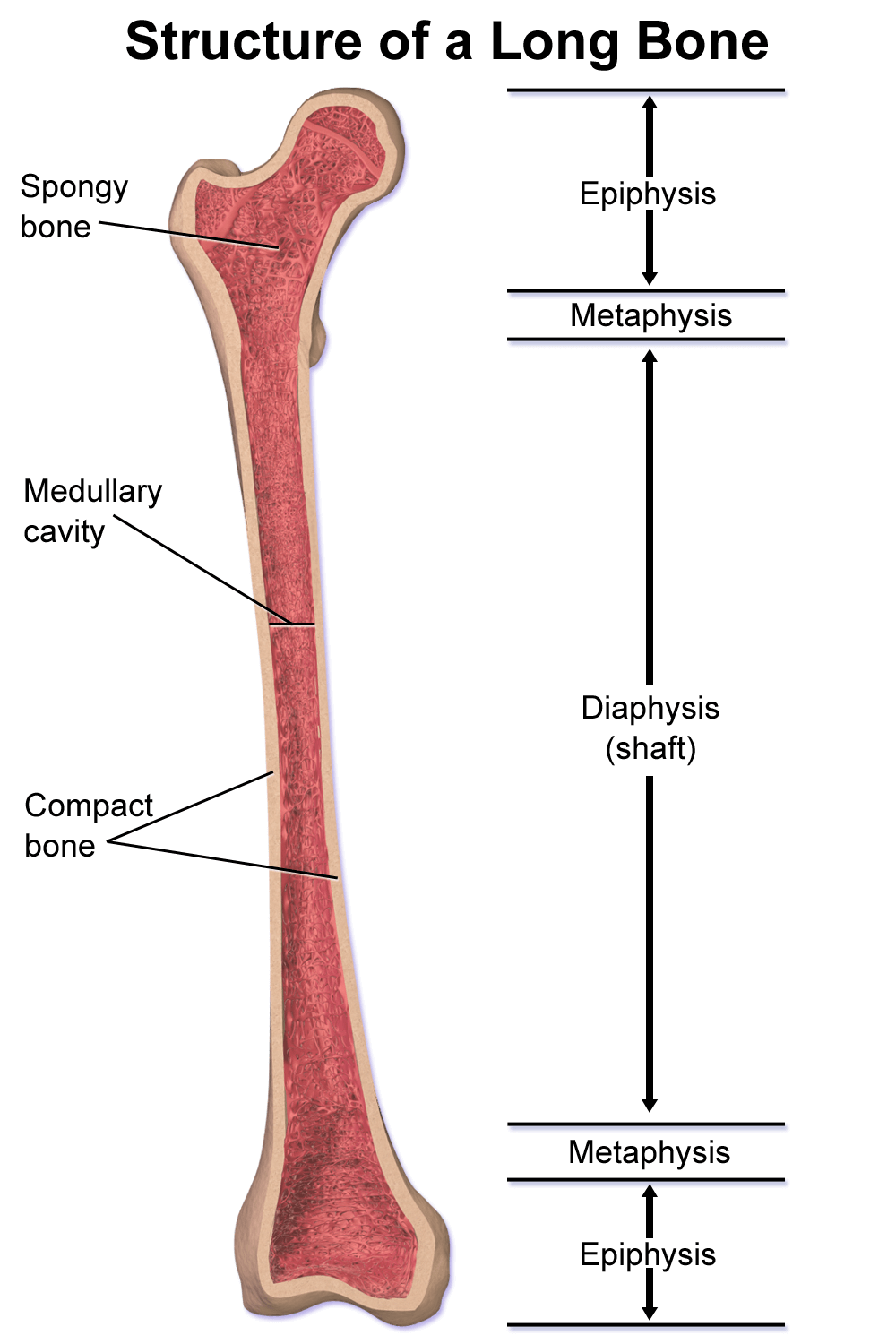
Lesions Age Demographics Site Presentation Imaging Treatment Comments Acute Osteomyelitis Bimodal (<2 years and 8-12 years) M:F = 2:1 Distal femur, Proximal tibia Pain, refusal to bear weight, erythema, warmth, fluctuance, tenderness Lags 2 weeks behindDestruction of bone, periosteal reaction (lamellated, hair on end), new bone formation 1. Antibiotics2. Surgical…
Category: PGMEE, MRCS, USMLE, MBBS, MD/MS
Medical knowledge in bullet points with understandable language, simplified images and graspable mnemonics.
PGMEE, MRCS, USMLE, MBBS, MD/MS

Patau Syndrome : Mnemonic
Chromosomal abnormality Count the letters in “Patau Syndrome”. There are 13 letters. Patau syndrome is Trisomy 13. Clinical features Mnemonic: PATAU
PGMEE, MRCS, USMLE, MBBS, MD/MS
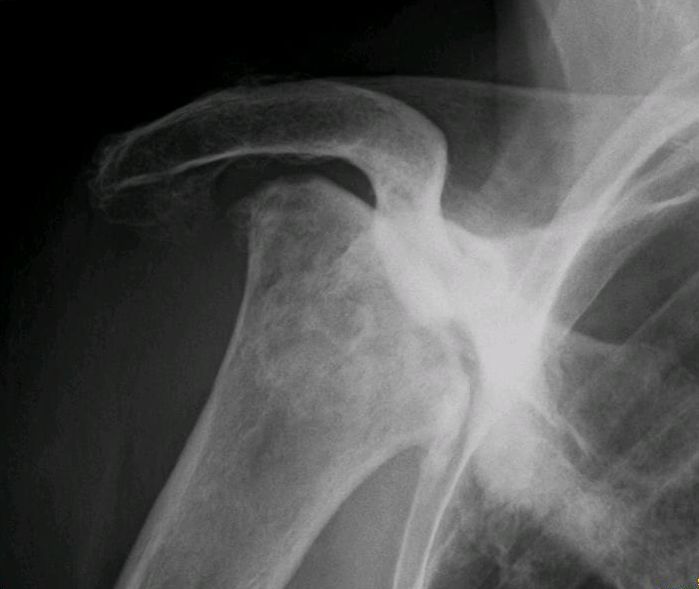
Avascular Necrosis (Osteonecrosis) of Various Bones : Stages and Management
Propensity Stages and Management Stages Hip (modified Ficat-Arlet) Shoulder (Cruess) Lunate (Lichtman) Knee (Koshino) Scaphoid (Herbert and Lanzetta) Management 0 – Silent + NWB joints – Immobilization, NSAIDs WB joints – a. Realignment osteotomyb. Core decompression +/- bone grafting or MSC therapy I – Suggestive clinically and MRI + +…
PGMEE, MRCS, USMLE, MBBS, MD/MS
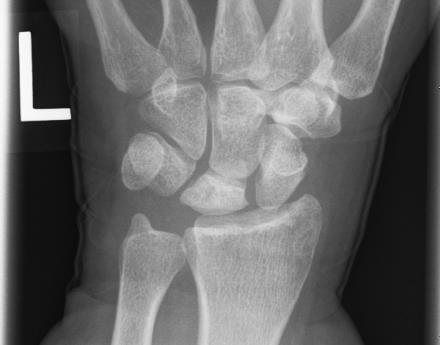
Kienbock’s Disease : Mnemonic Approach
Etiology Mnemonic: RSTUV Lichtman Classification and Management Stage Description Treatment Mnemonic: ABCD Mnemonic: ABCD I Abnormal MRI (decreased T1 intensity; variable T2 intensity) or scintigraphy Analgesics + immobilization II Bone sclerosis ± Bone breaks (fracture lines) Bony procedures:1. Negative or Neutral ulnar variance: Joint levelling procedure (Radius shortening osteotomy; Ulnar…
PGMEE, MRCS, USMLE, MBBS, MD/MS
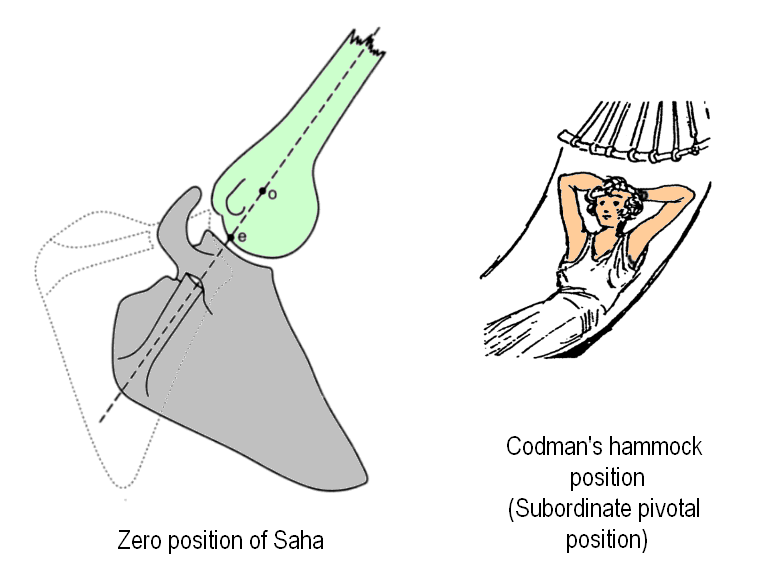
Zero Position of Saha
Zero Position Zero position is the position during elevation in coronal or sagittal plane or in any plane where: Zero position of shoulder The humerus is elevated to about 165° with individual variations and is in the newly acquired scapular plane (around 45° anterior to the coronal plane). The humeral…
PGMEE, MRCS, USMLE, MBBS, MD/MS
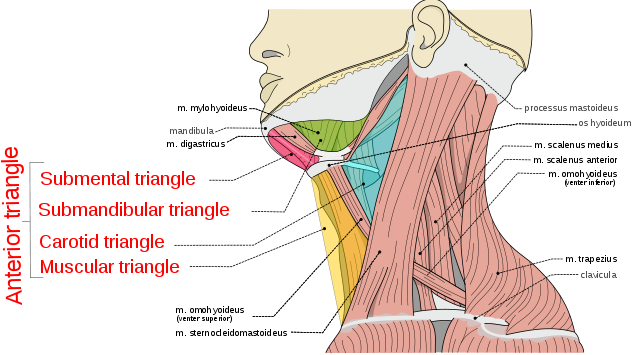
Triangles of Neck
Triangles Subdivisions Boundaries Floor Contents Clinical relevance Anterior Digastric (submandibular) – further subdivided into 3 small triangles:a. Lesser’sb. Pirogov’sc. Beclard’s 2 digastric belliesMandible Mylohyoid Submandibular glandSubmandibular nodesFacial nerve – Marginal mandibular branch (MMB)Facial vesselsLingual vesselsHypoglossal nerveNerve to mylohyoid Incision 2 finger breadth below inferior border of mandible avoids MMB of…
PGMEE, MRCS, USMLE, MBBS, MD/MS
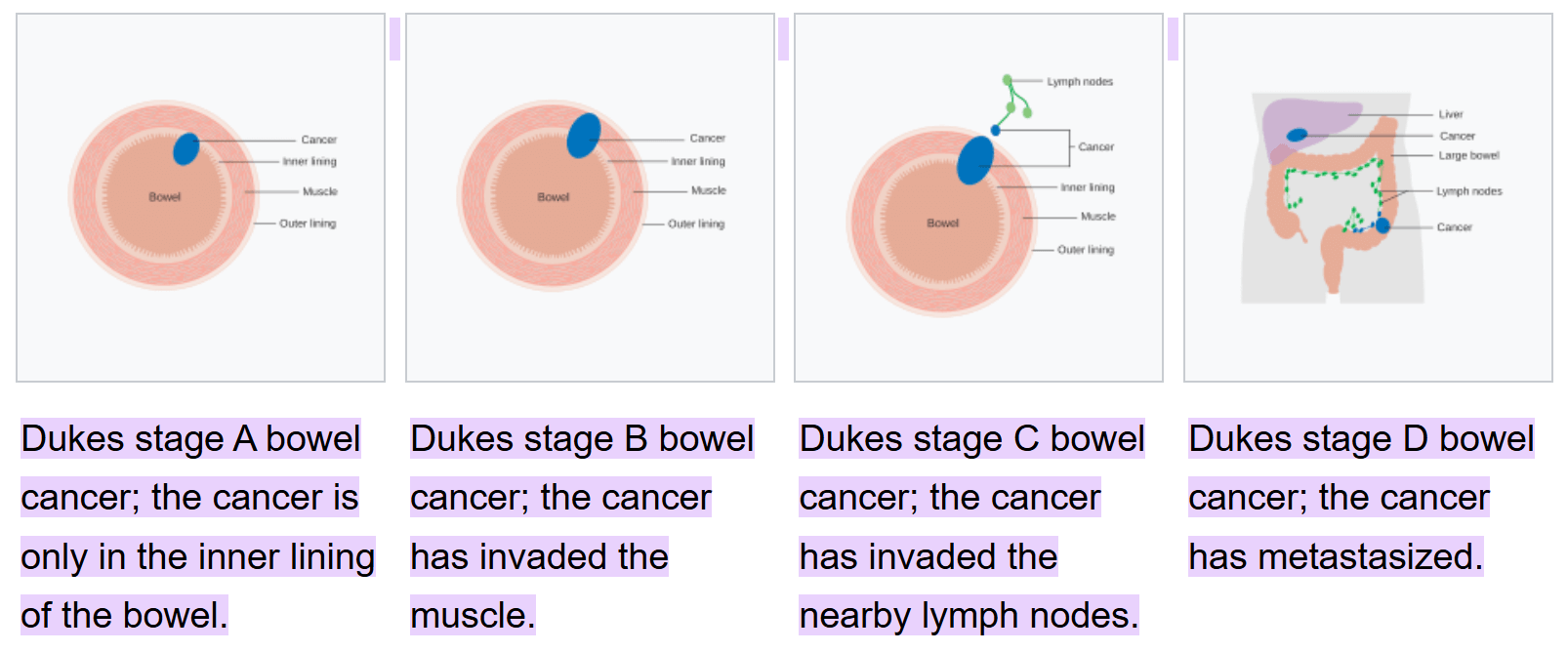
Colorectal carcinoma – Duke Staging and Management
TNM stage Duke’s stage Description 5 yr survival Surgery Chemotherapy Radiotherapy 0 – Tis, N0, M0 Limited to mucosa >95% Local excision/polypectomy → Surveillance No No Mnemonic I – T1-2, N0, M0 A A-Ok limited to bowel wall only 90% Wide surgical resection + Anastomosis No No II – T3-4,…
PGMEE, MRCS, USMLE, MBBS, MD/MS
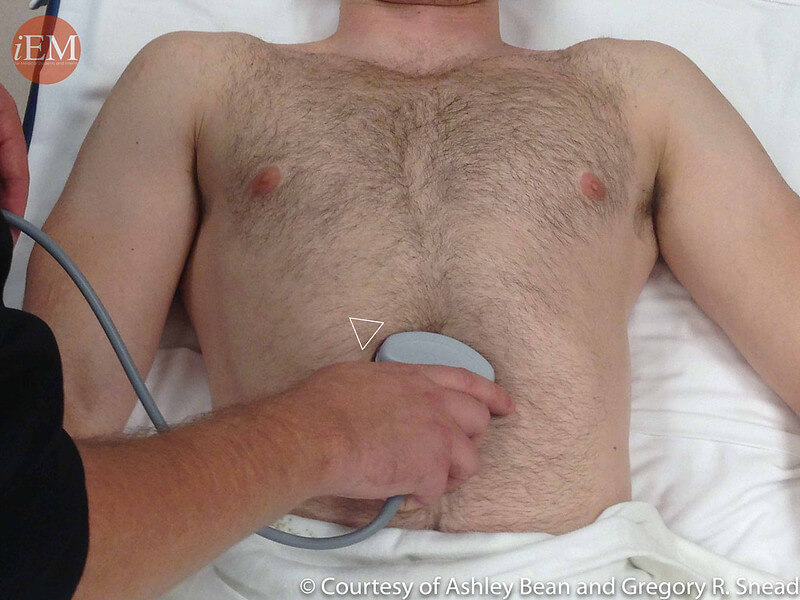
Spleen, Liver, Kidney Trauma
Approach to abdominal trauma has been discussed earlier. Spleen Injury Liver Injury Kidney Injury General 2nd m/c injured intra-abdominal organ in blunt trauma m/c injury requiring operative intervention in blunt trauma m/c injured intra-abdominal organ overall m/c injured intra-abdominal organ in blunt trauma m/c from blunt trauma maximum warm ischemia…