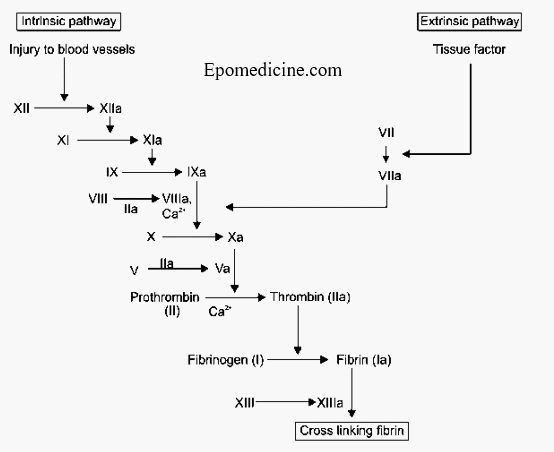
In medical school, coagulation cascade might be a pain to learn and teach as well. Plenty of roman numerals with arrows going here and there – is this the reason you hate coagulation cascade? I will pretty much try to simplify the whole thing with essential clinical correlation here. I…
Author: Dr. Sulabh Kumar Shrestha, MS Orthopedics
He is the section editor of Orthopedics in Epomedicine. He searches for and share simpler ways to make complicated medical topics simple. He also loves writing poetry, listening and playing music. He is currently pursuing Fellowship in Hip, Pelvi-acetabulum and Arthroplasty at B&B Hospital.
PGMEE, MRCS, USMLE, MBBS, MD/MS
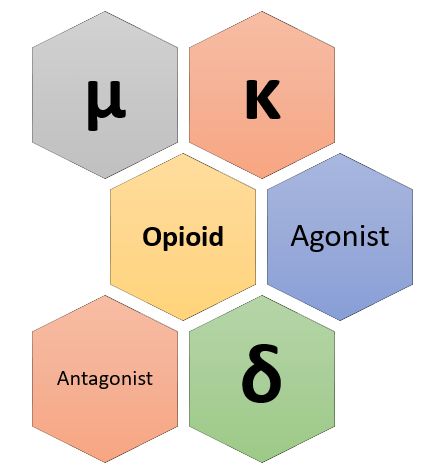
Opioid Receptors Mnemonic
Opioid receptors are a group of inhibitory G protein-coupled receptors with opioids as ligands. Mu (µ) Receptor (MOP) Mnemonic: MU CARDS Miosis eUphoria Constipation Analgesia (Supraspinal + Spinal) Respiratory depression Rigidity (truncal) Dependency Sedation µ1 mediates supraspinal analgesia, and most of other effects including spinal analgesia is mediated by µ2. Kappa…
Emergency Medicine
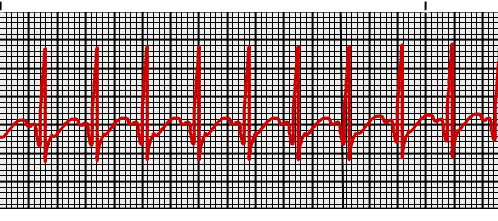
Supraventricular Tachycardia vs Sinus Tachycardia
Yesterday, I had encountered a tachycardic patient with heart rate 160/min. Somewhere in medical school, I was taught that the sinus tachycardia with heart rate >160/min must be considered as a Supraventricular tachycardia (SVT). With such misinformation, it was easier for me to overlook the fact that the patient was…
PGMEE, MRCS, USMLE, MBBS, MD/MS
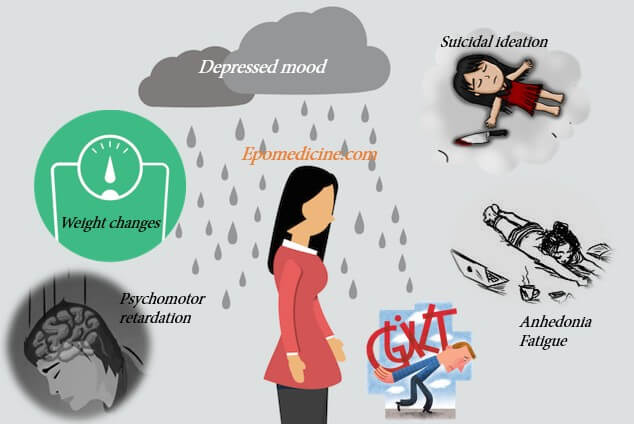
Depression Criteria Mnemonic
Mnemonic: DEPRESSION Major symptoms Minor symptoms Alternative mnemonic: SIGECAPS Criteria for Major Depressive Disorder Grading of Depression Unlike in the ICD-10, grading of depression into mild, moderate and severe is not based on the sum of the symptoms, but also takes into account their intensity and the degree of functional…
PGMEE, MRCS, USMLE, MBBS, MD/MS
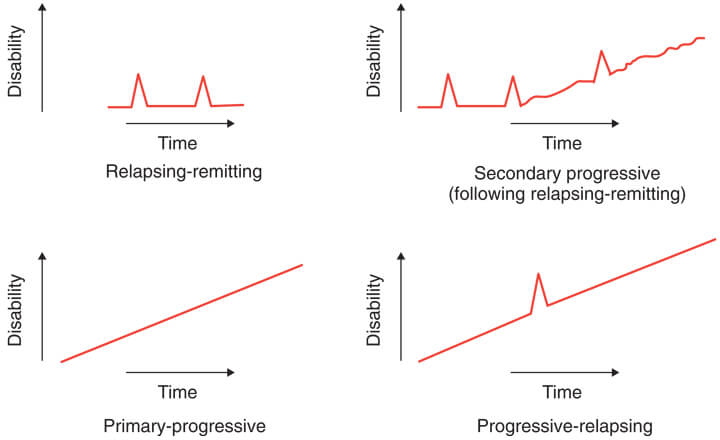
Multiple Sclerosis Mnemonic
Multiple sclerosis is an autoimmune disease of white matter that occurs due to interaction of genetic factors with unknown environmental factors. It is characterized by the pathological triad of inflammation, demyelination and gliosis. It is diagnosed using McDonald’s criteria. My mnemonic for clinical features and treatment of multiple sclerosis is:…
PGMEE, MRCS, USMLE, MBBS, MD/MS
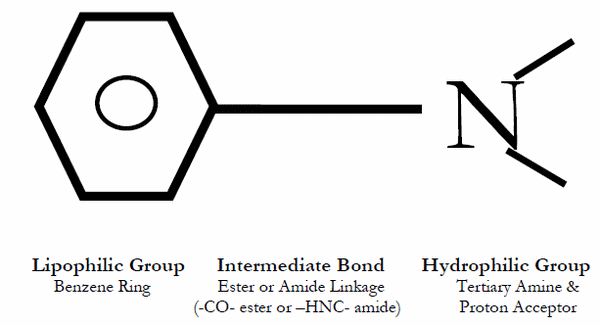
Local Anesthetics Mnemonic
All Local anesthetics contain suffix “-caine”. Local Anesthetics (LA) can be classified as: Esters and Amides. Esters vs Amides A mnemonic device is that the names of amides contain 2 “i”s compared with only 1 “i” seen in esters. Remember: One-eyed ester or Amide word has an “i” in it…
PGMEE, MRCS, USMLE, MBBS, MD/MS
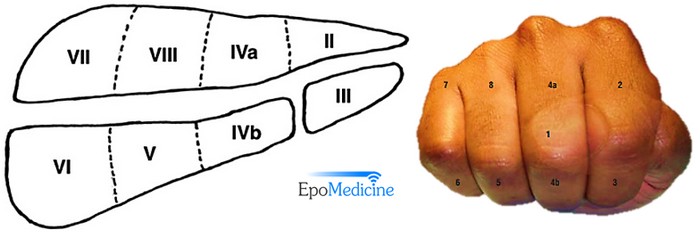
Liver Segments Explained with Mnemonic
Couniaud divided liver into 8 functional segments, each of which is supplied by it’s own portal triad (composed of a portal vein, hepatic artery and a bile duct). Hepatic veins divide the liver in saggital plane: 1. Middle hepatic vein: Divides the liver into right and left functional lobe. 2….
PGMEE, MRCS, USMLE, MBBS, MD/MS
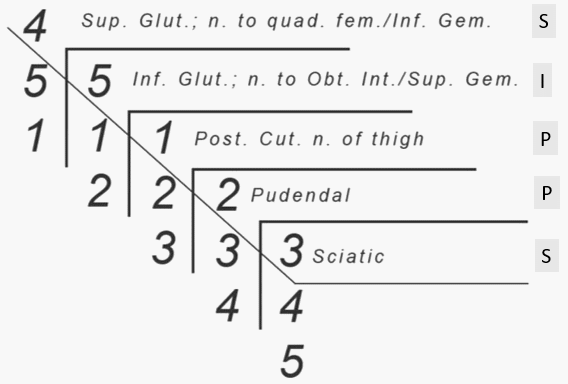
Lumbosacral Plexus Simplified
While everyone is busy talking about the brachial plexus – lumbosacral plexus (the origin of nerves that supplies everything below the umbilicus) seems to be bit under-rated. Formation of Lumbosacral Plexus Ventral rami of L1-S4; has 2 components – Lumbar plexus (L1-L4) – forms within psoas major anterior to lumbar…