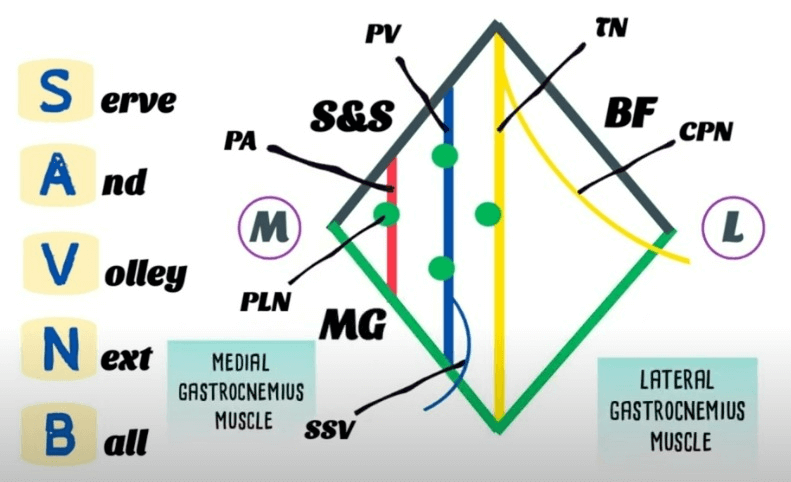
Mnemonic: Serve And Volley Next Ball Think of popliteal fossa as a diamond-shaped space. The floor is formed by Popliteus muscle. Membranosus = Medial (The 2 “Semis” go together – hence medial border is formed by semimembranosus, semitendinosus and medial head of gastrocnemius) Therefore, biceps femoris and lateral head of…
Author: Epomedicine
Blog

How To Prevent Coronavirus Transmission? 5 Simple Steps
As the COVID-19 pandemic spreads around the world, Canadians must be vigilant about doing their part in reducing transmission. Knowing how to prevent coronavirus infection is vital in contaminating ourselves and others. The World Health Organization has published a workflow map outlining five simple steps everyone can take to keep…
PGMEE, MRCS, USMLE, MBBS, MD/MS
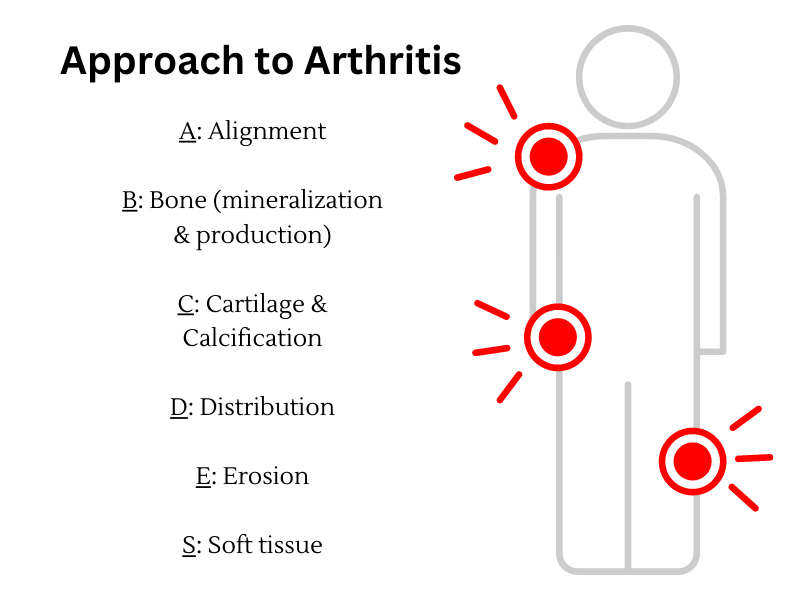
Radiological Approach to Arthritis : Mnemonic
Mnemonic: ABCDES Alignment Bone – mineralization Bone – production Cartilage (Joint space) Calcification Distribution Erosions Soft tissues ABCDES of Arthritis of Wrist and Hand Features RA PsA OA EOA CPPD Gout Alignment (subluxation) Ulnar Multidirection Lateral Lateral None None Bone mineralization Osteopenia Normal Normal Normal Normal Normal Bone production None…
PGMEE, MRCS, USMLE, MBBS, MD/MS
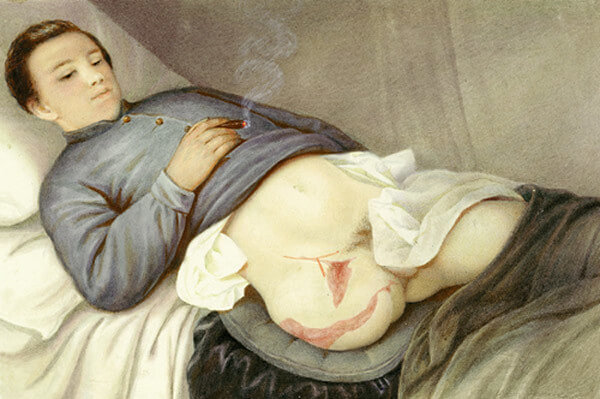
Extremity Amputations – Review
Indications Mnemonic: three Ds 1. Dead (or dying): Peripheral vascular disease (most common indication for amputation), Severe trauma (leading indication for amputation in younger patients), Burns, Frostbite 2. Dangerous (or deadly): Malignant tumors, Potentially lethal sepsis, Crush injury 3. Damned nuisance: Gross deformity, Recurrent sepsis, Sever loss of function Increase…
Blog

4 Tips to Ensure Pharmaceutical Regulatory Compliance
Maintaining pharmaceutical regulatory compliance is essential if you supply and sell any kind of medication. It ensures that your products are safe to use and have high efficacy. Pharmaceutical regulatory compliance refers to your adherence to laws and guidelines regarding the development, production, testing, distribution, and marketing of your pharmaceutical…
Blog

Better Study Tips for Nursing Students
Nursing programs are not easy — because nurses need to be adequately prepared for the difficulty of their future careers. Many courses required in a BSN degree require dozens of hours of intensive study per week, and even after graduation, nurses need to devote months toward preparing for the nursing exam…
PGMEE, MRCS, USMLE, MBBS, MD/MS
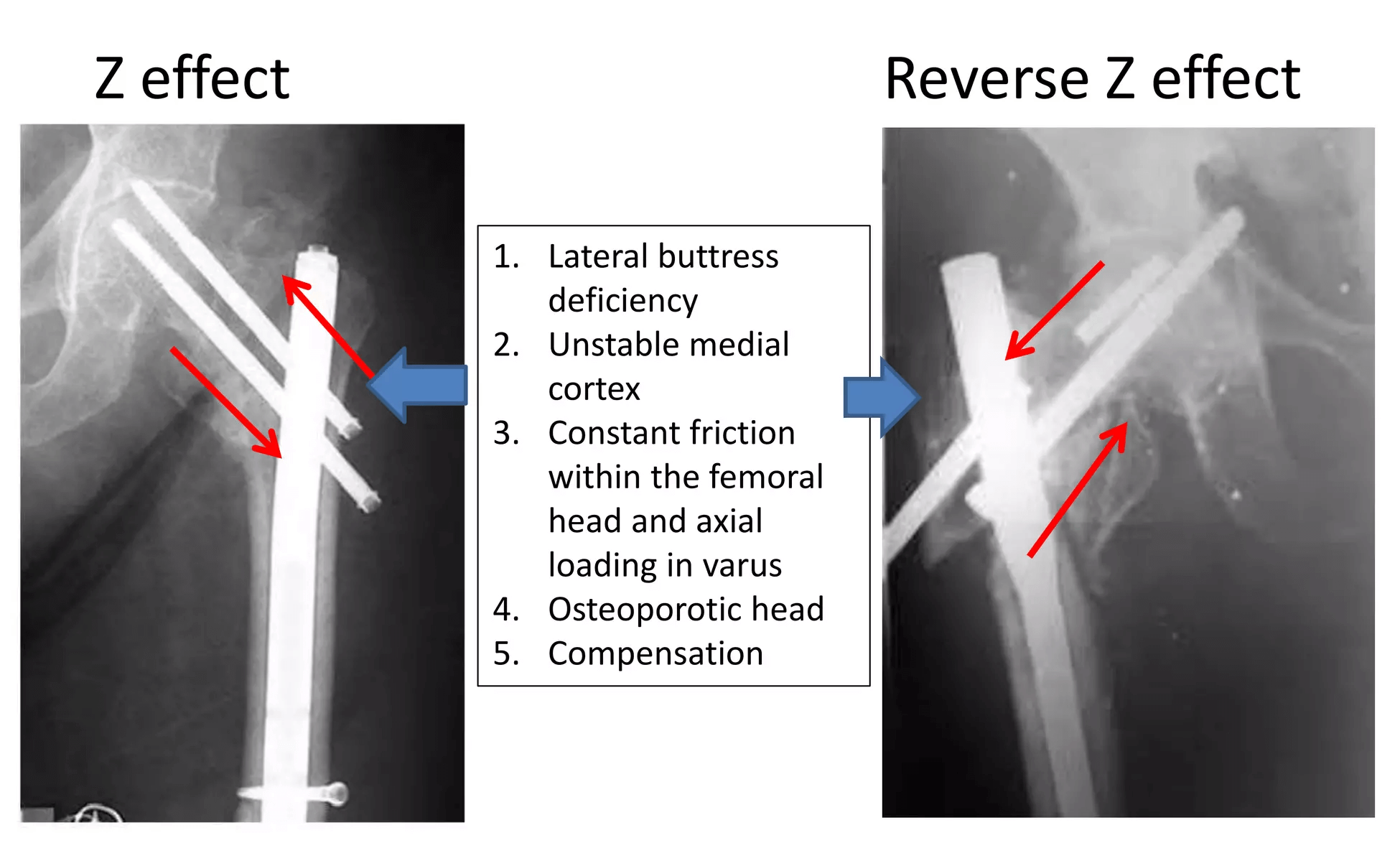
Z-effect and Reverse Z-effect in PFN
‘Z-effect’ and ‘Reverse Z-effect’ are complications relating to differential migration of screws that arise from fixation of unstable proximal femoral fractures with Proximal Femoral Nail (PFN) having 2 interlocking head screws. The 4 patterns of unstable intertrochanteric fracture hip are: Z-effect: The Z-effect involves the lateral migration of the lag…
Blog

The Benefits of Investing in Quality Clothing for Health Professionals
Healthcare professionals are crucial in effectively providing medical services to individuals and communities. They work in demanding environments that require them to be on their feet for long hours, often in stressful situations. As a result, they must have comfortable, high-quality clothing that allows them to move freely and perform…