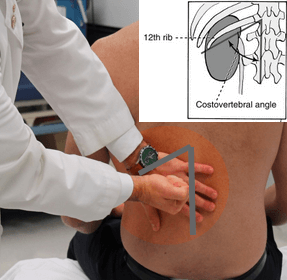
Synonyms: Murphy’s kidney punch, CVA tenderness (CVAT) Anatomy of Costovertebral angle or Renal angle: Costovertebral angle is formed by the junction of the 12th, or lowermost, rib with the paravertebral muscles, which run parallel to and on both sides of the vertebral column. Eliciting costovertebral angle tenderness: Position of patient:…
Tag: Pediatrics
Section Editor: Dr. Sujit Kumar Shrestha, MD Pediatrics, Fellowship Neonatology
PGMEE, MRCS, USMLE, MBBS, MD/MS
Somogyi effect and Dawn Phenomenon – Mnemonic
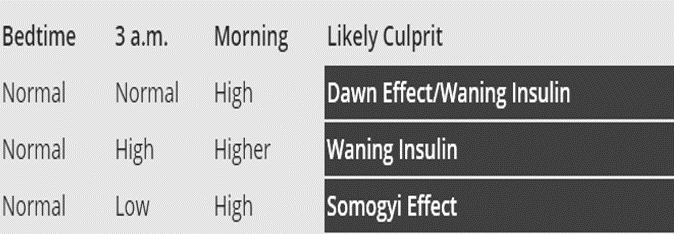
Both Somogyi effect and Dawn phenomenon are the cause of MORNING FASTING HYPERGLYCEMIA. Mnemonic: Somogyi = So Much InsulinDawn = Down Insulin a. Somogyi effect: Excess exogenous insulin → Middle night hypoglycemia → Release of counter-regulatory hormones → Rebound morning hyperglycemia b. Dawn effect: Normal release of morning hormones (growth…
PGMEE, MRCS, USMLE, MBBS, MD/MS
ORS and ReSoMal – Mnemonic
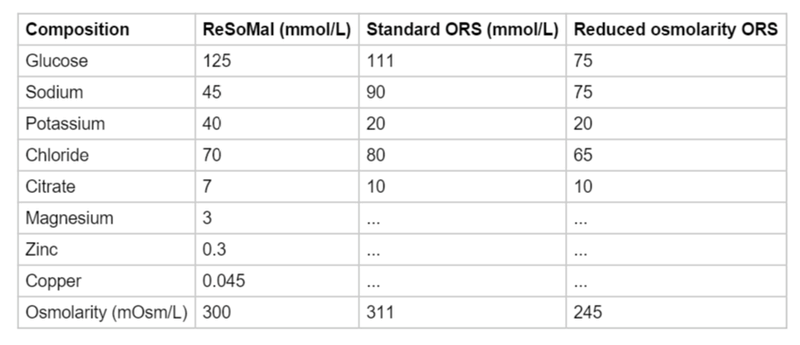
Oral Rehydration Solution (ORS) Grams per litre: SoDIum C-hloride: 2.6 gm SoDIum Ci-Trate: 2.9 gm Potassium chloride: 1.5 gm Glucose anhydrous: 13.5 gm Mnemonic: DI = 2 and C = 6Ci-Trate = Rotate 6, i.e. 9For Potassium chloride: Deduct 1 from the whole number and decimal both, i.e. (2-1).(6-1) =…
Blog
Acyclovir Post-exposure Prophylaxis for Varicella: Is it helpful?
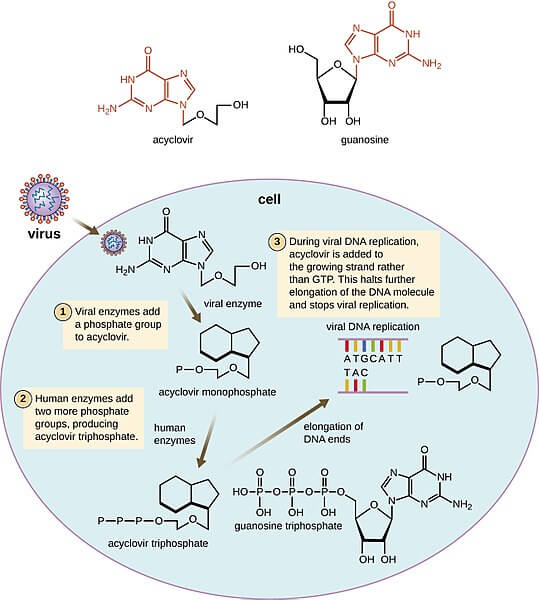
Dose: 80 mg/kg/day in 4 divided doses for 7 days; maximum 800 mg 4 times a day Time to start prophylaxis: 7-10 days after exposure (late incubation period) Indication: People without evidence of immunity and with contraindications for varicella vaccination (VZIg) Results from some studies Among 27 children in the…
Blog
Survival without Morbidity Must be the Outcome
When ever we talk about outcomes, we tend to only regard survival as the outcome. “The patient survived, our ICU mortality has come down. We have saved extremely low birth weight baby…’ and so on. But survival is not the only outcome we should be aiming for. A survival without…
PGMEE, MRCS, USMLE, MBBS, MD/MS
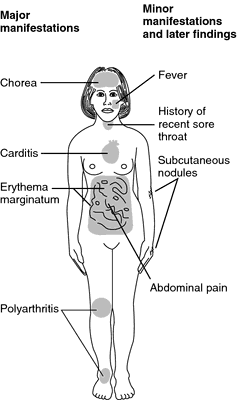
Revised Jone’s Criteria – Mnemonic
Remember SPACE LEAF for Revised Jone’s Criteria (2015). Major criteria Mnemonic: SPACE Subcutaneous nodules Pancarditis Arthritis (Polyarthritis; for moderate to high-risk population – monoarthritis also qualifies) Chorea Erythema marginatum Minor criteria Mnemonic: LEAF Long PR interval ESR ≥ 60mm/hr (or ≥ 30mm/hr in moderate to high-risk population) and CRP ≥…
PGMEE, MRCS, USMLE, MBBS, MD/MS
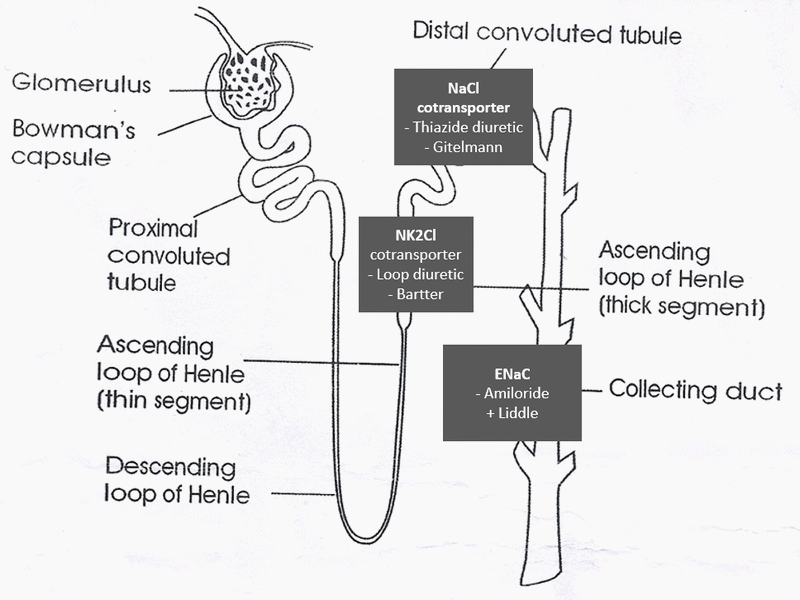
Bartter, Gitelmann and Liddle syndrome
The order of the nephron defects in Bartter, Gitelmann and Liddle syndrome follows alphabetical order. Bartter: Thick ascending LOHGitelmann: Distal tubuleLiddle: Collecting duct a. Bartter syndrome: Thick ascending Loop of Henle (LOH) Defect in Na-2K-Cl transporter (like loop diuretics) NaCl wasting, Hypercalciuria and mild hypomagnesemia Mnemonic: Loop diuretics lose calcium…
Clinical Skills and Approaches

Murmurs Made Easy
Mnemonic: SSSS Stenotic lesion of Semilunar valve and Septal defect cause Systolic murmur. From this, you should also be able to remember that regurgitant lesions of semilunar valve causes Diastolic murmur. The stenotic lesions of atrio-ventricular valve causes diastolic murmur and regurgitant lesions cause systolic murmur. Causes of systolic murmur:…