Skip to content
Epomedicine

Mnemonics, Simplified Concepts & Thoughts

Epomedicine

Mnemonics, Simplified Concepts & Thoughts

Thoracic Diaphragm : Mnemonics

Epomedicine, Aug 7, 2023Aug 7, 2023

Embryology

Mnemonic: Several Parts Build Diaphragm

Embryonic componentsParts of Diaphragm
1. Septum transversumTendinous portion (Central tendon)
2. Pleuroperitoneal foldsMuscular portion
3. Body wall musclesMuscular portion
4. Dorsal mesentery of esophagusCrura
Diaphragm and Body Cavities Development – Embryology Made Easy

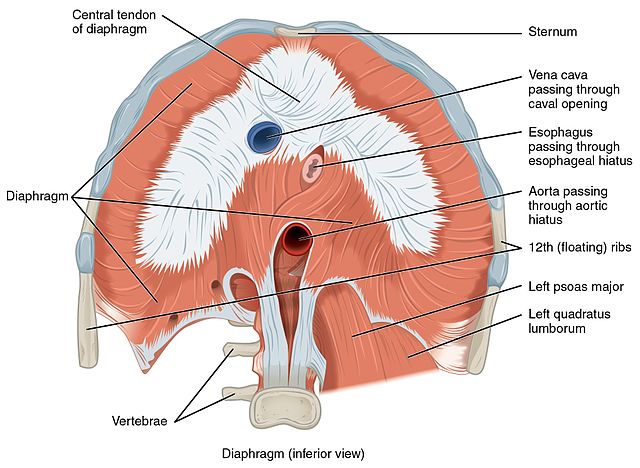
3 Major Openings of Diaphragm

Mnemonics:
1. I Eat Apples 8, 10, 12 or
2. Voice Of America 8, 10, 12

LevelLocationMain structureMnemonicOther structures
T8Central tendon (right of median plane)Inferior VenacavaRight phrenic nerve
T10Muscular portion (left of median plane)OEsophagusThree goosesRight vagoose, Left vagoose (along with esophagoose)
T12Behind median arcuate ligament (in median plane)AortaAnd A DuckAzygous vein, thoracic Duct (along with Aorta)
Diaphragm openings
OpenStax, CC BY 4.0, via Wikimedia Commons

Innervation of Diaphragm

Mnemonic: C3, 4, 5 keeps the diaphragm alive

Phrenic nerve (C3-5):

  • Motor innervation of diaphragm
  • Sensory innervation of central part of diaphragm

Sensory supply to peripheral portion of diaphragm is from intercostal nerves (T7-T12).

  • Facebook
  • Twitter
PGMEE, MRCS, USMLE, MBBS, MD/MS AnatomyMusculoskeletal system

Post navigation

Previous post
Next post

Related Posts

PGMEE, MRCS, USMLE, MBBS, MD/MS

NSAIDs : Mnemonics

Jul 28, 2022Jul 28, 2022

Classification Mnemonic: Prescribed By SOFIA Propionic acid derivatives: Ibuprofen, Ketoprofen, Flurbiprofen, Naproxen Pyrrolo-pyrrole derivates: Ketoroloac Pyrazolone derivatives: Phenylbutazone, Oxybutazone Benzoxazocine derivatives: Nefopam Salicyaltes: Aspirin Selective COX-2 inhibitor: Celecoxib, Etoricoxib, Parecoxib Oxicam derivatives: Piroxicam, Tenoxicam Fenamic acid derivatives: Mefenamic acid (Anthranilic acid derivative) Indol derivatives: Indomethacin, Sulindac Aryl acetic acid derivatives:…

Read More
PGMEE, MRCS, USMLE, MBBS, MD/MS

Timing of Wound Closure (Primary, Secondary, Tertiary)

Aug 26, 2020Aug 26, 2020

Before moving to the concept of wound closure, it is necessary to understand the pathophysiology behind different types of healing. We have covered stages of wound healing in general previously. There are three types of wound healing: Primary intention Secondary intention Tertiary intention Healing by primary intention occurs when the…

Read More
PGMEE, MRCS, USMLE, MBBS, MD/MS

Wound Healing : Stages

Aug 5, 2020Aug 5, 2020

1. Haemostasis (immediate): In response to exposed collagen, platelets aggregate at the wound and degranulate, releasing inflammatory mediators. Clotting and complement cascades activated. Thrombus  formation and reactive vasospasm achieve haemostasis. 2. Inflammation (0-3 days): Vasodilatation and increased capillary permeability allow inflammatory cells to enter wound, and cause swelling. Neutrophils amplify inflammatory response by release…

Read More

Leave a Reply Cancel reply

Your email address will not be published. Required fields are marked *

This site uses Akismet to reduce spam. Learn how your comment data is processed.

Pre-clinical (Basic Sciences)

Anatomy

Biochemistry

Community medicine (PSM)

Embryology

Microbiology

Pathology

Pharmacology

Physiology

Clinical Sciences

Anesthesia

Dermatology

Emergency medicine

Forensic

Internal medicine

Gynecology & Obstetrics

Oncology

Ophthalmology

Orthopedics

Otorhinolaryngology (ENT)

Pediatrics

Psychiatry

Radiology

Surgery

RSS Ask Epomedicine

  • What to study for Clinical examination in Orthopedics?
  • What is the mechanism of AVNRT?

Epomedicine weekly

  • About Epomedicine
  • Contact Us
  • Author Guidelines
  • Submit Article
  • Editorial Board
  • USMLE
  • MRCS
  • Thesis
©2026 Epomedicine | WordPress Theme by SuperbThemes