Skip to content
Epomedicine

Mnemonics, Simplified Concepts & Thoughts

Epomedicine

Mnemonics, Simplified Concepts & Thoughts

Reverse or Baby or Mirrored Bennett’s Fracture

Dr. Sulabh Kumar Shrestha, MS Orthopedics, Aug 7, 2024Aug 7, 2024

Definition: The fracture-dislocation at the base of the fifth metacarpal analogous to Bennett’s fracture of the thumb

Mechanism of injury:

  1. Axial loading of 5th metacarpal with ulnar directed vector causing a shear fracture
  2. Direct trauma

Muscle pull and displacement:

  1. Large ulnar fragment: Displaced ulnarly & proximally because of traction exerted by Extensor Carpi Ulnaris (ECU) tendon and thenar muscles
    • Renders the fracture unstable
  2. Smaller radial fragment: Kept in place by intermetacarpal ligament between 4th & 5th metacarpal
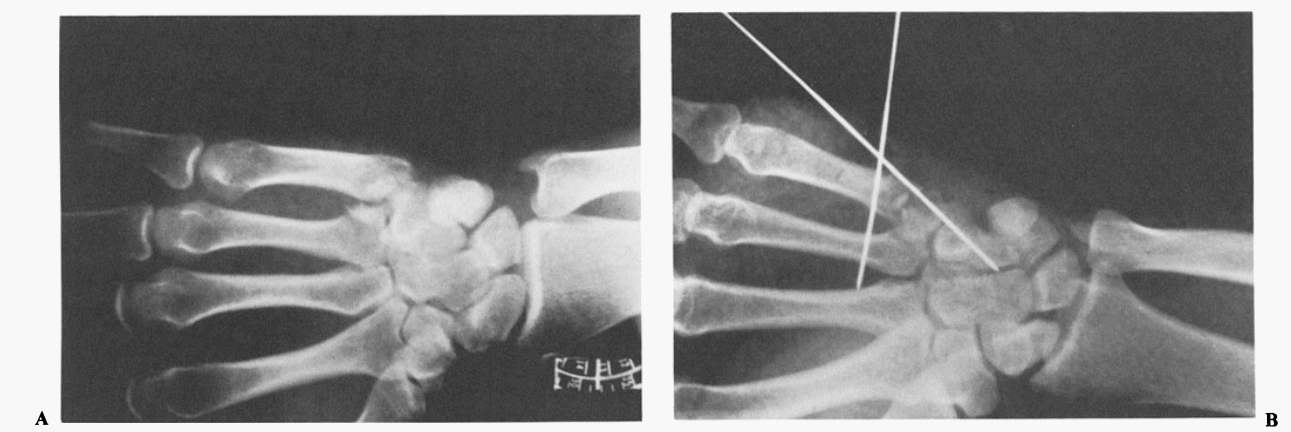
reverse bennett fracture

Consequences of unreduced fracture-dislocation:

  1. Loss of grip strength
  2. Painful arthritis

Possible associations:

  1. Subluxation of 4th metacarpal base
  2. Hamate fracture

X-ray views:

  1. 30 degree pronated lateral view (key diagnostic view): clearly profiles metacarpal hamate joint
  2. Lateral view: fracture-dislocation may be seen
  3. Anteroposterior full supination view: more likely to expose fragment than in posteroanterior full pronation view

Treatment:

1. Closed reduction and internal fixation with K-wires

2. Open reduction and internal fixation with K-wires or lag screw (for large fragments)

  • Dorsal or dorsal ulnar incision is used to approach the fracture
  • Care must be taken to avoid the ulnar sensory nerve and its branches

References:

  1. Freeland, A. E., Jabaley, M. E., & Hughes, J. L. (1986). Reverse Bennett’s Fracture. Stable Fixation of the Hand and Wrist, 45–46. doi:10.1007/978-1-4613-8640-7_13 
  2. Goedkoop, A. Y., van Onselen, E. B. H., Karim, R. B., & Hage, J. J. (2000). The “mirrored” Bennett fracture of the base of the fifth metacarpal. Archives of Orthopaedic and Trauma Surgery, 120(10), 592–593. doi:10.1007/s004020000140 

dr. sulabh kumar shrestha
Dr. Sulabh Kumar Shrestha, MS Orthopedics

He is the section editor of Orthopedics in Epomedicine. He searches for and share simpler ways to make complicated medical topics simple. He also loves writing poetry, listening and playing music. He is currently pursuing Fellowship in Hip, Pelvi-acetabulum and Arthroplasty at B&B Hospital.
  • Facebook
  • Twitter
PGMEE, MRCS, USMLE, MBBS, MD/MS Musculoskeletal systemOrthopedics

Post navigation

Previous post
Next post

Related Posts

PGMEE, MRCS, USMLE, MBBS, MD/MS

Facet Joint Orientation : Mnemonic

May 25, 2023May 25, 2023

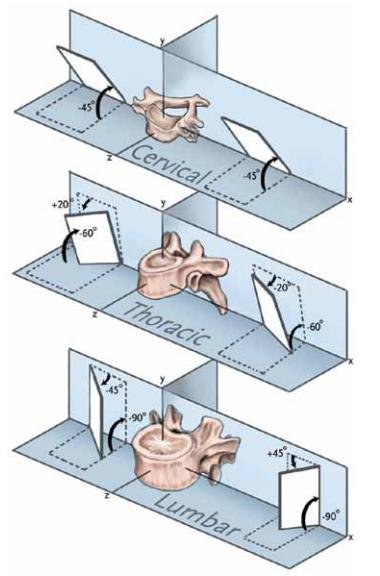
Mnemonic: BUM BUL BUM The superior articular process faces: 1. Cervical vertebra: BUM 2. Thoracic vertebra: BUL 3. Lumbar vertebra: BUM

Read More
PGMEE, MRCS, USMLE, MBBS, MD/MS cavernous sinus tributaries communications

Cavernous Sinus – Simplified

May 9, 2014Aug 22, 2023

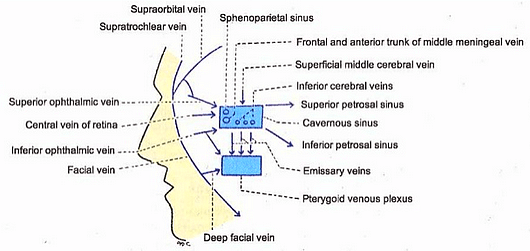
Synonyms: Sinus cavernosus, Lateral sellar compartment Definition and Extent Size: 2 cm long and 1 cm wide Walls: Extent: Contents of Cavernous sinus These are closely related to the floor of sinus and are separated from the interior of sinus by endothelium. 4 nerves in the lateral wall: Note: Mandibular…

Read More
PGMEE, MRCS, USMLE, MBBS, MD/MS diaphragm embryology

Diaphragm and Body Cavities Development – Embryology Made Easy

Aug 10, 2016Aug 7, 2023

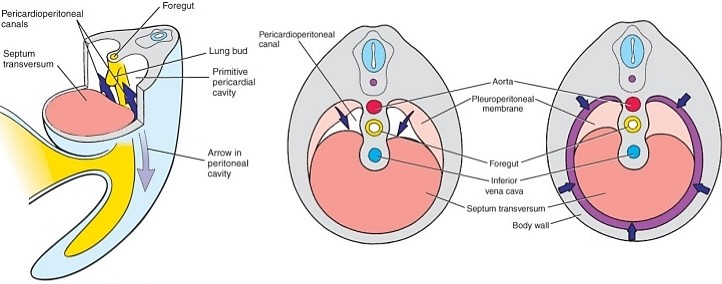
Let’s go back to the 4th week during the development of heart. The primitive intraembryonic coelom forms in the lateral and cardiogenic mesoderm during 4th week of development. Like the heart fields, the intraembryonic coelom has a horse-shoe configuration during this period: A thick mesodermal plate called “septum transversum” lies…

Read More

Leave a Reply Cancel reply

Your email address will not be published. Required fields are marked *

This site uses Akismet to reduce spam. Learn how your comment data is processed.

Pre-clinical (Basic Sciences)

Anatomy

Biochemistry

Community medicine (PSM)

Embryology

Microbiology

Pathology

Pharmacology

Physiology

Clinical Sciences

Anesthesia

Dermatology

Emergency medicine

Forensic

Internal medicine

Gynecology & Obstetrics

Oncology

Ophthalmology

Orthopedics

Otorhinolaryngology (ENT)

Pediatrics

Psychiatry

Radiology

Surgery

RSS Ask Epomedicine

  • What to study for Clinical examination in Orthopedics?
  • What is the mechanism of AVNRT?

Epomedicine weekly

  • About Epomedicine
  • Contact Us
  • Author Guidelines
  • Submit Article
  • Editorial Board
  • USMLE
  • MRCS
  • Thesis
©2026 Epomedicine | WordPress Theme by SuperbThemes