Skip to content
Epomedicine

Mnemonics, Simplified Concepts & Thoughts

Epomedicine

Mnemonics, Simplified Concepts & Thoughts

List of Textbook for Pediatric Residents

Dr. Pedchrome, Mar 27, 2021Mar 27, 2021

Residency in any subject in medical field is not a piece of cake. There is no limit of knowledge you need to acquire and the tougher thing is you need to acquire knowledge and skills side by side. A mastery in only one field can leave you deficient.

As a resident in Pediatrics, called MD Pediatrics, MD in child and adolescent health according to various Institutions, you need a list of books to go through.
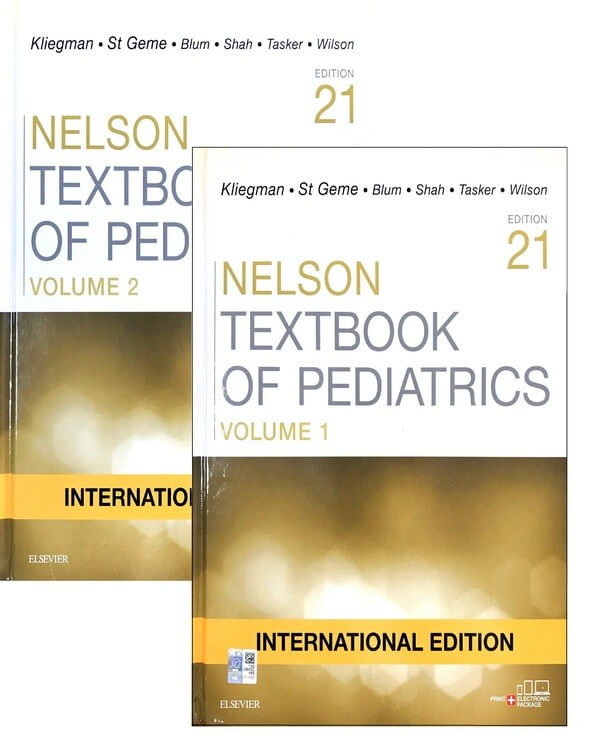
nelson pediatrics textbook

General Pediatrics

  1. Nelson Text Book Of Pediatrics is by far the bible of a pediatrician. It is the least you need to read thoroughly before you clear you finals.
  2. Essential Pediatrics by OP Ghai is an add on the above book. Its worth going through. Some topics like malnutrition and the chapter for CVS are well discussed here.
  3. Current Pediatric Diagnosis and Treatment

Handbooks

  1. Harrient and Lane Hand book- from John Hopkins Hospital
  2. Oxford Handbook of Pediatrics
  3. Washington Manual

Practical or Bedside Books

  1. Hutchinson
  2. Meherban Singh
  3. Piyush Gupta

Neonatology

  1. Avery’s Disease of the Newborn
  2. Cloherty- Manual of Neonatal care
  3. Meherban singh

Infectious Disease and Immunization

  1. Red Book – 27th edition of the American Academy of Pediatrics Report of the Committee on Infectious Diseases

Specialties

  1. Pediatric Cardiology for Practitioners – M . K. Park
  2. Pediatric Nephrology – RN Shrivasta and Arvind Bagga
  3. Nathan and Oski’s Hematology of Infancy and Childhood
  4. Princples and Practice of Pediatric Oncology – Pizzo and Poplack
  5. Child Neurology – Menke and Sarnat
  6. Clinical Pediatric Neurology – Ronald and David
  7. Development – Ellingworth
  8. Pediatric Endocrinology – Sterling
  9. Brooke’s Clinical Pediatric Endocrinology
  10. Smith’s Recognizable patterns of Human Malformations

You can recommend books missing in the list in the comment section.

Pediatric doctor
Dr. Pedchrome

MD Pediatrics and Fellowship Neonatology, he chooses to stay anonymous. He often writes his views online as well as share few important topics for medical students, doctors and specially parents. He does research in pediatrics.
16 shares
  • Facebook16
  • Twitter
PGMEE, MRCS, USMLE, MBBS, MD/MS NeonatesPediatrics

Post navigation

Previous post
Next post

Related Posts

PGMEE, MRCS, USMLE, MBBS, MD/MS ORS resomal

ORS and ReSoMal – Mnemonic

Jun 11, 2019Jun 11, 2019

Oral Rehydration Solution (ORS) Grams per litre: SoDIum C-hloride: 2.6 gm SoDIum Ci-Trate: 2.9 gm Potassium chloride: 1.5 gm Glucose anhydrous: 13.5 gm Mnemonic: DI = 2 and C = 6Ci-Trate = Rotate 6, i.e. 9For Potassium chloride: Deduct 1 from the whole number and decimal both, i.e. (2-1).(6-1) =…

Read More
PGMEE, MRCS, USMLE, MBBS, MD/MS Centor criteria

Modified Centor Criteria for Likelihood of Bacterial Infection In Sore throat

Nov 22, 2017

Centor Criteria Mnemonic: CENTOr 1. Cough absent or Can’t cough = +1 2. Exudates or Enlarged tonsils = +1 3. Nodes (Swollen tender anterior cervical lymph nodes) = +1 4. Temeperature >100.4 F = +1 5. Or: <15 years = +1 15-44 years = 0 ≥45 years = -1 Scoring

Read More
PGMEE, MRCS, USMLE, MBBS, MD/MS

Clavicle Fractures : Last Minute Revision

Dec 17, 2022Dec 17, 2022

1. 80-85% are mid-shaft fractures (other 10-15% are lateral 3rd and 5% are medial 3rd fractures) because of: 2. Deforming forces: 3. X-ray views: 4. Allman classification: Dameron and Rockwood classification for lateral 1/3 pediatric fractures: Type I: Mild strains of ligaments or periosteal tears Type II: Complete disruption of…

Read More

Comment

  1. Unique says:
    Oct 1, 2023 at 10:47 pm

    What about MCQS book for pediatric resident?

    Reply

Leave a Reply Cancel reply

Your email address will not be published. Required fields are marked *

This site uses Akismet to reduce spam. Learn how your comment data is processed.

Pre-clinical (Basic Sciences)

Anatomy

Biochemistry

Community medicine (PSM)

Embryology

Microbiology

Pathology

Pharmacology

Physiology

Clinical Sciences

Anesthesia

Dermatology

Emergency medicine

Forensic

Internal medicine

Gynecology & Obstetrics

Oncology

Ophthalmology

Orthopedics

Otorhinolaryngology (ENT)

Pediatrics

Psychiatry

Radiology

Surgery

RSS Ask Epomedicine

  • What to study for Clinical examination in Orthopedics?
  • What is the mechanism of AVNRT?

Epomedicine weekly

  • About Epomedicine
  • Contact Us
  • Author Guidelines
  • Submit Article
  • Editorial Board
  • USMLE
  • MRCS
  • Thesis
©2026 Epomedicine | WordPress Theme by SuperbThemes