Skip to content
Epomedicine

Mnemonics, Simplified Concepts & Thoughts

Epomedicine

Mnemonics, Simplified Concepts & Thoughts

Hilar Arrangement in Lungs, Liver, Kidneys : Mnemonic

Epomedicine, Jun 4, 2023Jun 4, 2023

Hilum is an indentation in the surface of a kidney, spleen, or other organ, where blood vessels, ducts, nerve fibers, etc. enter and leave it.

Hilum of Lung

Mnemonic: VAD (from anterior to posterior)

  1. pulmonary Veins (Superior and Inferior)
  2. pulmonary Artery
  3. Duct – bronchus (Principal bronchus on left, and eparterial and hyparterial bronchus on right)
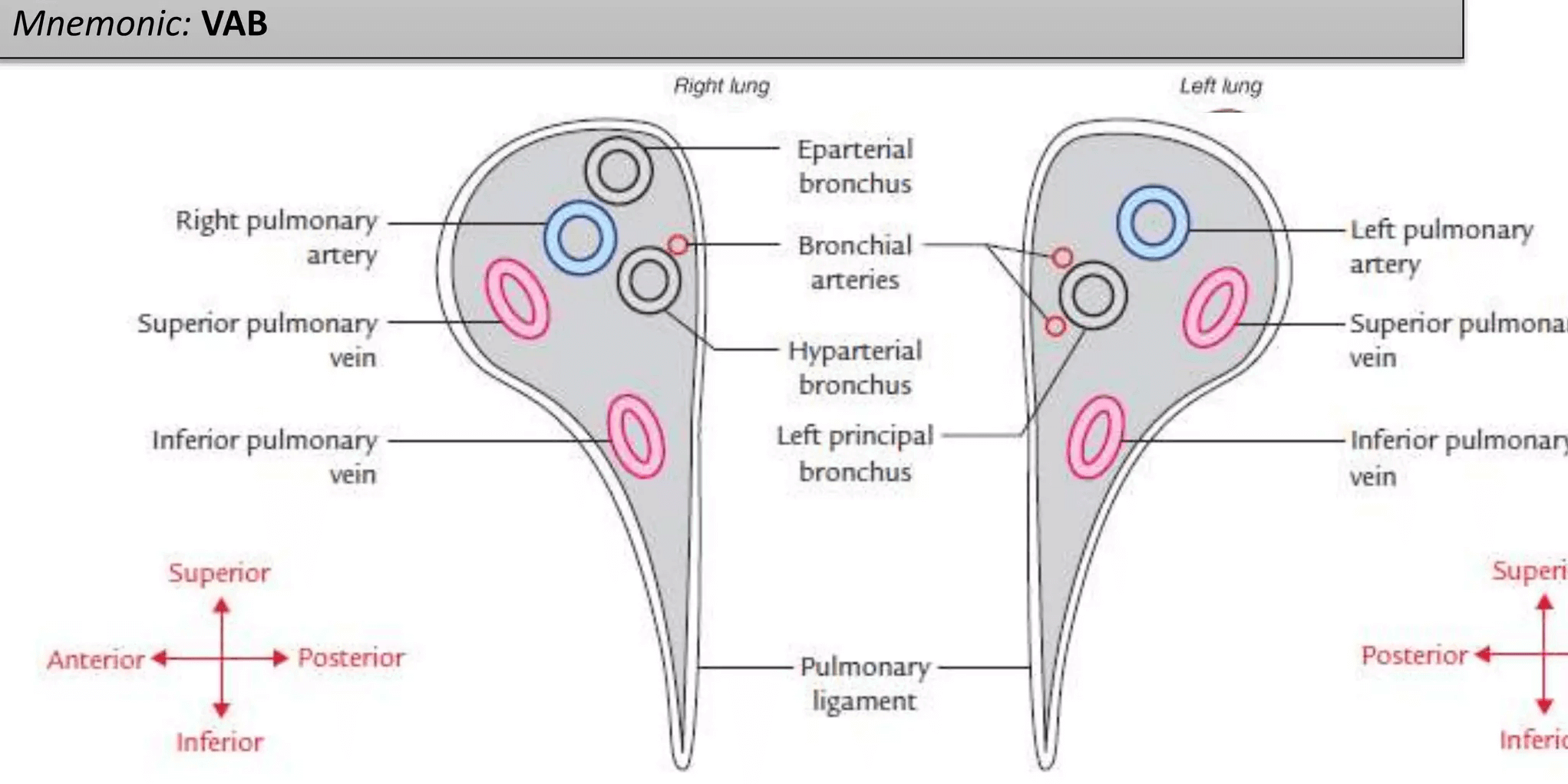
lungs hilum mnemonic

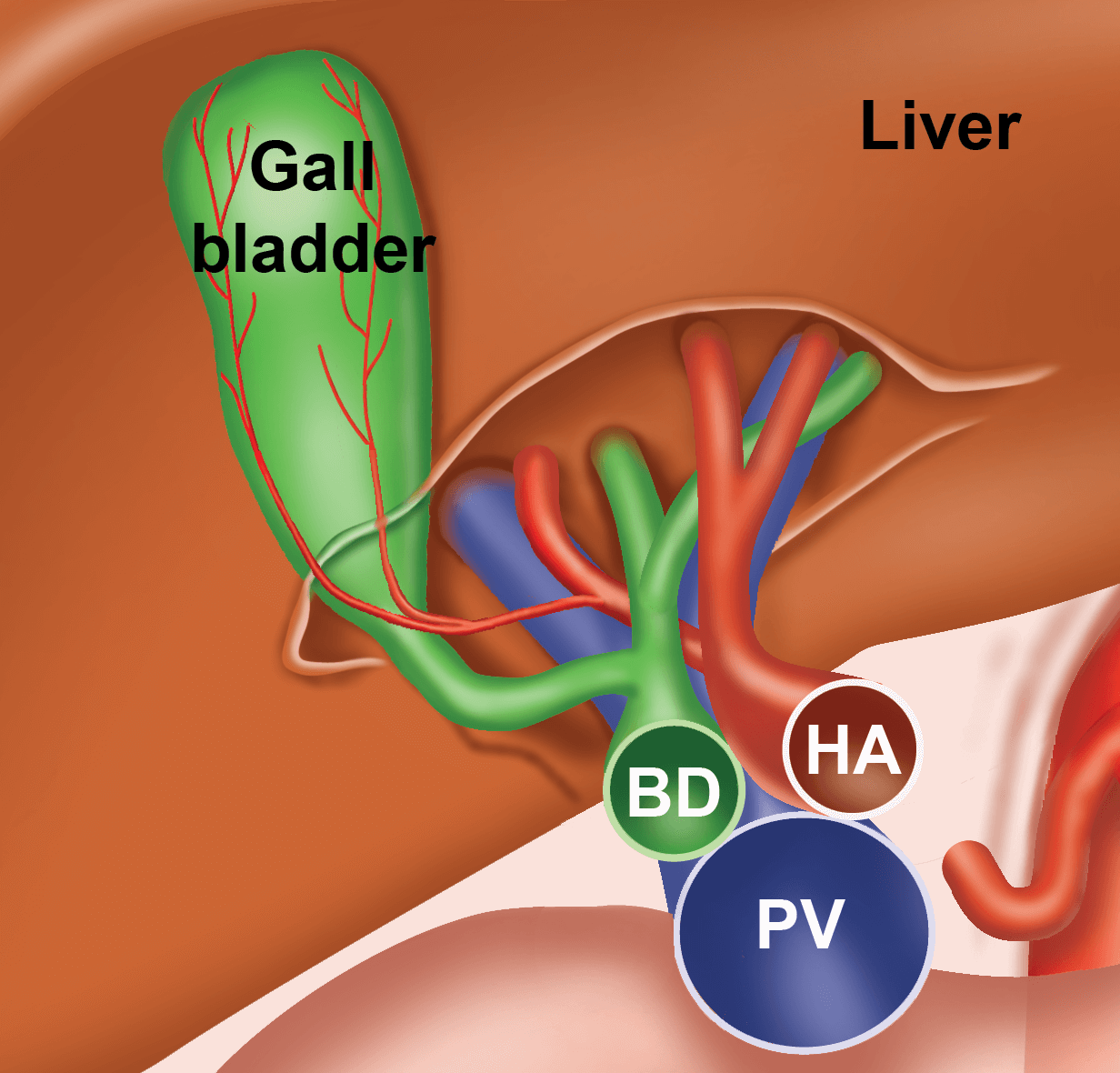
Hilum of Liver (Porta Hepatis)

Mnemonic: DAVE (from anterior to posterior)

  1. Ducts (right and left hepatic duct)
  2. Artery (right and left hepatic vein)
  3. Vein (portal vein – right and left branches)
  4. Epiploic foramen
hilum of liver mnemonic

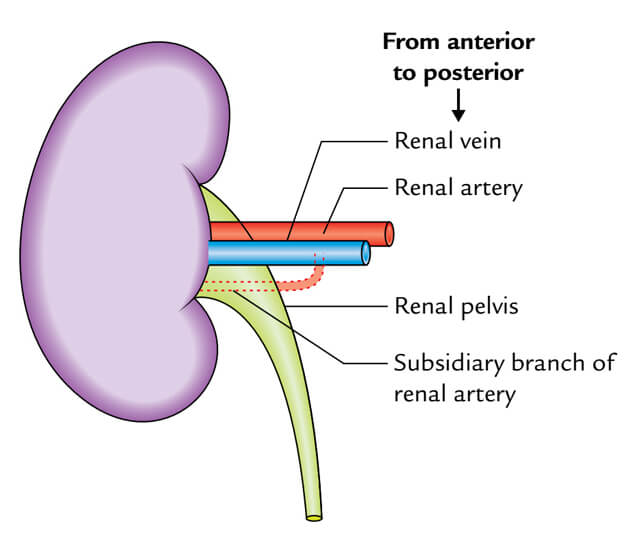
Hilum of Kidney

Mnemonic: VAD (from anterior to posterior)

  1. Vein (renal vein)
  2. Artery (renal artery)
  3. Duct (ureter)
renal hilum mnemonic
  • Facebook
  • Twitter
PGMEE, MRCS, USMLE, MBBS, MD/MS Anatomy

Post navigation

Previous post
Next post

Related Posts

PGMEE, MRCS, USMLE, MBBS, MD/MS

Idiopathic Scoliosis Made Easy

Jul 30, 2022Oct 28, 2022

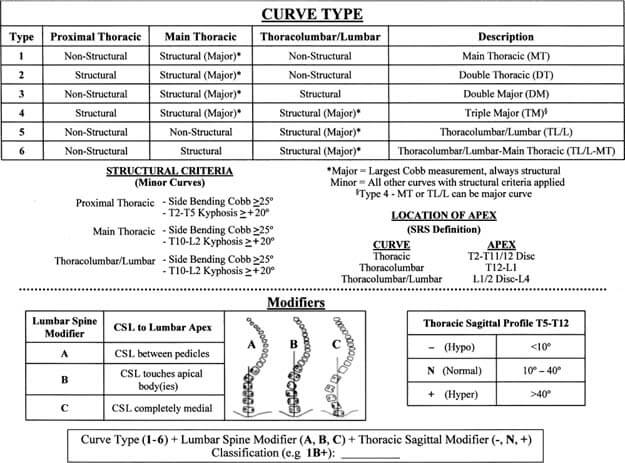
Definition Cobb’s angle >10° Diagnosis of exclusion: Congenital scoliosis and Neuromuscular scoliosis ruled out Types: Early onset (<10 years): Infantile: 0-3 years Juvenile: 4-10 years Late onset (>10 years) Adolescent: 10-18 years Adult: >18 years Indications for MRI in general Mnemonic: Left JAPAN Left thoracic curves Juvenile onset (<10 years)…

Read More
PGMEE, MRCS, USMLE, MBBS, MD/MS cell cycle and chemotherapy

Cell Cycle Made Easy

Jun 18, 2016Oct 24, 2022

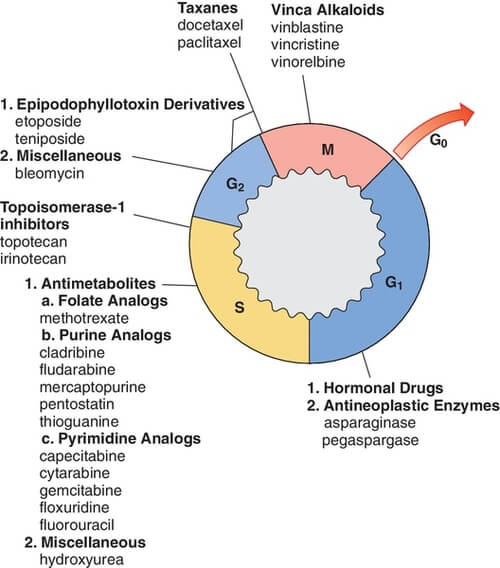
Stages of Cell Cycle Interphase Mnemonic: Go Sally Go! Make Children 1. G1 phase 2. S phase 3. G2 phase 4. Mitosis 5. Cytokinesis 1. G1 (Gap 1) phase: Early and late phase divided by Restriction (R) point Functions: Preparation for DNA replication (synthesis of replication proteins cyclin D) Thymidine…

Read More
PGMEE, MRCS, USMLE, MBBS, MD/MS

Atropine Induced Paradoxical Bradycardia

Jan 5, 2022Jan 5, 2022

Atropine induced paradoxical bradycardia is the sinus bradyarrhythmia following low-dose atropine resulting from the paradoxical slowing in the sinoatrial (SA) node discharge rate. Mechanism of Atropine Induced Paradoxical Bradycardia Central vagotonic effect (blocking M1 acetylcholine receptors in parasympathetic ganglion controlling SA node) of atropine which, at higher doses, is masked…

Read More

Leave a Reply Cancel reply

Your email address will not be published. Required fields are marked *

This site uses Akismet to reduce spam. Learn how your comment data is processed.

Pre-clinical (Basic Sciences)

Anatomy

Biochemistry

Community medicine (PSM)

Embryology

Microbiology

Pathology

Pharmacology

Physiology

Clinical Sciences

Anesthesia

Dermatology

Emergency medicine

Forensic

Internal medicine

Gynecology & Obstetrics

Oncology

Ophthalmology

Orthopedics

Otorhinolaryngology (ENT)

Pediatrics

Psychiatry

Radiology

Surgery

RSS Ask Epomedicine

  • What to study for Clinical examination in Orthopedics?
  • What is the mechanism of AVNRT?

Epomedicine weekly

  • About Epomedicine
  • Contact Us
  • Author Guidelines
  • Submit Article
  • Editorial Board
  • USMLE
  • MRCS
  • Thesis
©2026 Epomedicine | WordPress Theme by SuperbThemes