Skip to content
Epomedicine

Mnemonics, Simplified Concepts & Thoughts

Epomedicine

Mnemonics, Simplified Concepts & Thoughts

Friedreich’s Ataxia : Mnemonic

Epomedicine, Oct 21, 2022Oct 21, 2022

Friedreich’s ataxia is a hereditary spinocerebellar degenerative disorder named after German neurologist, Professor Nicholaus Friedreich.
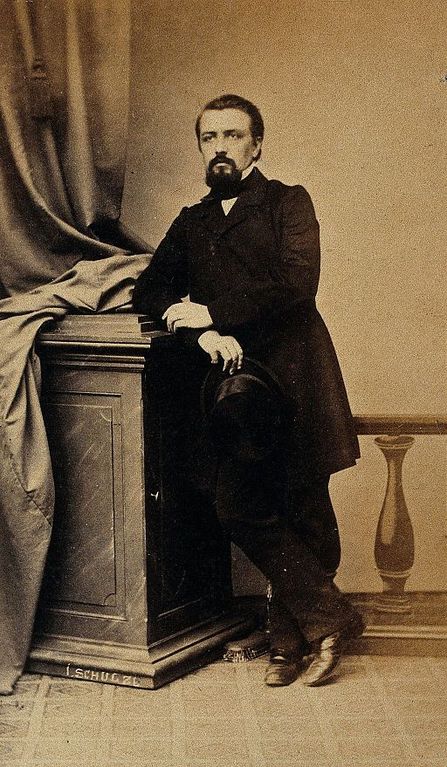
Nicholaus Friedreich
Unknown author, CC BY 4.0, via Wikimedia Commons

Mnemonic: FRIEDREICH’S Ataxia

1. Foot deformity (progressive cavo-varus), Frataxin expression reduced

2. Recessive (autosomal), Repeat of trinucleotide GAA (chromosome 9)

3. Iron accumulation in mitochondria

4. Extensor plantar response

5. Dysarthria (within 5 years of onset), Dorsal column involvement, Diabetes mellitus

6. Reflexes (DTR) absent

7. Early onset (within 25 years of age)

8. Incoordination

9. Cerebellar and Corticospinal tract involvement

10. Hypertrophic cardiomyopathy

11. Scoliosis

12. Ataxia (progressive)
  • Facebook
  • Twitter
PGMEE, MRCS, USMLE, MBBS, MD/MS Internal medicinePediatrics

Post navigation

Previous post
Next post

Related Posts

Applied Anatomy of Tympanic Membrane

Nov 16, 2013May 11, 2024

Synonyms: Ear drum, Myringa Definition: Tympanic membrane is a thin membrane that separates the external ear from the middle ear. Anatomy: Site: Located at medial end of the external auditory canal, separating it from the middle ear cavity Position: At an angle of 55° to the horizontal to the floor…

Read More
PGMEE, MRCS, USMLE, MBBS, MD/MS

Foot Drop : Differentials

Jun 8, 2023Jun 8, 2023

Foot drop can result from: L5 radiculopathy Lumbar plexopathy Sciatic neuropathy Peroneal neuropathy Causes Disc herniation, Spinal canal stenosis Pelvic surgery, hematoma, prolonged labor Hip surgery, Injection injury Compression/trauma Motor Weakness includes muscles and hip abductors Weakness includes hip abductors and anal sphincter Weakness includes tibial and hamstring muscles Weakness…

Read More
PGMEE, MRCS, USMLE, MBBS, MD/MS medulla drawing

How to draw Medulla Oblongata Cross-section ?

Jul 24, 2016Jul 24, 2016

Like in Midbrain and Pons: Corticospinal tract passes ventrally Ventricular system is located dorsally in midline Cranial nerve nuclei are located just anterior to the ventricle Medial longitudinal fasciculus is present around the center Another important thing to remember is that, the caudal medulla resembles “spinal cord“: Circular in shape…

Read More

Comment

  1. Amna says:
    Oct 12, 2023 at 1:14 pm

    Very informative and easiest for memorization

    Reply

Leave a Reply Cancel reply

Your email address will not be published. Required fields are marked *

This site uses Akismet to reduce spam. Learn how your comment data is processed.

Pre-clinical (Basic Sciences)

Anatomy

Biochemistry

Community medicine (PSM)

Embryology

Microbiology

Pathology

Pharmacology

Physiology

Clinical Sciences

Anesthesia

Dermatology

Emergency medicine

Forensic

Internal medicine

Gynecology & Obstetrics

Oncology

Ophthalmology

Orthopedics

Otorhinolaryngology (ENT)

Pediatrics

Psychiatry

Radiology

Surgery

RSS Ask Epomedicine

  • What to study for Clinical examination in Orthopedics?
  • What is the mechanism of AVNRT?

Epomedicine weekly

  • About Epomedicine
  • Contact Us
  • Author Guidelines
  • Submit Article
  • Editorial Board
  • USMLE
  • MRCS
  • Thesis
©2026 Epomedicine | WordPress Theme by SuperbThemes