Skip to content
Epomedicine

Mnemonics, Simplified Concepts & Thoughts

Epomedicine

Mnemonics, Simplified Concepts & Thoughts

Edward Syndrome : Mnemonic

Epomedicine, Sep 16, 2022Jul 23, 2024
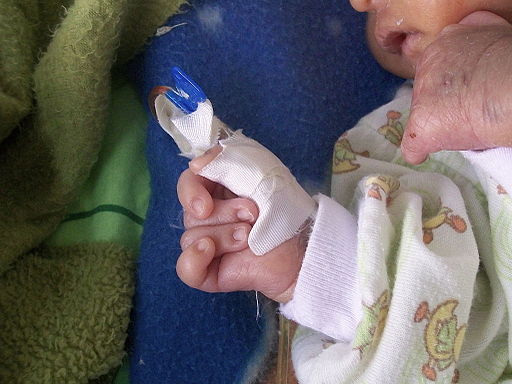
edward syndrome
Bobjgalindo, CC BY-SA 4.0, via Wikimedia Commons

Mnemonic: EDWARDS

1. Eighteen trisomy, Elongated skull

2. Digit overlapping with clenched fist

3. Webbing of 2nd and 3rd toes

4. Absent radii, Arthrogryposis

5. Rocker-bottom feet

6. Dysplastic ears, Disability (intellectual), Diseased heart (VSD)

7. Small lower jaw
  • Facebook
  • Twitter
PGMEE, MRCS, USMLE, MBBS, MD/MS Pediatrics

Post navigation

Previous post
Next post

Related Posts

PGMEE, MRCS, USMLE, MBBS, MD/MS

Organ Transplant Complications and Rejection

Aug 20, 2023Aug 20, 2023

Types of Transplant Rejection Type Time Mechanism Pathology Hypersensitivity Management Host against Graft (Host vs Graft) Mnemonic: TIA Hyperacute Immediate (<5 days) Anti-donor antibodies in recipient Thrombosis and Obliteration of blood supply Type II UntreatablePrevent by cross-matchingRemove graft Acute (most common) < 6 months (most common in 1st month) Anti-donor…

Read More
PGMEE, MRCS, USMLE, MBBS, MD/MS PPV NPV baye

Baye’s theorem derived PPV and NPV

May 28, 2019Oct 26, 2022

Let’s unveil the mathematics behind the relation between: Prevalence (Pre-test probability) Predictive value (Post-test probability) Sensitivity Specificity SYMBOLS: Total screened population = nPrevalence = PSensitivity = SnSpecificity = SpTrue positive = TPTrue negative = TNFalse positive = FPFalse negative = FNWith disease = D+Without disease = D-Positive predictive value =…

Read More
PGMEE, MRCS, USMLE, MBBS, MD/MS schatzker classification

Schatzker classification for Tibial plateau fracture : Mnemonic

Apr 15, 2020Aug 18, 2021

Schatzker system is widely accepted and used to classify tibial plateau fractures. It is based on a 2D representation of the fracture. As a general rule, it can be divided into low-energy and lateral tibial plateau variants (types I-III) and high energy variants (type IV-VI). However, it does not include…

Read More

Comment

  1. Kelvin says:
    Sep 17, 2022 at 9:24 am

    Thank you thank you and thank you. God bless you 🙏🙏🙏🙏🙏

    Reply

Leave a Reply Cancel reply

Your email address will not be published. Required fields are marked *

This site uses Akismet to reduce spam. Learn how your comment data is processed.

Pre-clinical (Basic Sciences)

Anatomy

Biochemistry

Community medicine (PSM)

Embryology

Microbiology

Pathology

Pharmacology

Physiology

Clinical Sciences

Anesthesia

Dermatology

Emergency medicine

Forensic

Internal medicine

Gynecology & Obstetrics

Oncology

Ophthalmology

Orthopedics

Otorhinolaryngology (ENT)

Pediatrics

Psychiatry

Radiology

Surgery

RSS Ask Epomedicine

  • What to study for Clinical examination in Orthopedics?
  • What is the mechanism of AVNRT?

Epomedicine weekly

  • About Epomedicine
  • Contact Us
  • Author Guidelines
  • Submit Article
  • Editorial Board
  • USMLE
  • MRCS
  • Thesis
©2026 Epomedicine | WordPress Theme by SuperbThemes