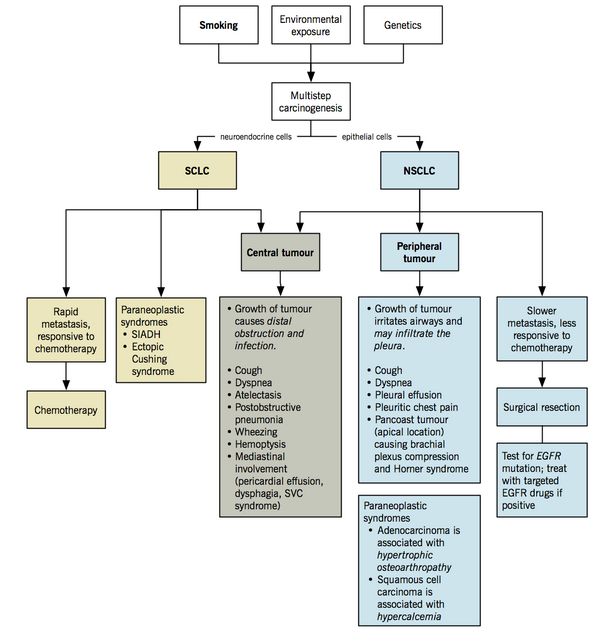
INCIDENCE Male > Female Age group: 50-75 years Second highest cancer in both sexes after prostate (male) and breast (female) Smokers > Non-smokers ETIOLOGY OF LUNG CANCER A. Cigarette smoking: Smoking is the single most important risk factor for lung cancer, which can cause all types of lung cancer but…
Category: PGMEE, MRCS, USMLE, MBBS, MD/MS
Medical knowledge in bullet points with understandable language, simplified images and graspable mnemonics.
PGMEE, MRCS, USMLE, MBBS, MD/MS
Inheritance of Disease – Mnemonics
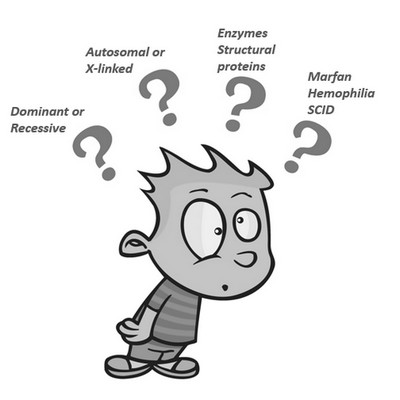
Lets work with some generalizations 1. X-linked dominant, mitochondrial and Y-linked conditions are rare. You need to remember them. 2. Usually inherited in autosomal dominant pattern are: Mostly mutations in non-enzymatic structural proteins (e.g. collagen, fibrillin, cytoskeletal proteins of RBC) or in membrane receptors (e.g. LDL receptor) Diseases due to diminished…
PGMEE, MRCS, USMLE, MBBS, MD/MS
Polymerase Chain Reaction (PCR) Made Easy
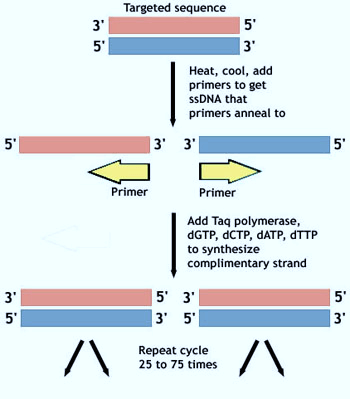
What is Polymerase Chain Reaction ? It is a process of artificial DNA replication (amplification of a selected part of DNA). As the name suggests: Polymerase: It requires DNA polymerase for extending the added primers to complete DNA replication. Chain Reaction: PCR is run in cycles. The number of molecules…
PGMEE, MRCS, USMLE, MBBS, MD/MS
Leukocyte Adhesion Cascade and Defect : Simplified
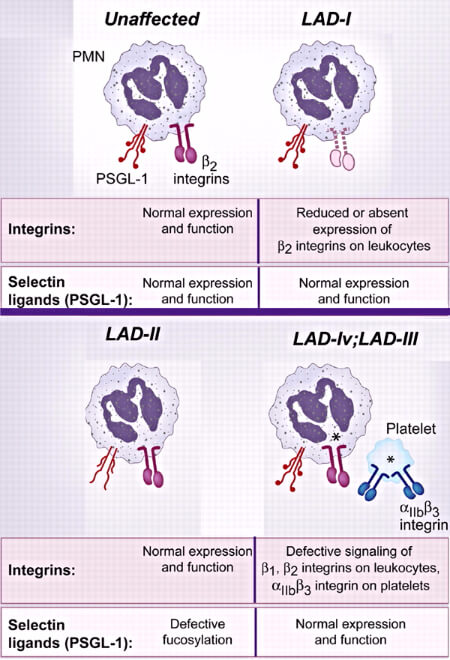
Capture or Tethering Increased vascular permeability and vasodilation are mediated by inflammatory mediators like histamine released by inflammatory cells in response to PAMPs expressed by pathogens. Hemoconcentration (owing to increased vascular permeability) and decreased velocity of blood flow (owing to vasodilation) leads to peripheral pooling of the leukocytes (i.e. towards…
PGMEE, MRCS, USMLE, MBBS, MD/MS
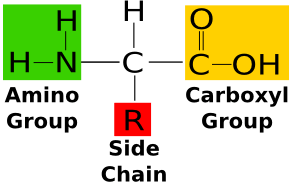
Amino Acids Mnemonics
What are amino acids ? Amino acids are molecules containing: An amine group A carboxylic acid group A side chain that varies between different amino acids Assign the names of these amino acids to 20 different alphabets The technique that you are going to use to remember all these are given…
PGMEE, MRCS, USMLE, MBBS, MD/MS
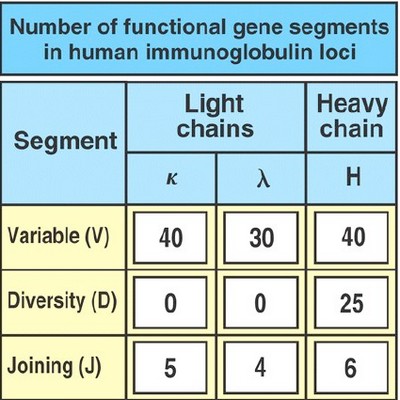
VDJ (Somatic) Recombination Made Easy
Many students feel that, this is one of the most difficult to explain topic in Immunology. Here, we will try to explain the process and clinical relevance of V(D)J or Somatic recombination in simple and interactive way. Question your mind Humans only have about 25,000 genes. Since, an antibody made…
PGMEE, MRCS, USMLE, MBBS, MD/MS
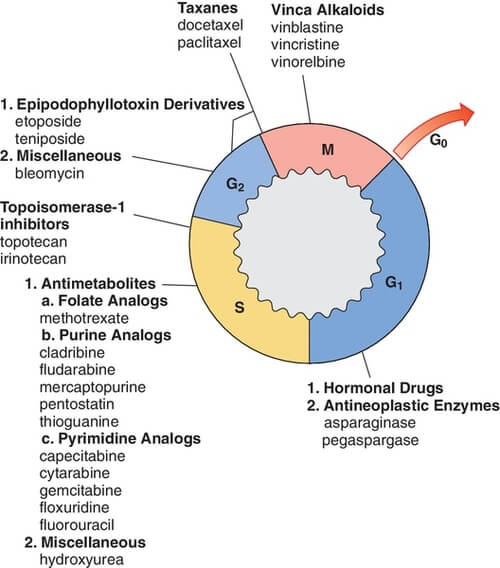
Cell Cycle Made Easy
Stages of Cell Cycle Interphase Mnemonic: Go Sally Go! Make Children 1. G1 phase 2. S phase 3. G2 phase 4. Mitosis 5. Cytokinesis 1. G1 (Gap 1) phase: Early and late phase divided by Restriction (R) point Functions: Preparation for DNA replication (synthesis of replication proteins cyclin D) Thymidine…
PGMEE, MRCS, USMLE, MBBS, MD/MS

Apoptosis Made Easy
Definition of Apoptosis Apoptosis is: Origin of the word “apoptosis”: Caspases – Central Regulators of Apoptosis Caspases = Cysteine Aspartate Specific Proteases 2 types of caspases: Initiator caspases: Executioner caspases: 3 Pathways of Caspase Activation 1. Activation of Initiator of Extrinsic Pathway Receptor-ligand interaction mediated: Can mediate intrinsic (mitochondrial) pathway…