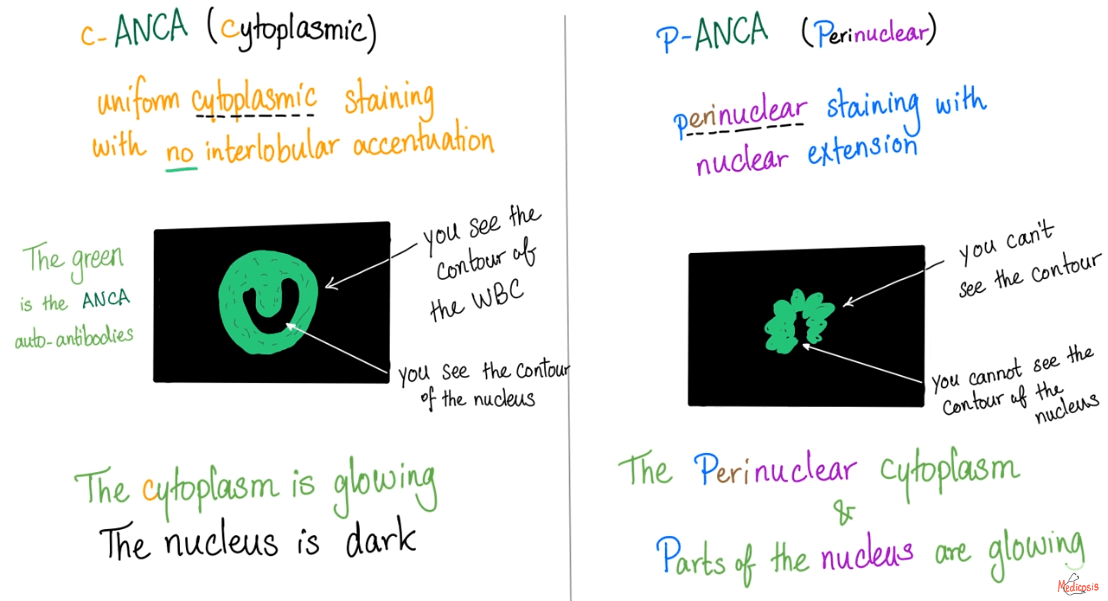
ANCA = Anti-Neutrophil Cytoplasmic Antibodies Types Mnemonics: 1. “P” is not going with “P”2. p-ANCA is positively charged and hence, attacks negatively charged MPO (free radicals)3. c-ANCA (C is 3rd letter) attacks PR-3 ANCA positive conditions 1. c-ANCA: Mnemonic: Common Wealth Games 2. p-ANCA: Most of other conditions are p-ANCA…
Category: PGMEE, MRCS, USMLE, MBBS, MD/MS
Medical knowledge in bullet points with understandable language, simplified images and graspable mnemonics.
PGMEE, MRCS, USMLE, MBBS, MD/MS
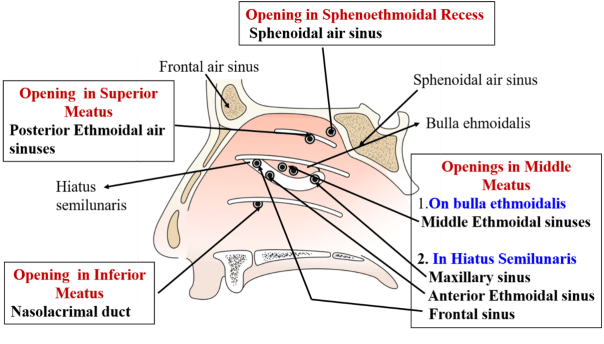
Paranasal sinus drainage in Nasal cavity : Mnemonic
Lateral wall of nasal cavity has: Mnemonic: SPIN 1. Superior meatus: Posterior ethmoidal sinus 2. Inferior meatus: Nasolacrimal duct The sphenoidal sinus drains into spheno-ethmoidal recess (superior to superior concha). All others drain into middle meatus: Mnemonic: AM/FM
PGMEE, MRCS, USMLE, MBBS, MD/MS
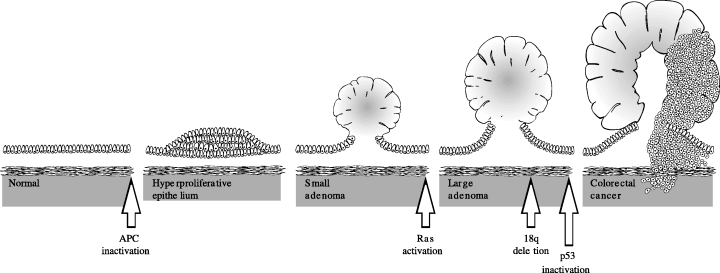
Adenoma-Carcinoma Sequence in Colorectal Cancer : Mnemonic
Adenoma-carcinoma sequence is a stepwise development of normal epithelium to carcinoma due to accumulation of mutations over a number of years leading to activation of oncogenes and loss of tumor suppressor genes. One of the pathways follows adenoma–carcinoma sequence, that is, normal → adenoma → carcinoma. The other is pertaining…
PGMEE, MRCS, USMLE, MBBS, MD/MS
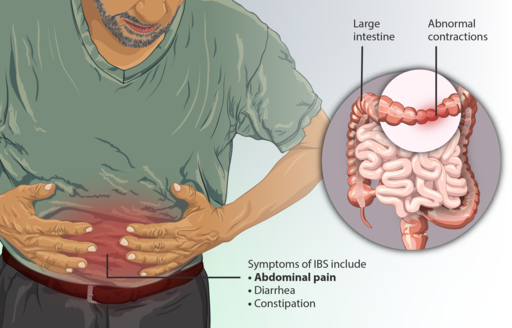
Irritable Bowel Syndrome (IBS) : Mnemonic Approach
Rome IV Criteria for IBS Mnemonic: 1, 2, 3 Recurrent abdominal pain on average: Criteria fulfilled for the last 3 months with symptom onset at least 6 months prior to diagnosis Alarm findings (Red flags) Mnemonic: ALARMING Additional diagnostic testing Mnemonic: Rule out 4 “C” 1. Carcinoma 2. Celiac disease…
PGMEE, MRCS, USMLE, MBBS, MD/MS
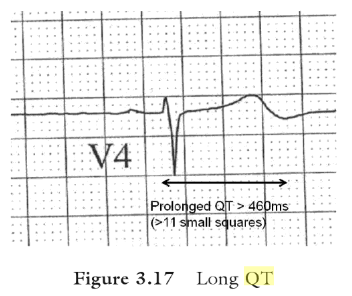
Prolonged QT Interval : Mnemonics
Normal QT Interval Duration: 0.3-0.44 s (0.46 s for women); tends to increase as the heart rate decreases Bazett’s formula for corrected QT interval (QTc): QTc = QT/ √RR Prolonged QT Interval Duration: >0.44 s (men) and >0.46 s (women) Can lead to: Polymorphic VT (Torsades de pointes) Causes: Mnemonic:…
PGMEE, MRCS, USMLE, MBBS, MD/MS
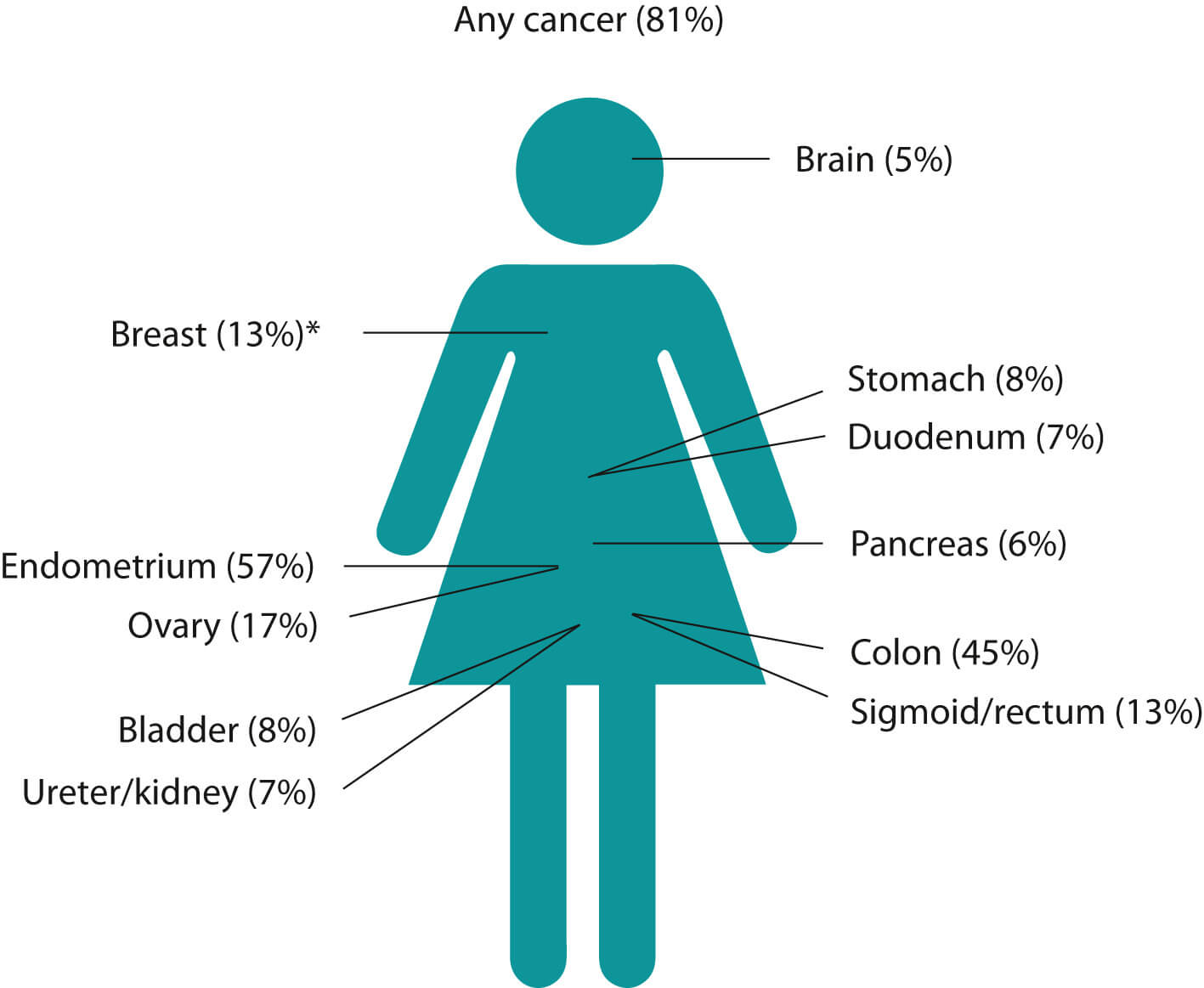
Lynch Syndrome (HNPCC) : Mnemonics
Inheritance: Autosomal Dominant (AD) Cause: Microsatellite instability (MLH1, MSH2 mismatch repair gene mutation) Types: Amsterdam II Criteria for Diagnosis Mnemonic: 3-2-1-0 rule Colorectal cancers: More likely to be mucinous and right-sided Treatment: Total colectomy with ilio-rectal anastomosis Annual screening: Age 25 onwards or beginning no later than 5 years before…
PGMEE, MRCS, USMLE, MBBS, MD/MS
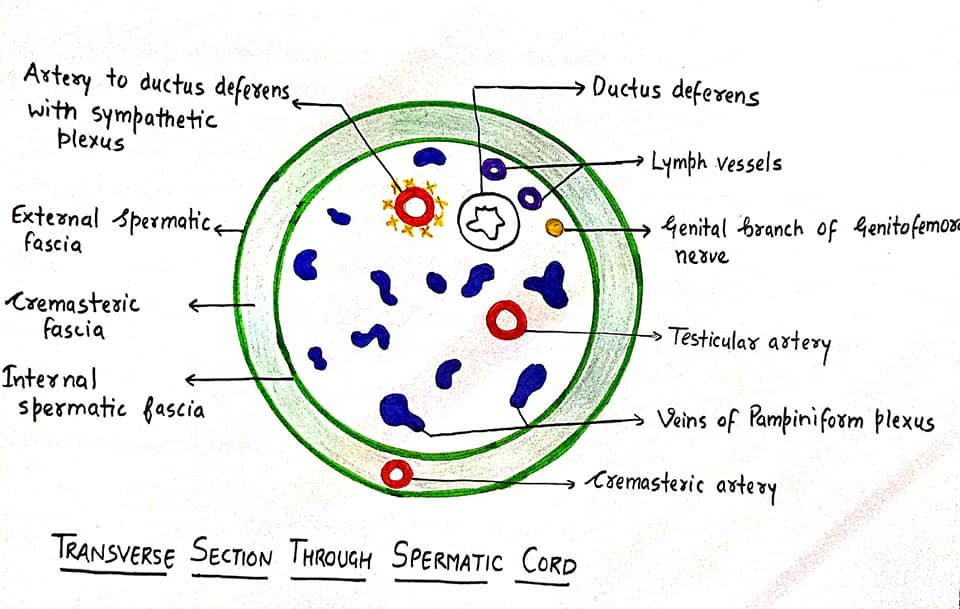
Spermatic Cord : Mnemonics
Spermatic cord enters the inguinal canal through the deep inguinal ring and passes out through the superficial inguinal ring. 3 Coverings Mnemonic: ICE TIE Layer Origin Internal spermatic fascia Transversalis fascia Cremasteric fascia Internal oblique External spermatic fascia External oblique aponeurosis Contents 1. 3 Arteries: Mnemonic: ABCD Arteries – 2….
PGMEE, MRCS, USMLE, MBBS, MD/MS
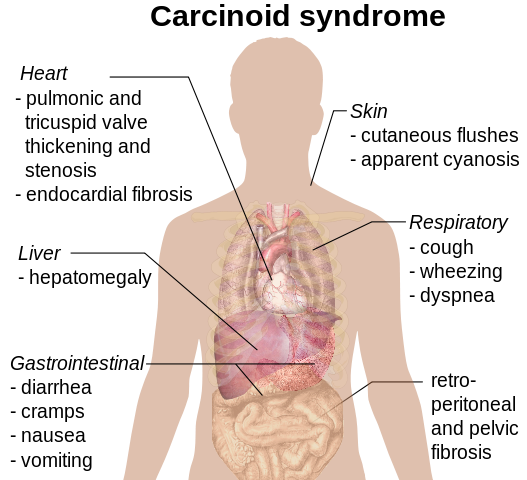
Carcinoid Tumors : Mnemonic
Origin: Neuroendocrine cells Location: Lungs, Bronchi, Trachea, Gastrointestinal tract Synthesize: Biogenic amines (mainly serotonin which is metabolied to 5-HIAA) 5 Manifestations Mnemonic: 5-HIAAS 1. Heart disease (2/3 patients) 2. Intestinal manifestations 3. Airway obstruction 4. Asthma 5. Skin manifestations Alternative mnemonic: CARCinoid Rule of 1/3 Surgery for appendiceal carcinoid tumor…