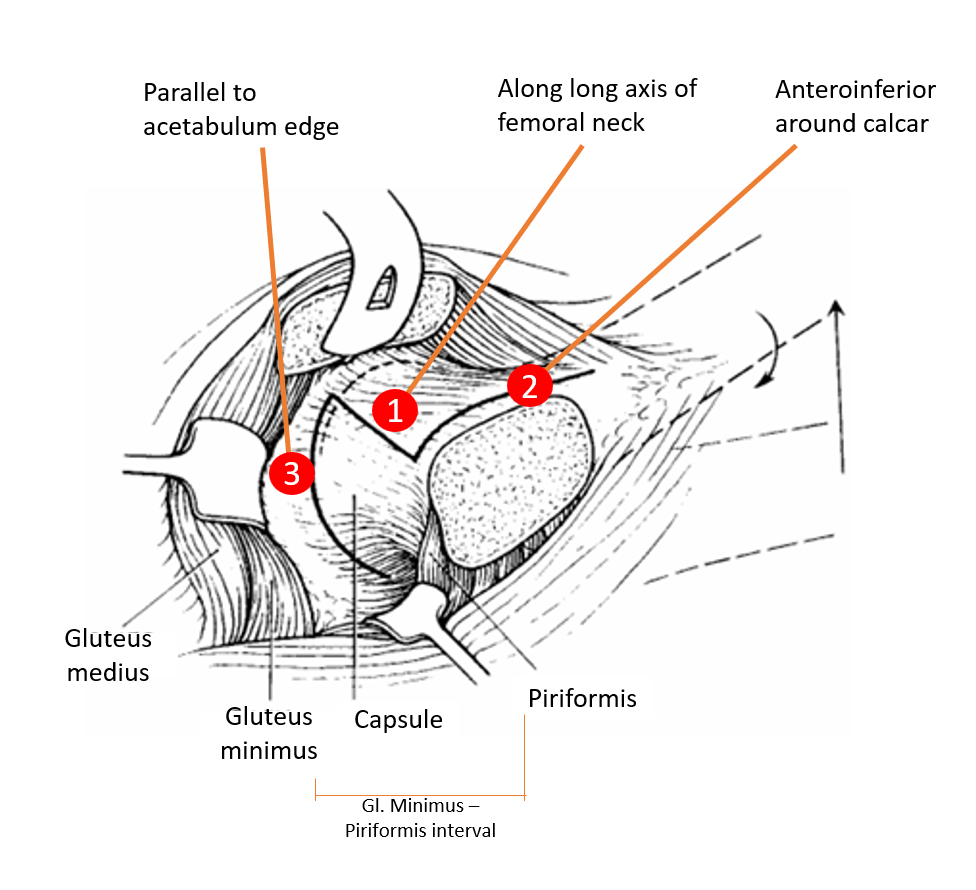
Surgical Principles Relevant Course of MFCA Surgical Technique 1. Position: Lateral decubitus 2. Incision and approach: Traditional Kocher-Langebeck (KL) approach or Gibson interval (more anterior interval with posterior retraction of gluteus maximus muscle without violating it) 3. Trochanteric (Digastric slide) osteotomy: 4. Exposure: 5. Z-shaped Capsulotomy: 6. Hip Dislocation: 7….
Author: Dr. Sulabh Kumar Shrestha, MS Orthopedics
He is the section editor of Orthopedics in Epomedicine. He searches for and share simpler ways to make complicated medical topics simple. He also loves writing poetry, listening and playing music. He is currently pursuing Fellowship in Hip, Pelvi-acetabulum and Arthroplasty at B&B Hospital.
Surgical Skills
Direct Lateral Approach to Radial Shaft
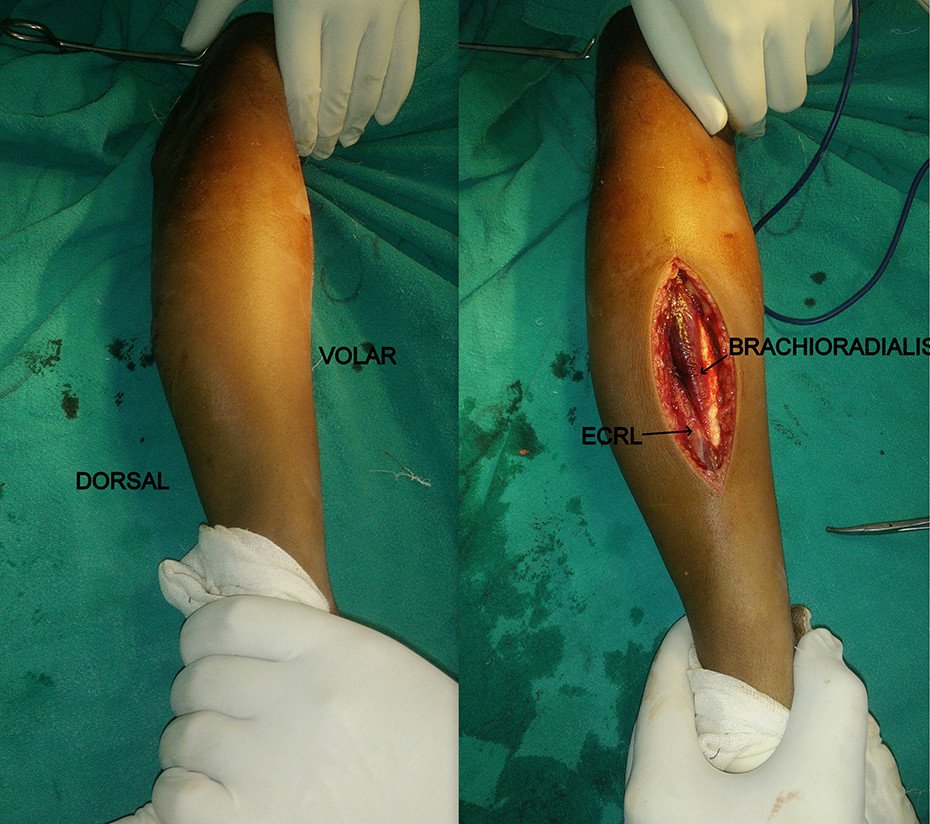
Position: Elbow flexed 90 degree and forearm in mid-prone Landmarks: Skin incision: Centered over fracture in a straight imaginary line joining lateral epicondyle of humerus and tip of radial styloid Superficial dissection: Subcutaneous tissue and deep fascia are incised along the line of skin incision Deep dissection: Interval is developed…
PGMEE, MRCS, USMLE, MBBS, MD/MS
Morel Lavallee Lesion
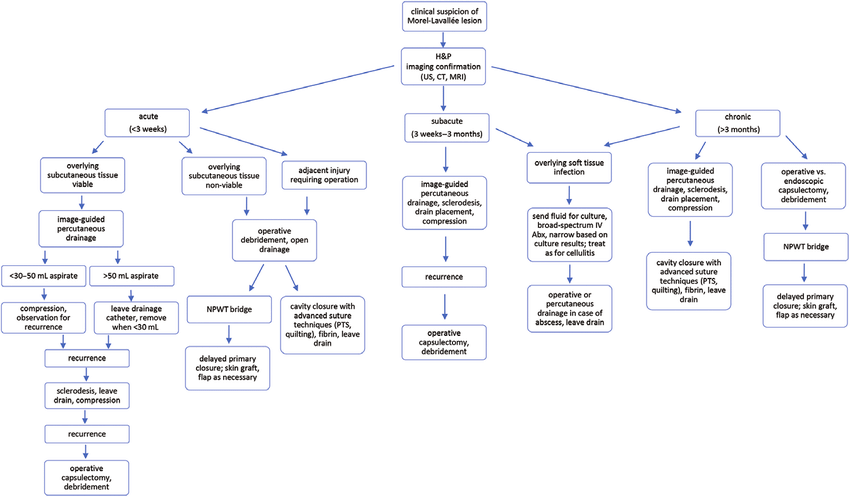
Definition: Post-traumatic closed degloving injury, in which the skin and subcutaneous tissue is detached from the underlying fascia by a shearing force which can disrupt perforating vessels and nerves, creating a potential space that fills with blood, lymph, debris and fat (necrotic and/or viable). Clinical features: The diagnosis can be…
Surgical Skills
Intramedullary Nail Dynamization
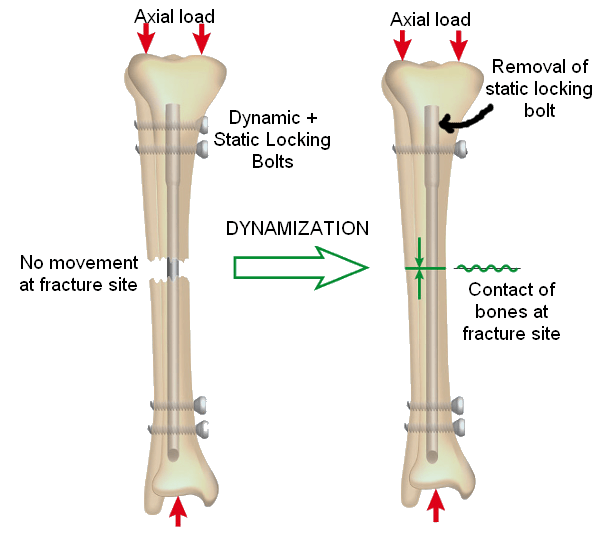
Dynamization of intramedullary nail is the process of converting a static interlocking nail (provides better fixation & rotational control) to a dynamic locking nail (allows axial loading of fracture to stimulate bone healing). Dynamization converts a bridging mode of fixation to the splinting mode. Timing of Dynamization: Dynamization should be…
PGMEE, MRCS, USMLE, MBBS, MD/MS
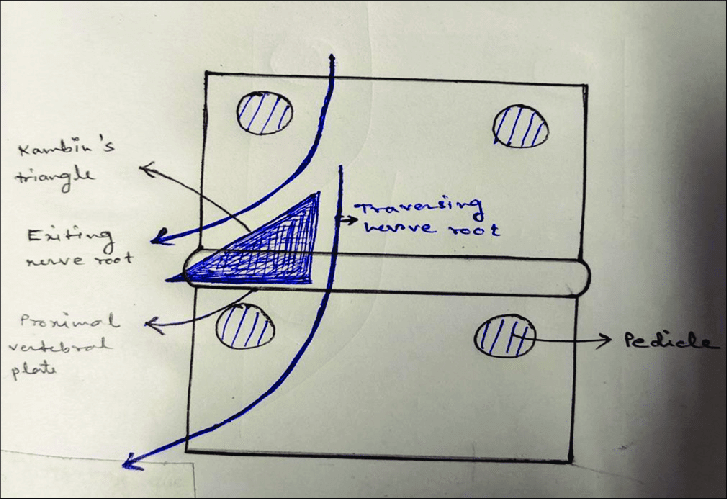
Kambin’s Triangle or Prism
There is confusion regarding the borders of Kambin’s triangle across the literature. Kambin originally described the borders of this triangular working zone as: Though it was named as a “triangle” it was described with 4 borders with 2 triangles (in AP view and Lateral view) which gives a 3D structure…
PGMEE, MRCS, USMLE, MBBS, MD/MS
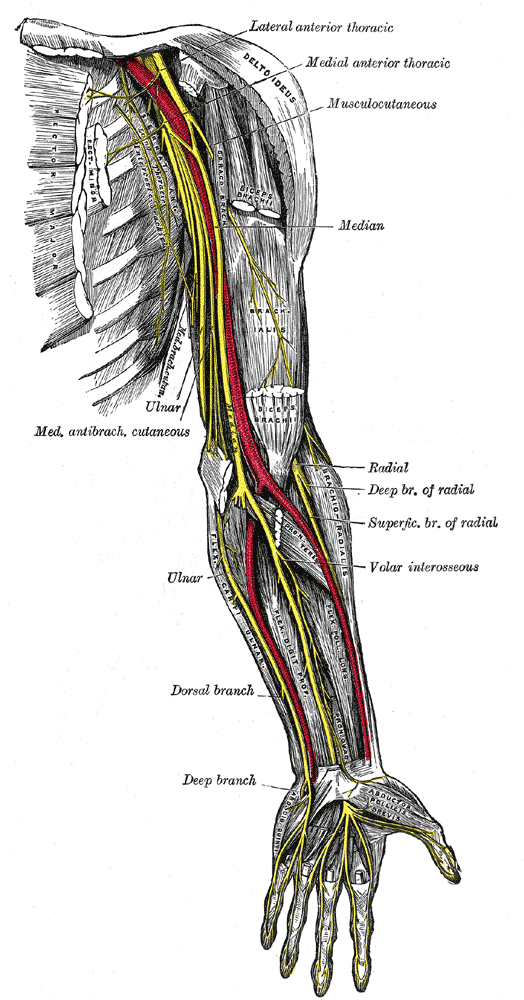
Lateral and Medial Pectoral Nerve : Mnemonic
Mnemonics a. Lateral is Less and Medial is More. b. Major receives 2 innervations and Minor receives 1 innervation. Hence, Lateral pectoral nerve passes through and supplies Pectoralis major. Medial pectoral nerve passes through and supplies Pectoralis major and minor. The lateral pectoral nerve and the medial pectoral nerve form…
PGMEE, MRCS, USMLE, MBBS, MD/MS
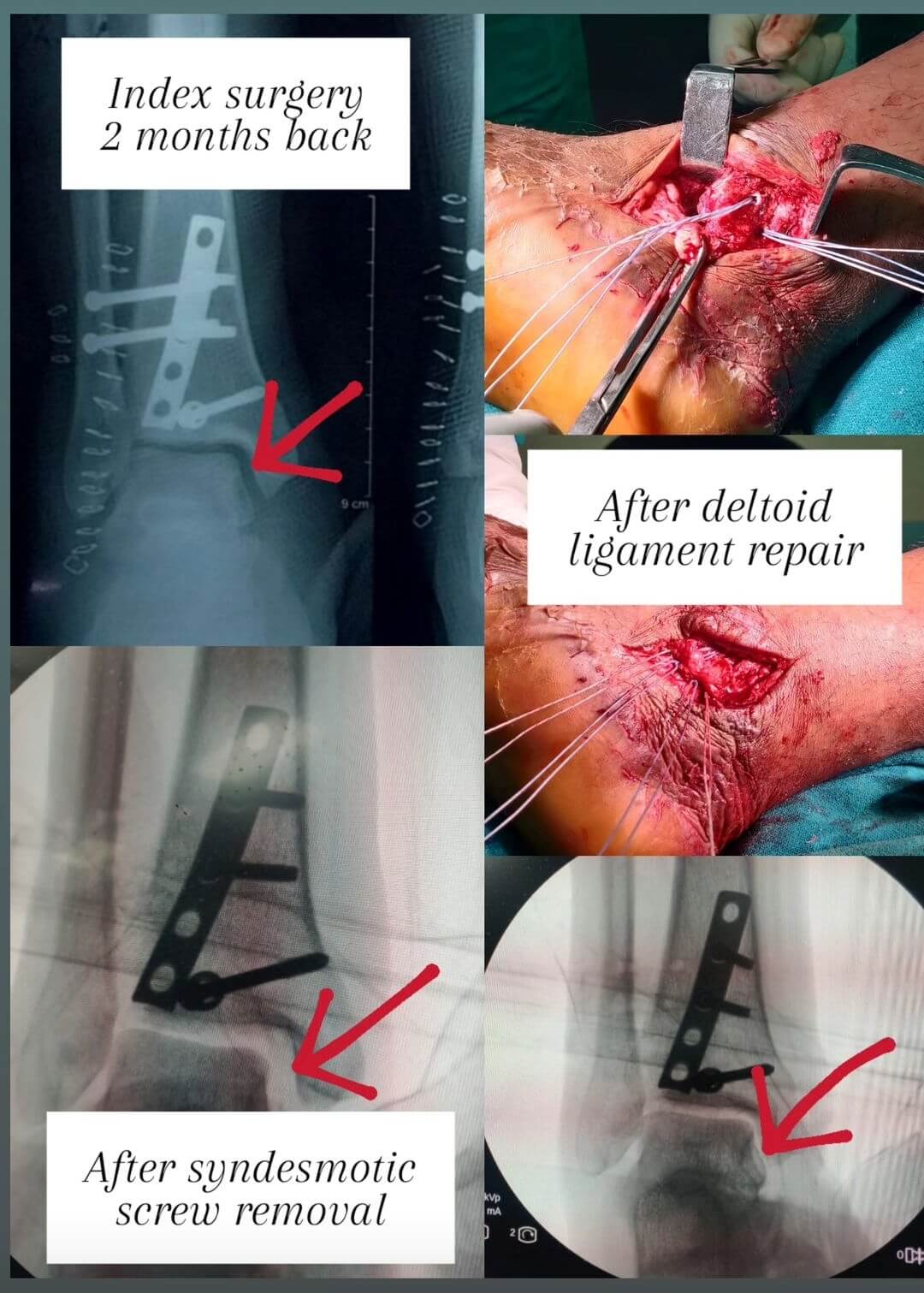
Deltoid Ligament : Anatomy, Clinical tests and Acute Injury
Deltoid ligament is the complex of medial collateral ligaments of the ankle joint. 2 layers of Deltoid Ligament a. Superficial layer: Originates from anterior and inferior aspects of medial malleolus fanning out & sending 3 bands to – b. Deep layer: Originates on posterior border of anterior colliculus, intercollicular groove…
PGMEE, MRCS, USMLE, MBBS, MD/MS
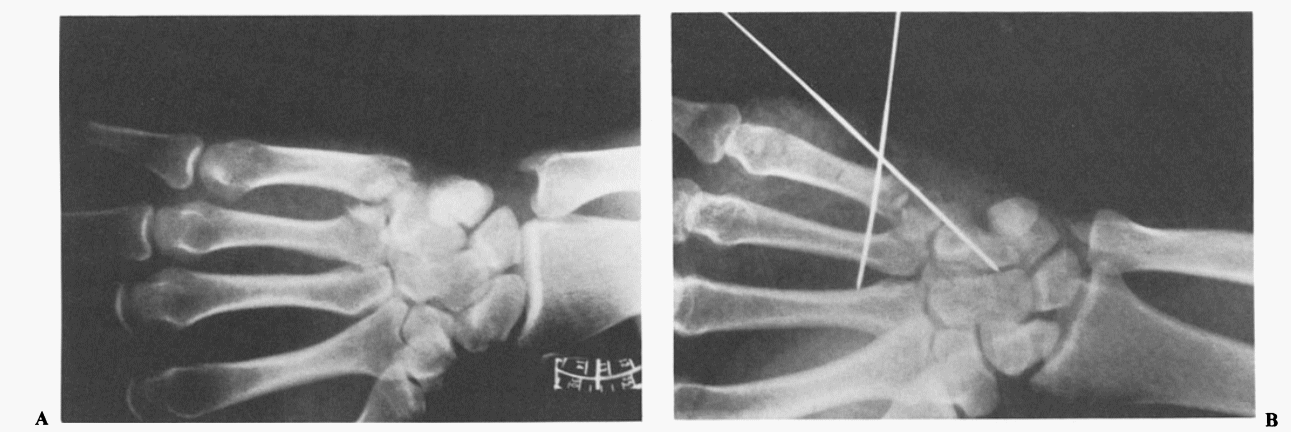
Reverse or Baby or Mirrored Bennett’s Fracture
Definition: The fracture-dislocation at the base of the fifth metacarpal analogous to Bennett’s fracture of the thumb Mechanism of injury: Muscle pull and displacement: Consequences of unreduced fracture-dislocation: Possible associations: X-ray views: Treatment: 1. Closed reduction and internal fixation with K-wires 2. Open reduction and internal fixation with K-wires or…