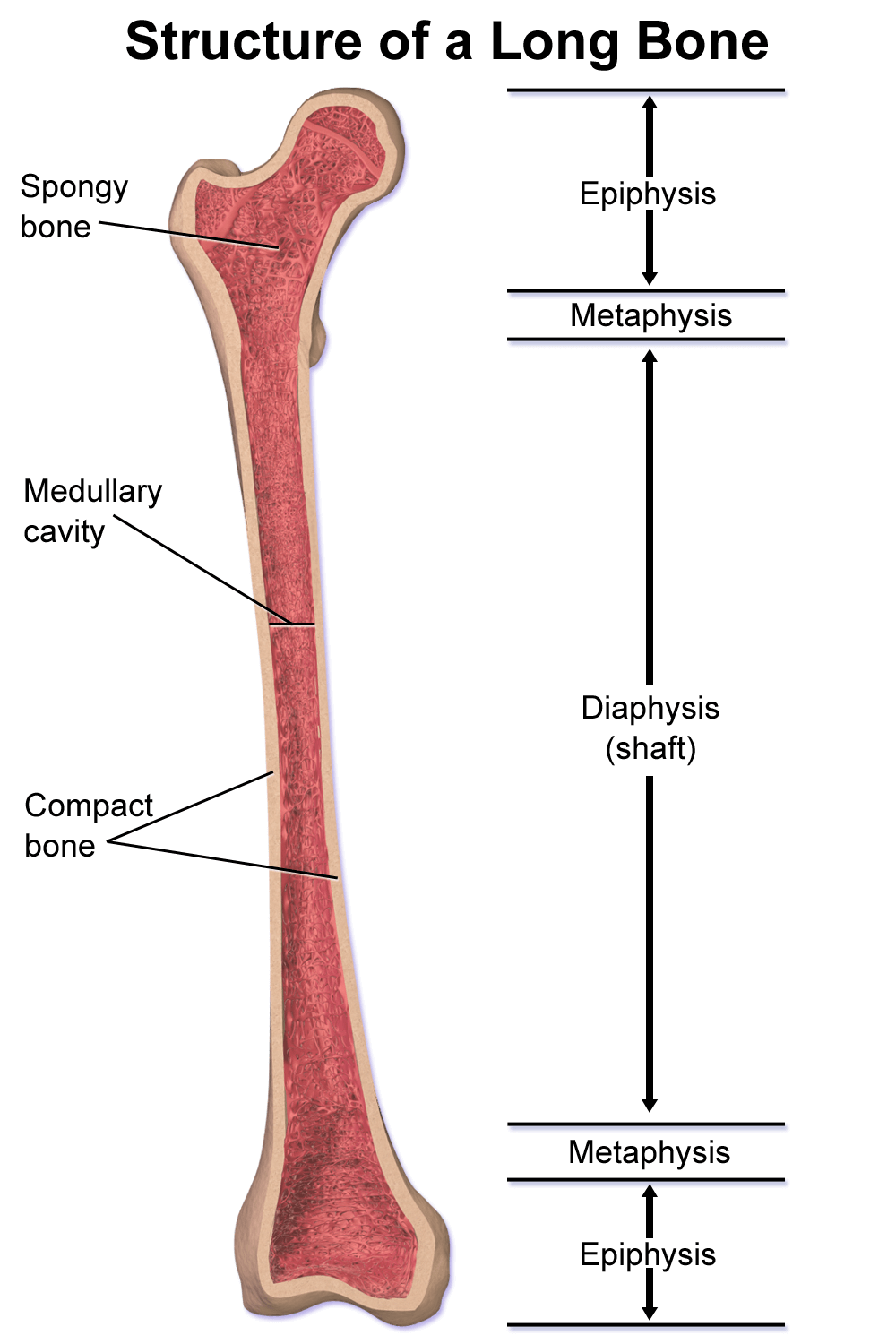
Lesions Age Demographics Site Presentation Imaging Treatment Comments Acute Osteomyelitis Bimodal (<2 years and 8-12 years) M:F = 2:1 Distal femur, Proximal tibia Pain, refusal to bear weight, erythema, warmth, fluctuance, tenderness Lags 2 weeks behindDestruction of bone, periosteal reaction (lamellated, hair on end), new bone formation 1. Antibiotics2. Surgical…
Author: Dr. Sulabh Kumar Shrestha, MS Orthopedics
He is the section editor of Orthopedics in Epomedicine. He searches for and share simpler ways to make complicated medical topics simple. He also loves writing poetry, listening and playing music. He is currently pursuing Fellowship in Hip, Pelvi-acetabulum and Arthroplasty at B&B Hospital.
PGMEE, MRCS, USMLE, MBBS, MD/MS
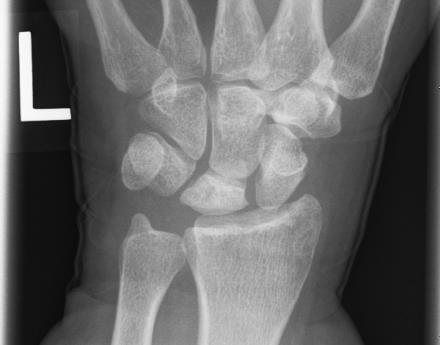
Kienbock’s Disease : Mnemonic Approach
Etiology Mnemonic: RSTUV Lichtman Classification and Management Stage Description Treatment Mnemonic: ABCD Mnemonic: ABCD I Abnormal MRI (decreased T1 intensity; variable T2 intensity) or scintigraphy Analgesics + immobilization II Bone sclerosis ± Bone breaks (fracture lines) Bony procedures:1. Negative or Neutral ulnar variance: Joint levelling procedure (Radius shortening osteotomy; Ulnar…
Surgical Skills
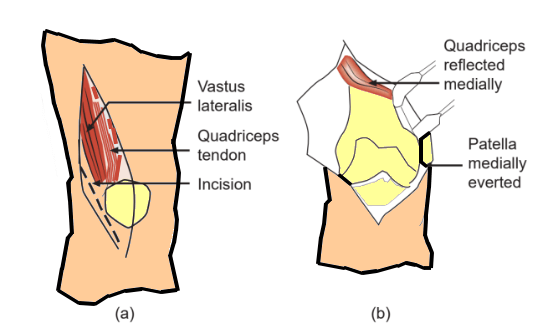
Swashbuckler (Modified Anterolateral) Approach to Distal Femur
Advantages: Patient position: Supine with a roll under the knee to allow knee flexion Tourniquet: Not used unless required Incision: Superficial dissection: 1. Fascia is incised in line of incision & sharply dissected off the vastus lateralis muscle laterally to its inclusion with the iliotibial band, to expose the quadriceps…
Blog
Books to study for Orthopedics Residency
The experience of an orthopedic residency is intense, challenging, but also incredibly rewarding for those passionate about musculoskeletal health and surgery. He/she will be looking at patients in outpatient department, inpatient patients, preparing patients for surgery including fitness, assisting and performing surgeries, preparing and presenting multiple topics, journal clubs and…
PGMEE, MRCS, USMLE, MBBS, MD/MS
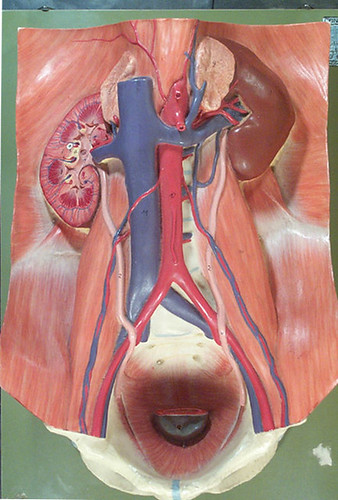
Inferior Venacava (IVC) Tributaries and Abdominal Aorta Branches : Mnemonic
Inferior Venacava (IVC) Tributaries Mnemonic: I Like To Rise So Incredibly High 1. common Iliac veins (L5) – Origin or Formation 2. Lumbar veins (L1-L5) 3. Testicular/gonadal veins – right (L2) 4. Renal veins (L1) 5. Suprarenal veins – right (L1) 6. Inferior phrenic veins (T8) 7. Hepatic veins (T8)…
PGMEE, MRCS, USMLE, MBBS, MD/MS
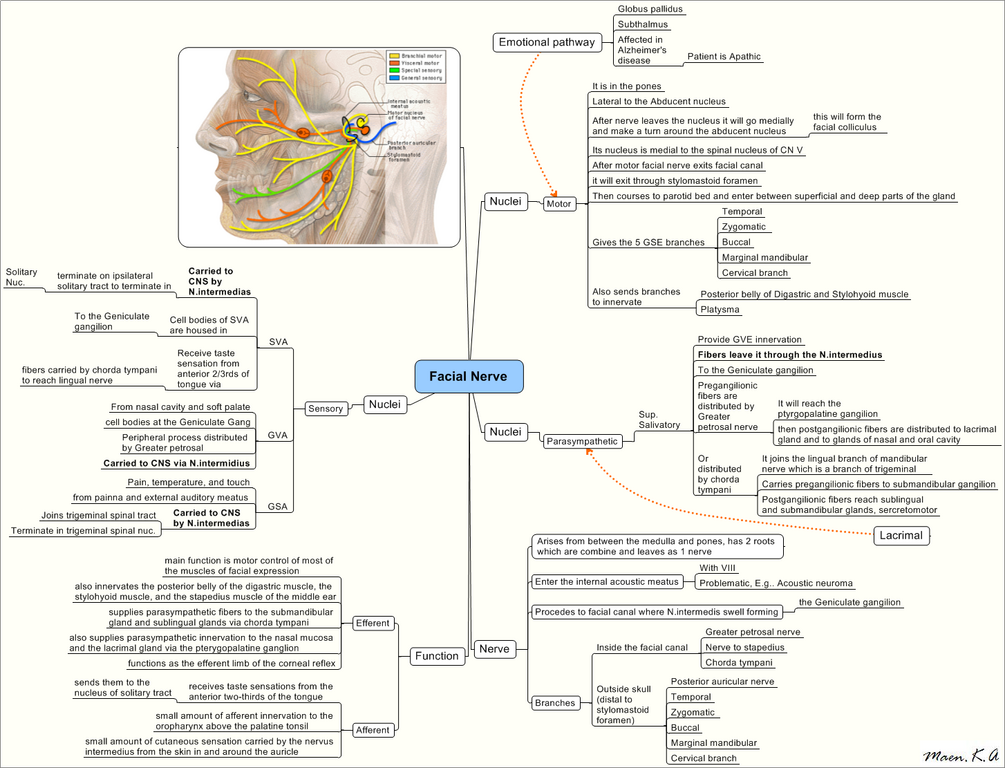
Facial Nerve : Mnemonics
Course Origin: Ponto-medullary junction (Nucleus solitarius, Facial nucleus and Superior salivatory nucleus) Internal acoustic meatus: 7 up, Coke down Facial canal: After exiting skull from stylomastoid foramen: Further reading: Facial nerve lesions 1. Supranuclear lesion: Contralateral lower 1/2 face paralyzed; forehead wrinkling spared (Bilateral cortical innervation) 2. Infranuclear lesion: Entire…
Surgical Skills
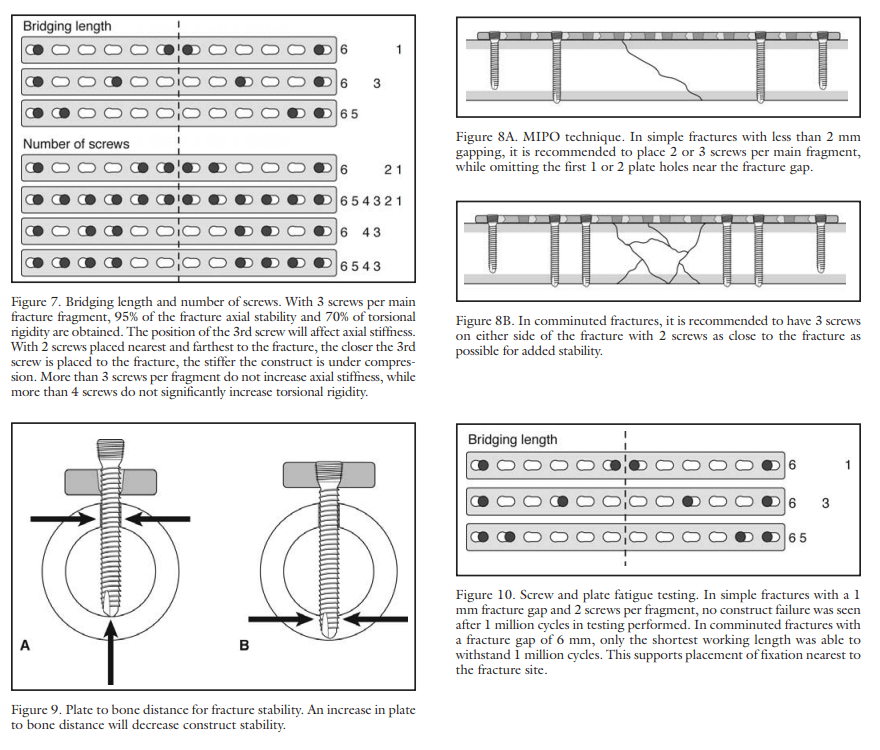
Biomechanics in MIPO (Minimally Invasive Plate Osteosynthesis)
1. Provides optimal environment for fracture healing: 2. Relative stability of fracture: 3. Acts as internal fixator: 4. Plate length and Number of screws in Bridge plate function: 5. Plate working length: References:
Blog
MRCS Part A : Experience
Exam and Results Exam date: September 12, 2023 Result date: October 5, 2023 Attempt: First Background: Recently passed PG in Orthopedics and Trauma from Nepal Maximum possible score overall: 299 (1 question was cancelled) Overall score required to pass: 200 (66.8%) Score obtained: 250 (83.6%) Application Preparation Preparation time: 3…